Walk down the Champs-Élysées on a normal Saturday and you'll dodge tourists taking selfies with macarons. Walk down that exact same boulevard when French authorities lock down the capital and deploy 70,000 police officers across the country, and you're stepping into a completely different city.
It's jarring.
Boarded-up Louis Vuitton storefronts replace glittering window displays. Heavy riot vans block side streets where delivery bikes usually zip past. The Louvre, the Eiffel Tower, and the Musée d'Orsay bolt their doors shut while armored gendarmes stand guard near the Place de la Concorde.
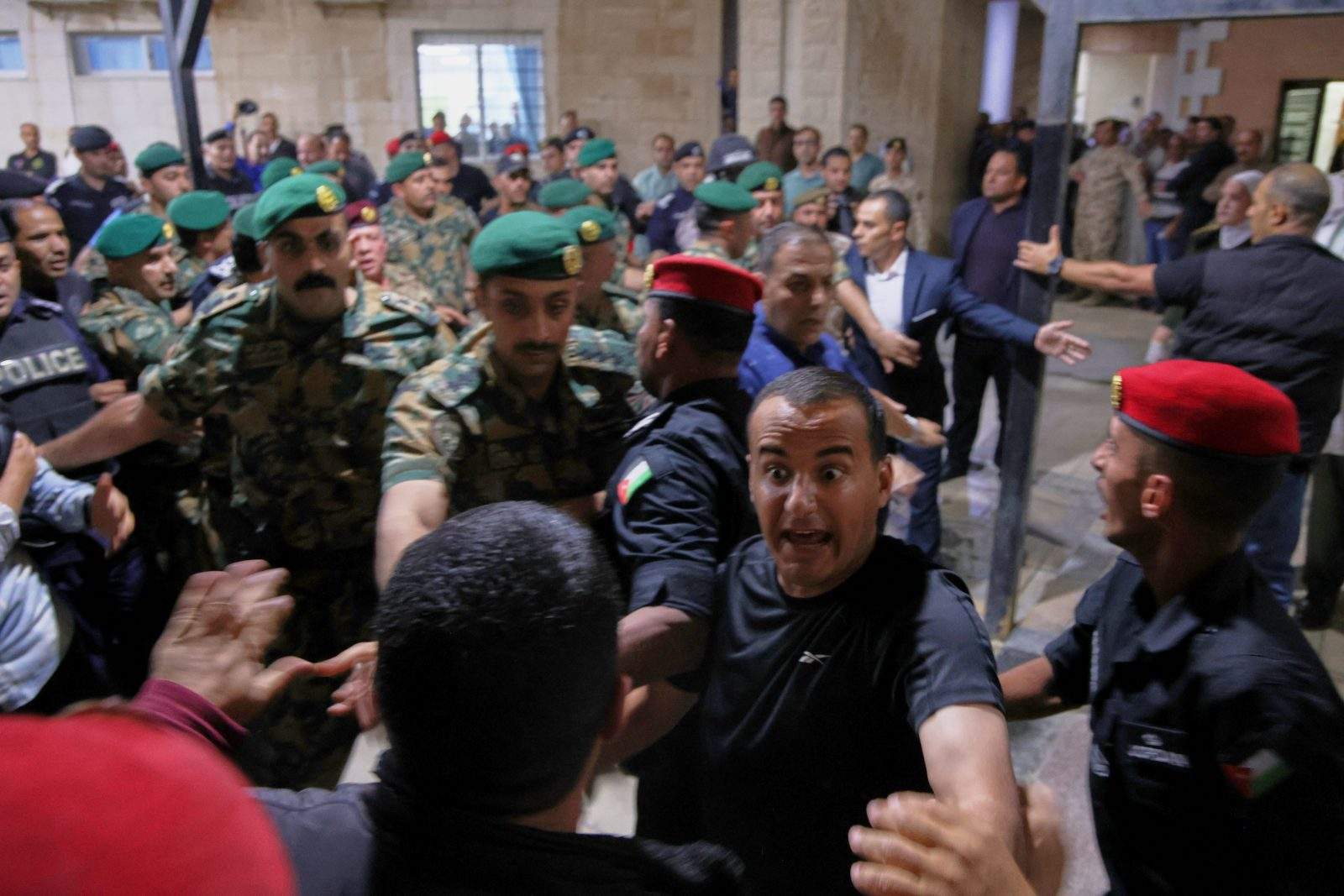
When headlines announce that Paris shuts museums and France deploys 70,000 police officers ahead of protests, casual observers often assume the country is teetering on the edge of total collapse. That's a massive misreading of how French civic life actually operates. Having covered European civil unrest and spent years navigating Paris during major strike waves, I can tell you that a massive security mobilization isn't a sign of panic. It's a calculated, deeply practiced ritual of containment.
Why French Authorities Lock Down Cultural Landmarks
You might wonder why a protest over pension ages, fuel taxes, or labor laws requires closing the Louvre. Monet paintings don't vote on tax policy.
The logic comes down to geography and symbolism. Major Parisian demonstrations almost always follow historic routes cutting straight through the heart of the city—often running from Place de la République to Place de la Nation, or clustering near the National Assembly and the Champs-Élysées. These zones sit right on top of France's most famous cultural institutions.
During the height of the Yellow Vest (Gilets Jaunes) movement in late 2018 and early 2019, radical fringes broke away from peaceful marches and targeted symbols of wealth and state authority. Rioters vandalized the Arc de Triomphe, smashed luxury boutiques, and torched newsstands. That single weekend forced the French Interior Ministry to completely rethink its security doctrine.
Since then, preemptive closures have become standard operating procedure whenever intelligence services detect high risks of casseurs—violent black-bloc anarchists who infiltrate peaceful union marches to smash property and clash with riot police.
Closing the Eiffel Tower or the Palace of Versailles serves three practical purposes:
- Protecting staff and visitors. Getting 30,000 tourists out of the Louvre safely when tear gas drifts across the Rue de Rivoli is a logistical nightmare nobody wants to manage.
- Eliminating projectiles. Street furniture, café chairs, and museum courtyard barriers get turned into weapons or barricades within minutes if left unsecured.
- Freeing up security personnel. Every police officer guarding a museum entrance is an officer pulled away from mobile crowd-control units.
Honestly, it sucks for travelers who booked non-refundable tickets months in advance. Yet from a public safety perspective, shutting down the tourist traps removes soft targets from the board before the first banner is even unfurled.
The Logistics Behind Deploying 70,000 Police Officers
Putting 70,000 security personnel on the streets isn't as simple as telling local beat cops to work overtime. France relies on a dual policing structure that confuses almost anyone outside the country, and understanding it explains how they pull off these massive mobilizations.
First, you have the Police Nationale, who operate under the Interior Ministry and handle urban areas like Paris, Lyon, and Marseille. Within their ranks sit the CRS (Compagnies Républicaines de Sécurité)—the tough, dark-uniformed riot squads instantly recognizable by their round shields and heavy helmets.
Second, you have the Gendarmerie Nationale, a branch of the French Armed Forces responsible for smaller towns, rural areas, and major infrastructure. Their specialized riot units, the Gendarmes Mobiles, bring armored vehicles—including the famous wheeled Centaure armored personnel carriers—into urban centers when things get ugly.
When the Interior Minister announces a 70,000-officer deployment, roughly 5,000 to 8,000 of those troops are typically concentrated in Paris alone, while the rest fan out across regional flashpoints like Nantes, Rennes, Bordeaux, and Toulouse.
The Shift in Crowd Control Tactics
For years, French policing relied on static containment. Lines of riot officers stood shoulder-to-shoulder blocking bridges and boulevards, absorbing rocks and Molotov cocktails while firing tear gas canisters in response.
That approach led to horrific injuries on both sides and terrible optics for the government. Over the past few years, Paris Police Prefect Laurent Nuñez and his predecessors shifted toward hyper-mobile units—most notably the BRAV-M (Brigades de Répression de l'Action Violente Motorisées). These teams ride two-to-a-motorcycle through narrow streets to intercept violent groups before they can erect barricades or smash storefronts.
It's aggressive. Critics, including human rights groups and opposition lawmakers, argue these rapid-intervention squads escalate tensions and intimidate peaceful demonstrators. Police unions counter that mobility is the only way to stop small groups of black-bloc militants from wrecking an entire neighborhood while heavy riot columns are stuck blocks away.
What Most People Get Wrong About French Protests
If you only watch cable news clips showing burning trash cans and clouds of tear gas, you're missing 90% of what happens during a French day of action.
American and British media love dramatic visuals. A burning scooter looks way more compelling on a evening broadcast than 400,000 teachers, nurses, and train drivers walking peacefully behind union banners eating merguez sausages.
Yes, violence happens. The casseurs are real, organized, and destructive. They dress in black, cover their faces, and deliberately provoke police lines to generate chaotic footage.
Yet the overwhelming majority of people marching in France are ordinary workers exercising a constitutional right that sits at the core of French political identity. In France, street protests aren't a breakdown of democracy—they are part of the legislative process. Unions like the CGT (Confédération Générale du Travail) and the CFDT use massive street turnouts to measure their leverage before sitting down at the negotiating table with ministers.
Another common misconception is that the whole country grinds to a total halt. Even during massive mobilizations, life outside the protest corridors keeps moving. Two blocks away from a tense standoff near Place de la Bastille, you'll find locals drinking espresso at sidewalk cafés, completely unfazed by the helicopter hovering overhead. Parisians have developed a remarkable ability to compartmentalize civic chaos.
How a Major Mobilization Impacts Daily Life and Travel
If you're in France—or planning to fly into Charles de Gaulle—during one of these security lockdowns, the disruption hits specific bottlenecks long before you ever see a riot shield.
Public Transit Cuts
The RATP (Paris's transit authority) and SNCF (the national rail operator) usually announce service reductions 24 to 48 hours in advance. High-speed TGV trains often run at reduced capacity, and regional commuter lines like the RER B—which connects the airports to central Paris—can face severe delays or station closures.
Inside the city, police routinely order the closure of specific Metro stations along the protest route. Getting off at Concorde, Champs-Élysées - Clemenceau, or République becomes impossible from early morning until late evening.
Cultural and Retail Closures
Beyond major state museums like the Louvre, Musée d'Orsay, and Centre Pompidou, private businesses along high-risk corridors take matters into their own hands. Banks, luxury flagship stores, and even neighborhood supermarkets board up their windows with thick plywood sheets the night before a march.
Walking past rows of wooden boards stamped with graffiti gives central Paris an eerie, post-apocalyptic vibe. By Sunday morning, municipal cleanup crews have usually scrubbed the streets, hauled away the plywood, and reopened the boulevards as if nothing happened.
Flight and Airport Access
While French air traffic controllers occasionally join broader strike actions—forcing airlines to cancel short-haul flights—long-haul international flights generally keep operating. Your bigger headache is simply getting from the terminal to your hotel. Taxis get stuck in massive gridlock caused by bridge closures over the Seine, making patience an absolute requirement.
Navigating Paris Safely During High-Alert Protest Days
You don't need to cancel a trip or lock yourself in your hotel room just because 70,000 police officers are on duty. You just need to ditch the rigid sightseeing itinerary and use a little street smarts.
- Check official apps the night before. Download Bonjour RATP for live Paris Metro closures and SNCF Connect for regional train updates. Never rely solely on Google Maps during a strike day, as sudden station shutdowns don't always sync immediately.
- Verify museum status directly. If the Louvre or Versailles closes due to security orders, they automatically refund online tickets or allow you to reschedule. Check their official X (formerly Twitter) feeds or websites before heading out the door.
- Avoid the protest corridor between noon and 7 PM. French demonstrations follow predictable schedules. Unions announce the exact starting point, route, and end time days ahead of time. Stay at least three or four blocks away from that path during peak afternoon hours.
- Watch the exits, not the crowds. If you accidentally stumble near a demonstration and hear loud bangs—usually police stun grenades used to disperse crowds—don't stop to film it on your phone. Turn down a perpendicular side street and walk briskly away from the main avenue.
- Carry physical ID. During heightened security alerts, French police have expanded authority to conduct identity checks near protest perimeters. Keep your passport or a clear copy of it in your pocket.
Head over to neighborhoods like Montmartre, the upper Marais, or the quiet residential streets of the 15th and 16th arrondissements, grab lunch at a local bistro, and let the storm pass over the grand boulevards. By the next morning, the museum doors will swing back open, the riot vans will roll back to their barracks, and Paris will go right back to being Paris.