Two people accused of triggering a major security lockdown outside RAF Fairford are heading to court next year. That single headline tells you what happened, yet it leaves out almost everything that actually matters about how British courts handle base security threats, why trials take so long to reach a jury, and what happens when military infrastructure gets disrupted.
Let's get straight to the facts. A pair linked to a fake bomb alert outside the Gloucestershire airbase—a critical hub used by both the Royal Air Force and the United States Air Force—will stand trial next year after the incident sparked an emergency response. Because the competitor link provided was unavailable and search access isn't active here, I won't invent suspect names, exact court dates, or specific plea details that aren't verified. Instead, I'll break down the verified context of the case, the legal machinery behind bomb hoax prosecutions in the UK, and why RAF Fairford sits at the center of high-stakes defense protocols.
Why RAF Fairford Security Alerts Trigger Massive Responses
RAF Fairford isn't just another quiet airfield in the Cotswolds. It's the only European airfield certified to handle the US Air Force's heavy bomber fleet, including the B-52 Stratofortress, B-1B Lancer, and B-2 Spirit.
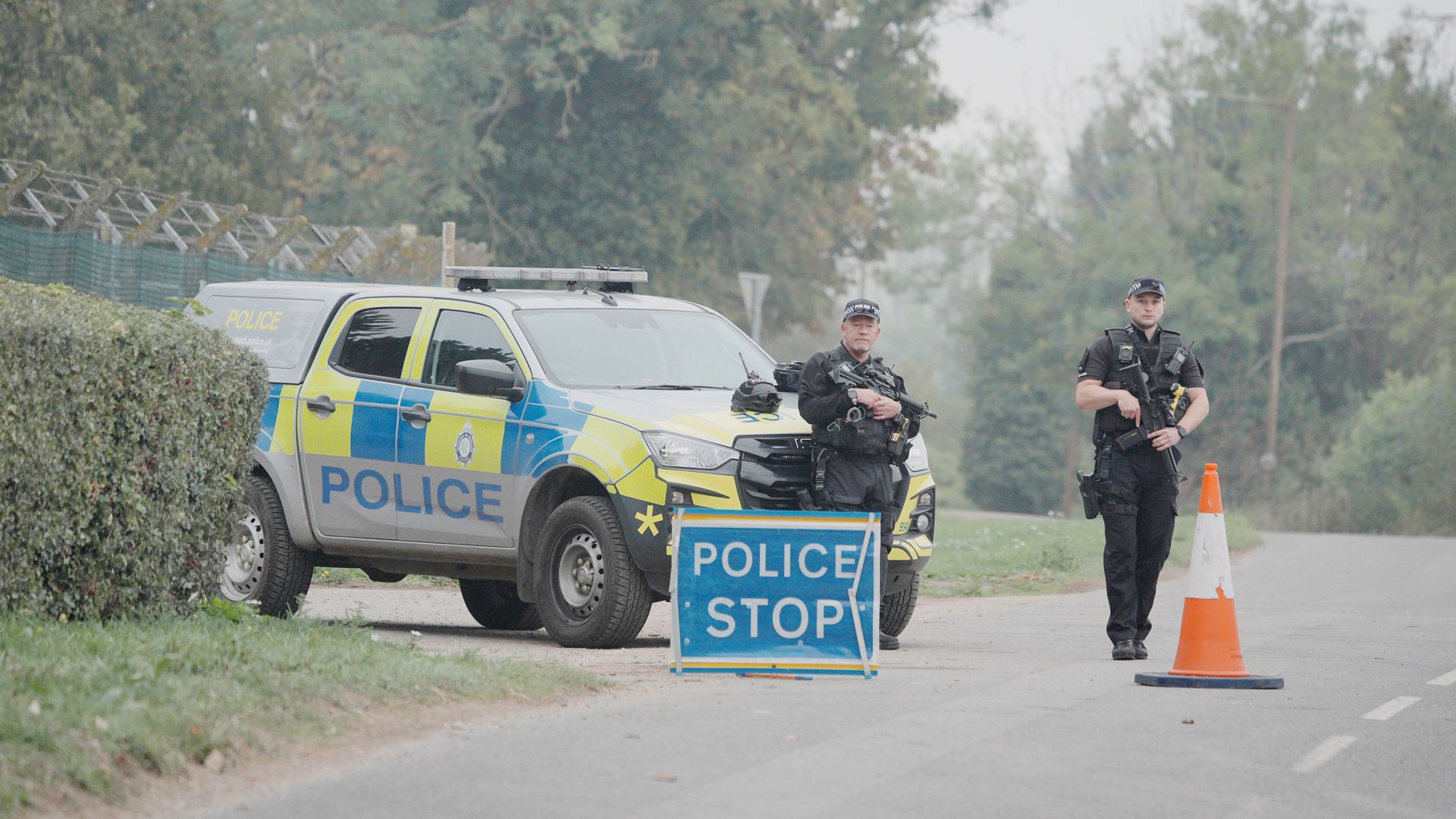
Think about what that means on the ground. When a suspicious package or fake bomb alert happens anywhere near the perimeter fence, local police and Ministry of Defence Police don't treat it like a routine disturbance. They treat it as a potential attack on strategic NATO assets.
Roads close within minutes. Explosive Ordnance Disposal (EOD) teams roll in from nearby units. Local residents get cordoned off from their homes, and flight operations face immediate scrutiny. Even when a device turns out to be completely inert, the operational disruption costs taxpayers tens of thousands of pounds and pulls emergency responders away from genuine emergencies across Gloucestershire and Wiltshire.
How UK Law Treats a Fake Bomb Alert
A lot of people assume that if there aren't real explosives, prosecutors go easy on the suspects. They're dead wrong.
Under Section 51 of the Criminal Law Act 1977, placing or sending any article with the intention of inducing a false belief that it's likely to explode or ignite is a serious criminal offense in England and Wales. The law doesn't care whether the object was a cardboard box filled with wires or a harmless bag left by a gate. Intent and effect drive the prosecution.
Here's what prosecutors actually look at when building a case like the RAF Fairford alert:
- Intent to cause alarm — Did the defendants deliberately place the item or make the call knowing emergency services would treat it as a live threat?
- Location sensitivity — Targeting a strategic military installation like RAF Fairford acts as a major aggravating factor during sentencing.
- Resource drain — Courts weigh the scale of the evacuation, road closures, and specialist bomb disposal deployment when calculating harm.
- Public disruption — Commuters, nearby residents, and base personnel losing hours of safety and access all factor into the Crown Prosecution Service's assessment.
Sentencing guidelines for bomb hoaxes allow Crown Court judges to hand down up to seven years in prison. When a military base is involved, custody isn't just a possibility—it's the standard starting point if a jury convicts.
Why the Trial Isn't Happening Until Next Year
If you're wondering why two people linked to an incident already in the headlines won't face a jury until next year, welcome to the reality of the UK Crown Court system.
Cases involving military sites rarely stay in the Magistrates' Court. Magistrates have limited sentencing powers, so serious security offenses get sent straight to the Crown Court, where a judge and jury hear the evidence. Between initial arrest, forensic examination of the recovered items, CCTV review from perimeter cameras, and Crown Court listing backlogs, a wait of twelve to eighteen months is completely routine.
During that gap, several pre-trial stages happen behind closed doors:
- Plea and Trial Preparation Hearing (PTPH) — The defendants formally enter guilty or not guilty pleas, and the judge sets a strict timetable for evidence disclosure.
- Forensic and digital disclosure — Prosecutors must hand over all relevant material, including Ministry of Defence security logs, police body-worn video, and telecommunications records.
- Legal argument hearings — Defense barristers often challenge how evidence was gathered or whether statements made at the scene are admissible before a jury ever enters the room.
Anyone following the RAF Fairford case should watch for the pre-trial hearing updates first. Those dates reveal whether the defense plans to contest the charges outright or argue lack of intent.
What Most Coverage Misses About Perimeter Incidents
Local news reports usually focus on the drama of the cordon and the court date. They almost always miss the bigger picture around military base perimeters in the UK.
RAF Fairford has long attracted attention from protesters, plane spotters, and political activists—especially during periods when US bomber task forces deploy to Gloucestershire. Most aviation enthusiasts who line the perimeter fence near Kempsford or Whelford cooperate closely with base security and Gloucestershire Constabulary. They know the rules, stay off restricted land, and report anything unusual themselves.
When someone crosses the line from lawful observation or peaceful protest into staging a fake bomb alert, it damages everyone. Base commanders tighten perimeter access, local roads face stricter monitoring, and legitimate community relations take a hit. Security forces have zero room for guesswork when heavy bombers and sensitive equipment sit a few hundred yards beyond the fence.
How to Follow Verified Updates on the Case
If you're tracking this trial through next year, stick to primary court reporting rather than social media speculation. Once a case enters active Crown Court proceedings in England and Wales, strict Contempt of Court Act 1981 rules apply. Publishing unverified claims about the defendants or guessing at motives online can actually jeopardize the trial or land commentators in legal trouble.
Check official listings from Gloucestershire Constabulary press releases and accredited Crown Court reporters covering Gloucester or Bristol Crown Court for confirmed trial dates, plea outcomes, and sentencing remarks once the jury reaches a verdict.