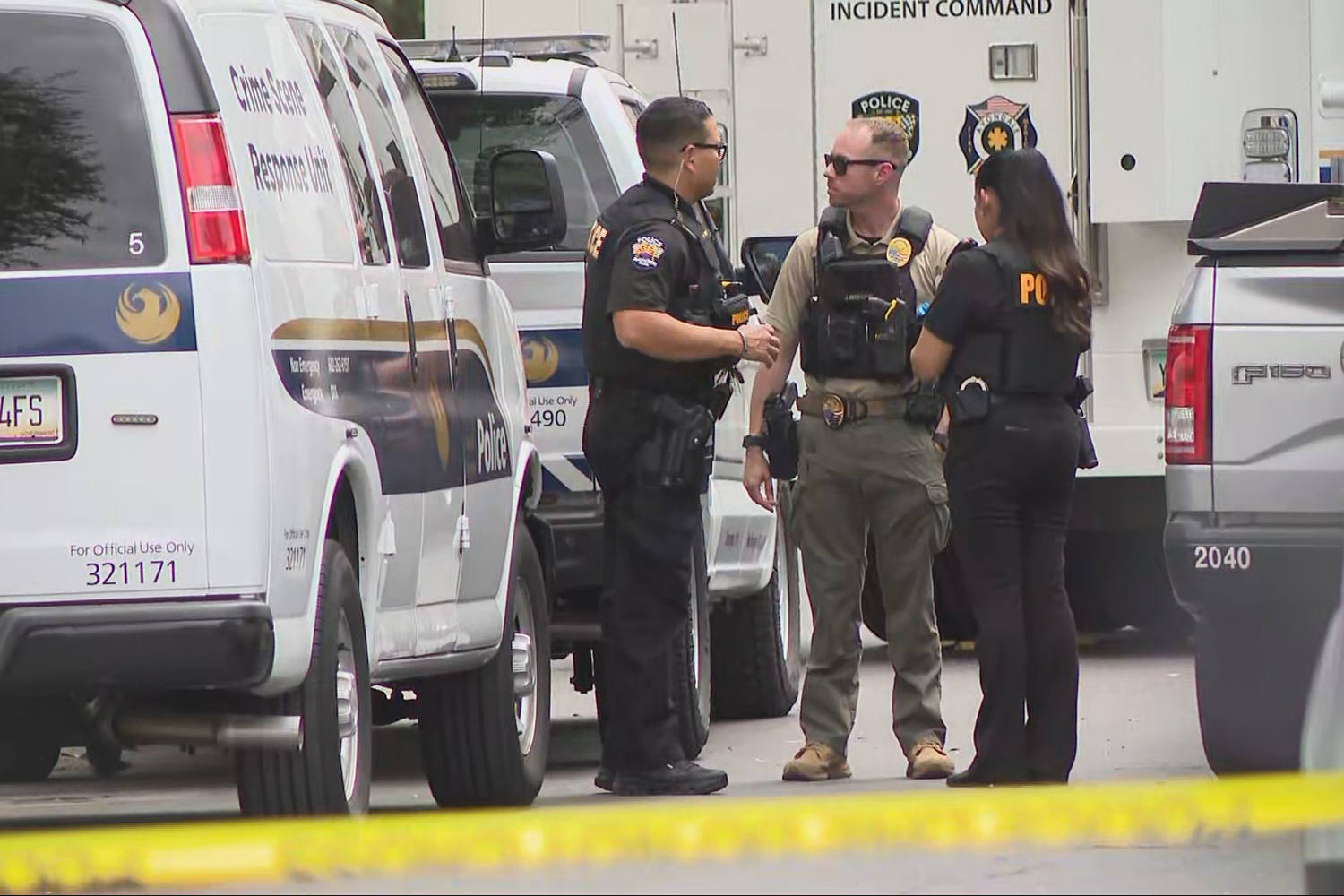
When investigators start tearing up residential property with heavy machinery, a missing persons investigation has crossed a grim threshold. You rarely see authorities bring in backhoes and forensic anthropologists for a routine check-in. Usually, it means intelligence points to a permanent silence.
This specific reality hit hard during a recent police operation centered around a missing couple. Officers swarmed a suburban yard, digging up earth while tracking an international lead. The main person of interest? Their own son, who reportedly packed up and left the country right as the investigation heated up. Meanwhile, you can explore other developments here: The Anatomy of State Survival Geopolitical Containment and the Iranian Cost Function.
Let's look at how these high-stakes missing persons cases actually unfold behind the yellow police tape, why international flight complicates everything, and what investigators look for when human remains are suspected underground.
Why Yards Become Crime Scenes
People often wonder how investigators narrow down a vast residential property to one exact square foot of dirt. They don't just guess. To understand the full picture, check out the detailed article by NPR.
Police rely on a mix of digital forensics, witness statements, and specialized ground-penetrating radar. If someone buried evidence or bodies close to home, the soil tells a story. Earth that has been disturbed years prior packs differently than virgin ground. Vegetation grows back patchy.
Detectives look for anomalies beneath the surface long before a shovel touches dirt. Ground-penetrating radar sends electromagnetic pulses into the earth, mapping subsurface disturbances. When forensic teams spot a distinct soil profile shift in a backyard, they know they have a target.
Once that target is locked, the painstaking manual excavation begins. It's not like the movies. Forensic archaeologists scrape away dirt with trowels and paintbrushes to preserve potential trace evidence, fiber, and bone fragments in situ.
The Nightmare of International Flight
When a primary suspect boards a plane and leaves the country before an arrest warrant lands, law enforcement faces a procedural maze. Borders act as legal brick walls.
Extradition isn't a guaranteed phone call. It depends entirely on existing treaties between nations, diplomatic relations, and whether the foreign government views the evidence as strong enough to justify an arrest.
If a suspect flees to a country without an extradition treaty with the United States or the prosecuting nation, they can live relatively openly while local authorities try to pressure diplomatic channels.
Investigators hate this scenario. It turns a localized search into a multi-agency, multi-year bureaucratic slog involving Interpol, the FBI, and foreign embassies.
- Local police secure the domestic crime scene and gather physical evidence.
- Federal agencies trace flight records, financial transactions, and passport scans.
- Interpol issues red notices to flag the suspect at international borders worldwide.
Even with all these tools active, distance buys a fugitive time. The physical search of the yard happens at home, but the hunt for the person responsible stretches across continents.
Reading Between the Lines of Police Statements
When police hold press conferences about cases involving missing relatives and fleeing family members, pay close attention to what they aren't saying as much as what they are.
Law enforcement rarely labels someone a suspect immediately if they want to keep lines of communication open. Instead, they use terms like "person of interest" or state they want to "speak with them regarding their whereabouts."
However, once police publicly confirm that a relative has left the country during a missing persons inquiry, the gloves are off. That public disclosure is usually a tactical move. It signals to the public that cooperation has ended, international partners are involved, and investigators are casting a wide net for tips.
Families vanish far too often under suspicious circumstances. When the trail leads straight to the backyard of a family home and an overseas flight path, the investigation shifts instantly from a rescue mission to a recovery and manhunt operation.
Keep your eyes on how quickly international warrants move through diplomatic channels, because that will dictate whether justice moves fast or stalls out entirely.