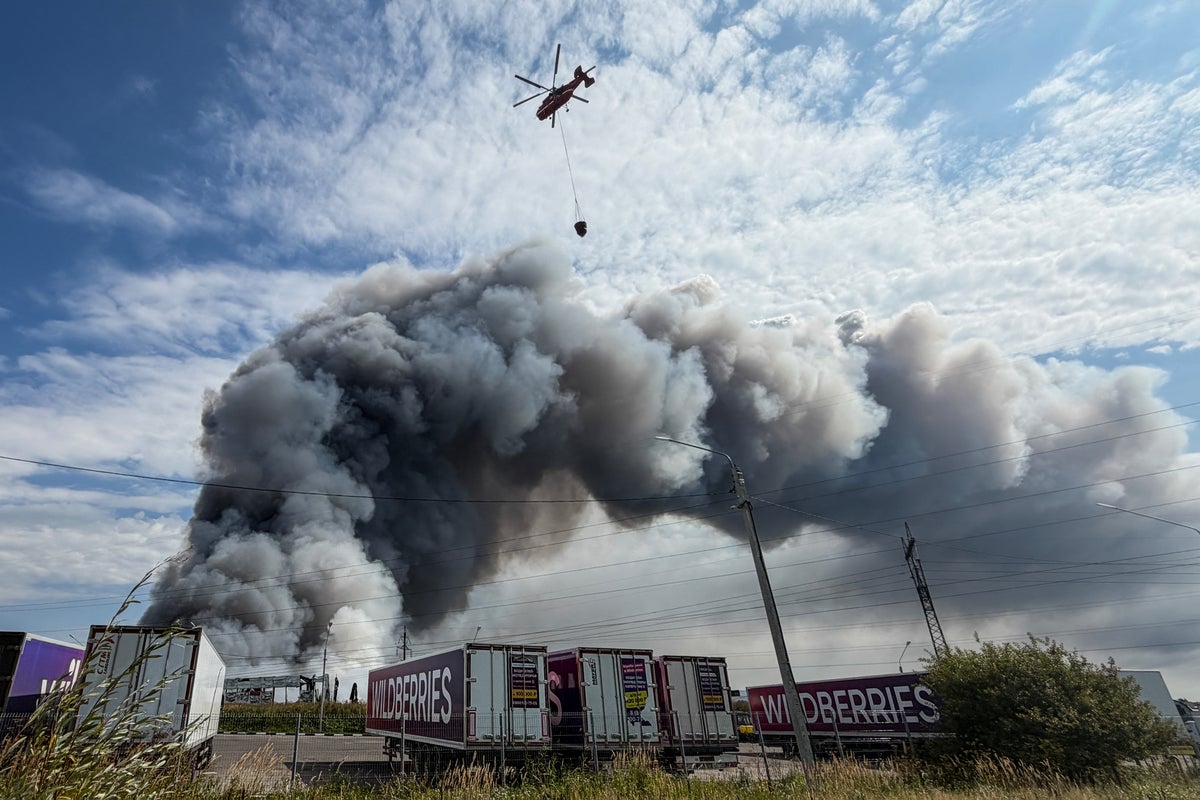
Morning light usually brings a rush of vendors and bargain hunters to Kyiv's famous Petrovka book market. Today, it smells like scorched paper and plastic. A Russian ballistic missile strike tore through the capital shortly before 3 a.m., turning rows of stalls into smouldering ruins.
Six people were injured in the blast, and firefighters spent hours dousing hot spots across the Obolonskyi district. For local vendors, the loss goes beyond financial damage. Entire collections of rare books, decades of personal archives, and small businesses built over a lifetime vanished in seconds.
The Human Cost Behind the Statistics
Air defense sirens are a grim routine in Ukraine. Yet each strike on civilian spaces leaves a permanent scar. When missiles hit commercial hubs like the Petrovka market, the intent is clear to those living through it. Infrastructure gets targeted to break community morale.
President Volodymyr Zelenskyy noted that recent waves of attacks have used hundreds of drones, guided aerial bombs, and ballistic missiles targeting communities nationwide. In Kryvyi Rih and Sumy, separate strikes killed multiple civilians. Hospitals, markets, and residential areas absorb the blow while international diplomats argue about peace frameworks.
Why Local Markets Remain Vulnerable
Open-air markets and dense commercial blocks cannot be armored. They sit exposed in the middle of urban centers. When debris falls or direct hits occur, wood and canvas structures ignite instantly.
Sellers who survived the morning blast stood nearby watching crews clear rubble. Many said they would try to rebuild once safety allows. Resilience here is stubborn. People sweep up glass, patch roofs, and open makeshift stands the very next day.
Russia's ongoing campaign aims to degrade urban logistics and everyday stability. But walking through the smoking wreckage reveals a population that refuses to stop functioning. The war continues to press against the front doors of ordinary citizens, and response efforts adapt with grim efficiency. Clean up crews move fast. The smoke clears. Life resumes under the next warning siren.