You can't talk about religious harmony in South Asia without bumping into a flashpoint that exposes just how fragile things really are. Right now, that flashpoint is in the Gaibandha district of northern Bangladesh, and the ripples are rocking the capital city of Dhaka.
What started as an ambitious cultural and religious project—the construction of an 82-foot-tall statue of Lord Ram—has ground to a sudden halt. The temple committee at the Sri Sri Radha Govinda and Kali Temple complex in Palashbari upazila officially suspended work after intense pushback from local Islamist groups. But the situation boiled over into a full-blown street protest in Dhaka after a deeply unsettling escalation: radical elements reportedly targeted images of the deity, even throwing shoes at them.
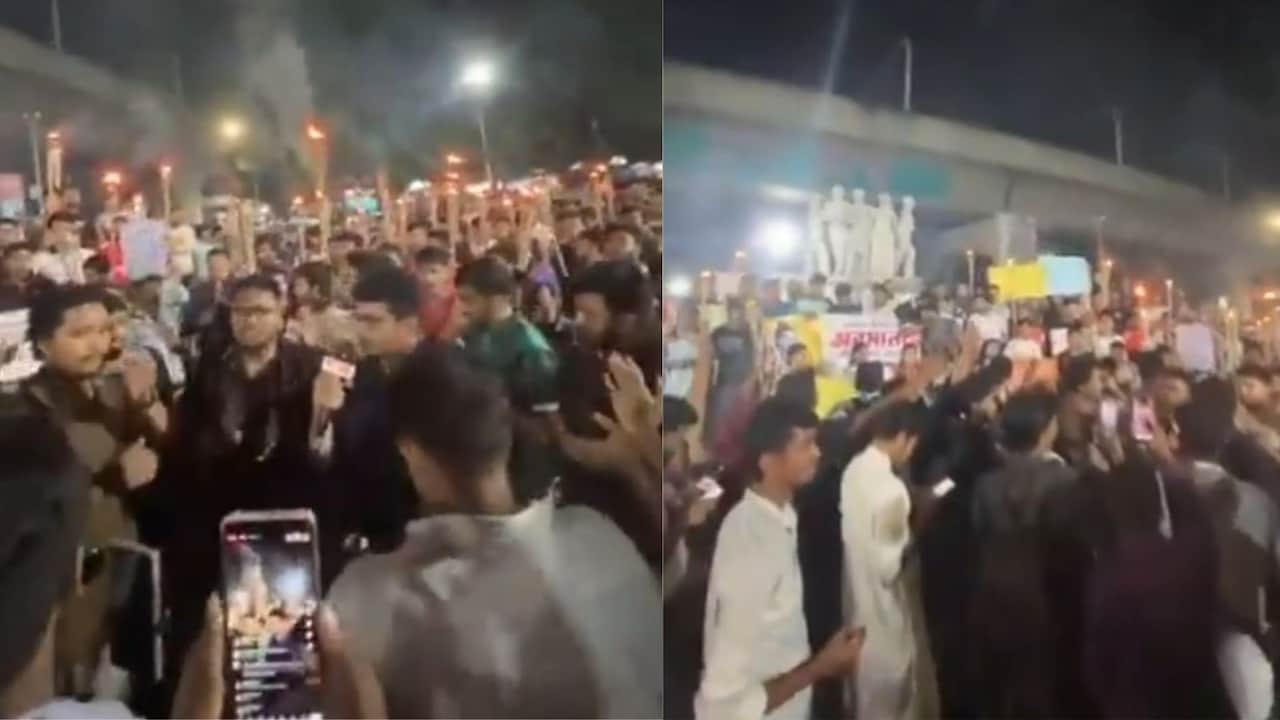
The immediate fallout brought students from Dhaka University out to the streets in protest, blocking major intersections like Shahbagh. This isn't just a minor dispute over a construction project. It's a loud, glaring wake-up call about the shrinking space for minority rights and cultural expression in Bangladesh.
The Scale of the Project and the Sudden Freeze
The project wasn't meant to be hidden away. The local Hindu community planned it to be one of the largest statues of Lord Ram in Asia, a landmark within their temple grounds. It was designed as a proud symbol of the Sanatan Dharma community's heritage in Gaibandha.
Then came the pressure. The Imam Ulama Parishad and other local Muslim religious groups mobilized fast. They organized human chains and demonstrations along the Dhaka-Rangpur highway, demanding a permanent end to the build. Their public arguments focused on things like questioning the funding sources and alleging foreign interference. They even slapped authorities with a 72-hour ultimatum.
To prevent local clashes, the temple committee paused the work. They stated they wanted to preserve social harmony, but let's be honest: it looks a lot like a forced retreat under duress.
Timeline of the Gaibandha Crisis:
1. Construction begins on the 82-foot Ram statue in Palashbari.
2. Local Islamist groups organize highway protests and issue a 72-hour ultimatum.
3. Temple committee halts construction to maintain "communal harmony."
4. Reports emerge of vandalism and shoe-throwing targeting the deity's image.
5. Dhaka University students block Shahbagh intersection, demanding arrests and a resumption of work.
Why the Dhaka University Protests Matter
When news hit Dhaka that the project was dead in the water and that an image of Ramchandra had been publicly defiled in Gaibandha, the reaction from the student body was swift. On Monday evening, under the banner of "Aware Students of Dhaka University," hundreds of students from Jagannath Hall and various women's residential dorms marched to the Raju Sculpture.
They didn't just stand around. They blocked the busy Shahbagh intersection, demanding the immediate arrest of those who insulted their religious sentiments. Student leaders pointed out a frustrating double standard that minorities constantly face: political parties make big promises about safety before elections, but those promises seem to vanish the moment the votes are counted.
The students are demanding three clear things from the government:
- Immediate arrest and strict punishment for those who defiled the religious images.
- Strong state action to shut down extremist pressure tactics and protect minority rights.
- Safe conditions to resume building the Ram statue in Gaibandha.
The Hypocrisy of Selective Religious Freedom
Human rights activists and commentators are calling out the sheer imbalance of this entire situation. Exiled Bangladeshi author Taslima Nasreen took to social media to point out a glaring contradiction. Bangladesh has hundreds of thousands of mosques, and new ones go up all the time without anyone batting an eye. So why does a single statue inside a private Hindu temple complex spark an existential crisis for local groups?
Other Muslim-majority nations like Indonesia, the UAE, and Malaysia house massive Hindu temples and cultural monuments. Those countries don't view these structures as threats to national security or identity. In Bangladesh, however, minor disputes easily turn into major security threats. Palashbari has a rough history of temple vandalism, making the local Hindu population feel incredibly exposed when the state fails to back them up.
What Happens Next
If the government doesn't step in quickly, this issue won't just fade away. The Dhaka University students have already threatened a much larger movement if the perpetrators aren't jailed and if the right to worship freely isn't protected.
Defusing this tension requires concrete actions, not just empty political statements:
- Enforce the rule of law: The local administration must hold the individuals who incited violence or vandalized religious symbols accountable to show that minority communities aren't fair game.
- Provide real security: If the temple committee wants to resume building their monument, the state needs to provide actual security on the ground so they can do so without fear.
- Address the root of extremist veto power: Allowing fringe groups to shut down legal construction projects through intimidation sets a dangerous precedent for the entire country's legal system.
The coming days will show whether the interim leadership can protect its vulnerable citizens or if the right to religious freedom only belongs to the majority.