A thousand pounds of muscle, adrenaline, and raw power moves differently than anything else on earth. When a bull enters an arena, it isn't just an animal performing for a crowd. It's a massive, unpredictable creature operating on pure fight-or-flight instinct. Most people sitting in the stands completely underestimate what that energy looks like up close until things go sideways in a fraction of a second.
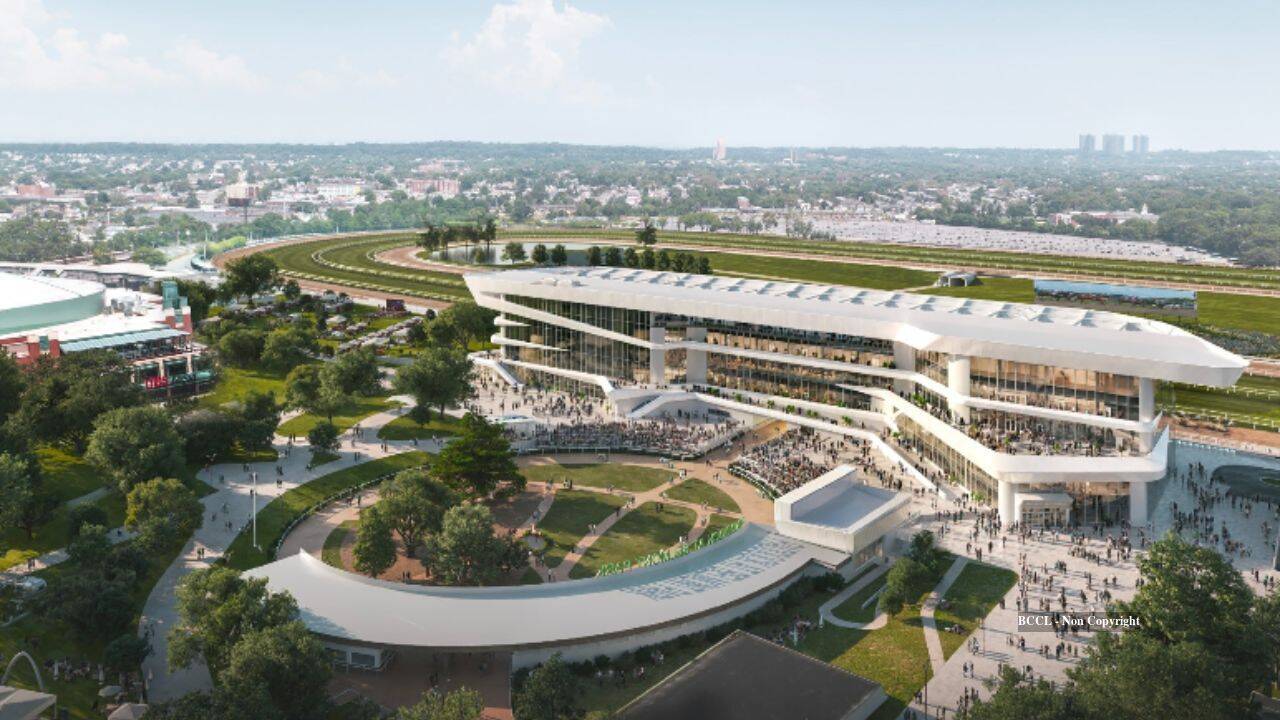
Think about the physics for a second. A half-tonne bull can generate explosive vertical force from a standstill. Their hind legs act like heavy-duty steel springs. When something startles them, or when they lock onto movement in the front rows, a standard four-foot wooden or metal barrier starts looking less like a wall and more like a minor speed bump. Also making news in related news: Why Shrunken Grandstands at the New Belmont Park Will Kill the Sport Faster Than Any Scandal.
The Raw Physics of a Raging Bull
Livestock behavior in enclosed spaces is notoriously volatile. You take an animal bred for size, strength, and aggressive reaction, drop it into a circular bowl surrounded by thousands of screaming people, flash lighting, and blaring music, and you create a sensory overload recipe for disaster.
Bulls possess panoramic vision, meaning they can see almost all the way around themselves without turning their heads. But that also means shadows, sudden movements in the stands, or the flash of a smartphone camera can trigger an instant defensive charge. When they decide to bolt, their momentum is staggering. They do not care about obstacles. They plow straight through them. Additional information on this are covered by Yahoo Sports.
Why Traditional Barriers Fail
Older arenas were built decades ago. Back then, livestock handling standards were primitive compared to modern engineering. Many rural fairgrounds, historic bullrings, and local rodeo grounds still rely on weathered timber or low chain-link fencing that was never designed to withstand a panicked animal charging at full sprint.
When a bull hits a fence at thirty miles per hour, the impact forces are staggering. Wood snaps. Metal bends. If the top rail sits too low, a powerful leap clears the top entirely, landing the animal right in the laps of unsuspecting ticket holders. Organizers love to talk about safety compliance, but compliance often means meeting the bare minimum legal requirement rather than accounting for worst-case scenarios.
The Chilling Reality for Spectators in the Front Row
People pay top dollar for front-row seats. They want to feel the dirt kick up, hear the hooves thundering against the ground, and experience the raw spectacle of the event. But that proximity comes with a massive, unacknowledged gamble.
When chaos erupts, escape routes are tiny and bottlenecked. Strollers, spilled drinks, narrow concrete steps, and panicked crowds turning into a human gridlock create a nightmare scenario. You see cell phone videos surface online every year showing a massive beast clearing the fence. The scream of terror from the audience isn't dramatic acting. It's the sound of regular people realizing that a flimsy steel rail is the only thing standing between them and serious injury or death.
The Psychology of Panic in Packed Arenas
Crowd behavior during an emergency is fascinating and terrifying. When a massive animal enters the seating area, collective panic spreads instantly. People freeze, drop belongings, or shove each other down concrete steps. Fight or flight kicks in hard.
Unfortunately, human instinct in a panic often makes the situation worse. Spectators crowd the aisles instead of dropping low or scaling the back walls of the arena. Event staff training varies wildly from one venue to the next. At local community rodeos, teenagers in high-visibility vests are often left trying to manage thousands of panicked people while a furious animal thrashes twenty feet away. That is a systemic failure waiting for a catastrophe.
How Event Organizers Downplay the Risk
If you talk to venue promoters after an incident, the script is always identical. They call it a freak accident. They talk about the unpredictability of nature. They point to their liability waivers printed on the back of every ticket.
Let us be completely honest here. Calling a charging bull jumping a barrier a freak accident is a convenient way to dodge accountability. When it happens repeatedly across different events and different countries, it stops being an accident. It becomes an accepted hazard that organizers tolerate because upgrading structural containment costs money.
The Economics of Danger Behind Ticket Sales
Safety upgrades are expensive. High-impact acrylic glass walls, reinforced steel mesh, and wider safety buffers eat into seating capacity. Fewer seats mean less ticket revenue. For smaller venues operating on razor-thin seasonal margins, rebuilding a perimeter fence to withstand a leaping bull is a financial burden they simply try to avoid.
Insurance companies are starting to wake up to these liabilities, but the enforcement remains loose. Premium hikes happen only after a major lawsuit or a catastrophic injury makes national headlines. Until strict international safety certifications become mandatory for all animal-handling arenas, promoters will keep cutting corners on spectator protection.
What Needs to Change Before Someone Dies
Protecting spectators requires a complete overhaul of how we design live livestock events. We cannot rely on nineteenth-century infrastructure for twenty-first-century entertainment.
First, arenas need mandatory minimum barrier heights that account for the vertical leap capabilities of modern livestock breeds. Second, venues must implement mandatory clear zones—empty buffer spaces between the arena wall and the first row of seats—giving people precious seconds to react if an animal breaches the perimeter. Third, security personnel need actual crisis response training rather than just ticket-taking duties.
Rethinking Front Row Seating and Clear Zones
Nobody wants to ruin the excitement of live sports and entertainment. Fans love the adrenaline rush. But there is a massive difference between an exciting spectacle and a reckless disregard for human safety.
If venues refuse to invest in transparent, high-strength safety barriers similar to professional hockey rinks or auto racing catch-fences, then front-row seating needs to be restricted or eliminated entirely. Until regulatory bodies step up with teeth, the burden falls on the individual spectator. If you buy a front-row ticket to an event featuring large animals, keep your eyes open, watch the animal's body language, and always know where the nearest clear exit route is located. Because when a half-tonne animal decides it wants to join the audience, waiting for someone else to protect you is a losing game.