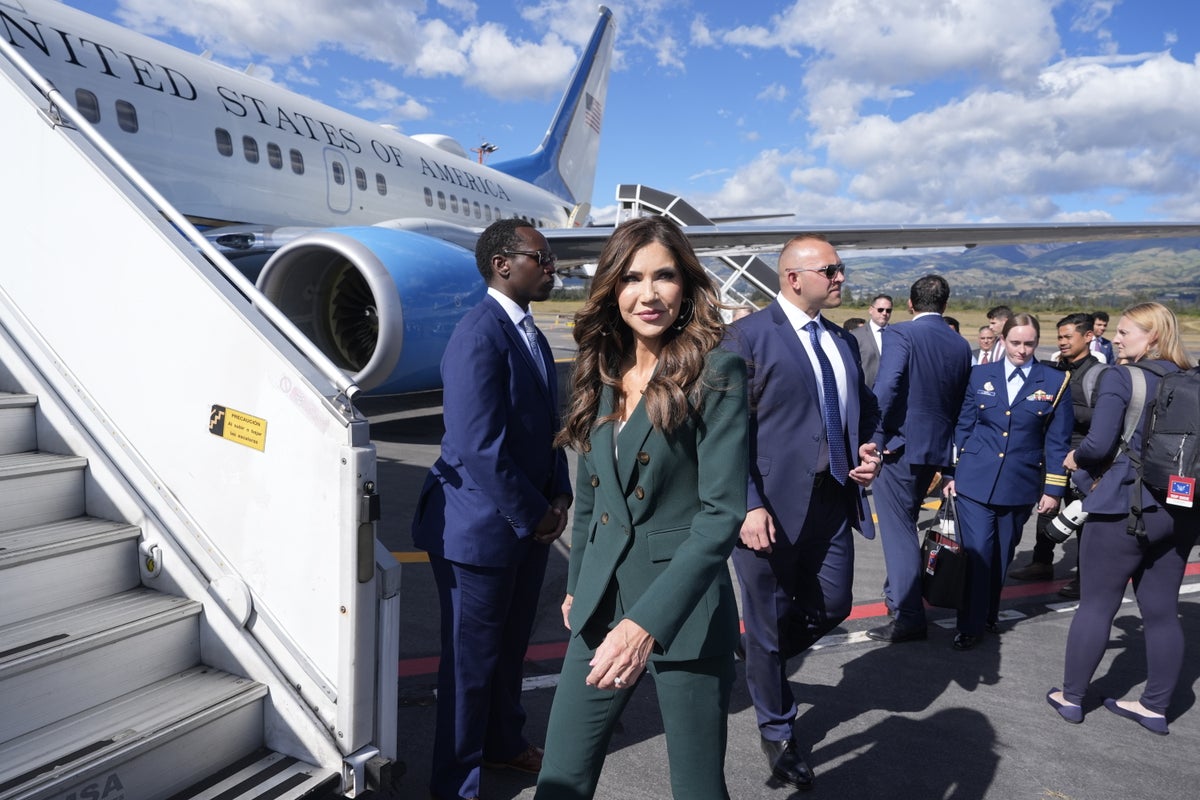
Taxpayers bought ten specialized aircraft for four hundred sixty-four million dollars under the banner of high-volume immigration enforcement. That fleet now serves a different purpose entirely. Former administration officials and political appointees currently utilize those same deportation jets for executive travel, bypassing commercial carriers and public tracking networks.
This transformation reveals how emergency procurement funds morph into administrative perks once programs stall or leadership changes hands. The capital outlay was approved under the stewardship of Kristi Noem during a period of aggressive posturing surrounding border security infrastructure. When Noem departed her post, the hardware remained. The mission did not migrate outward to the border; the mission shrank inward to the Beltway.
The Procurement Blueprint
Bureaucracy loves a blank check written in the name of security. When agencies acquire specialized transport assets, the justification always rests on operational velocity. Moving thousands of individuals across international lines demands dedicated hulls, customized seating configurations, and security isolation protocols.
Contractors lined up. Manufacturers delivered. The price tag crossed nearly half a billion dollars through supplemental appropriations and redirected operational funds. Every single aircraft was earmarked for rapid removal operations, designed to increase logistical throughput and clear detention backlogs.
Transparency advocates warned about the oversight vacuum surrounding these emergency purchases. Procurement pathways bypassed standard legislative scrutiny by utilizing multi-agency transfer accounts. The justification was simple. Speed matters when dealing with a border crisis.
Yet speed rarely translates to efficiency once the political winds shift. The aircraft rolled off the tarmac just as administrative priorities fractured.
Where the Jets Go Now
Public flight logs and tracking data tell a starkly different story than the initial press releases. Instead of logging high-frequency transatlantic deportation runs, these mid-range jets regularly park at private aviation terminals near Washington, D.C., and regional campaign stops.
Interior configurations built for secure transport now host high-ranking political appointees, agency chiefs, and senior advisors. Commercial air travel carries public visibility, security delays, and commercial schedules. These ten jets offer absolute insulation.
The maintenance costs alone run into the millions annually. Fuel, specialized hangar space, pilot retention, and security details are all absorbed by federal operational budgets. Because the planes were originally classified under sensitive law enforcement classifications, flight tracking exemptions shield many of their daily movements from casual public oversight.
Taxpayers funded a fleet intended to expel individuals. They are currently subsidizing a private shuttle service for the administrative class.
The Bureaucratic Shell Game
How does a deportation asset become a VIP transport without triggering a congressional revolt? The answer lies in the murky world of asset-sharing agreements and inter-agency memoranda of understanding.
When Noem left her position, the administrative infrastructure governing the fleet did not vanish. It was reallocated. An agency holding excess capacity can lease or assign its hardware to partner entities under broad national security pretexts.
Executive transport for senior officials routinely falls under continuity-of-government or executive protection umbrellas. By routing flight requests through these channels, agencies bypass the awkward requirement of explaining why a deportation jet is parked in a private hangar while cabinet members attend private functions or regional briefings.
The paperwork is entirely legal. The financing is fully authorized. The optics are devastating.
Accountability in the Dark
Oversight committees on Capitol Hill rarely audit operational fleet utilization until a whistleblower leaks maintenance logs. By then, budgets have already reset for the next fiscal year.
The half-billion-dollar price tag is a sunken cost. The machinery exists, the pilots are on salary, and the fuel contracts are active. Stopping the misuse requires active political will from committees that are often reluctant to restrict executive travel tools they might inherit tomorrow.
Power protects its toys. As long as budgets remain compartmentalized and tracking exemptions protect sensitive assets, administrative luxury will continue to masquerade as emergency preparedness. The jets will keep flying, the logs will remain obscured, and the ledger will stay balanced on the backs of taxpayers who thought they were buying border security.