Silence.
That is the first thing you notice when a courtroom door clicks shut behind you after a guilty plea in a case involving a teenager's death. Not anger. Not even the dramatic television crescendo people expect when a legal chapter closes. Just a heavy, fluorescent-lit quiet where every breath sounds louder than it should, and the air smells faintly of floor wax, wool coats, and old paper. For an alternative view, see: this related article.
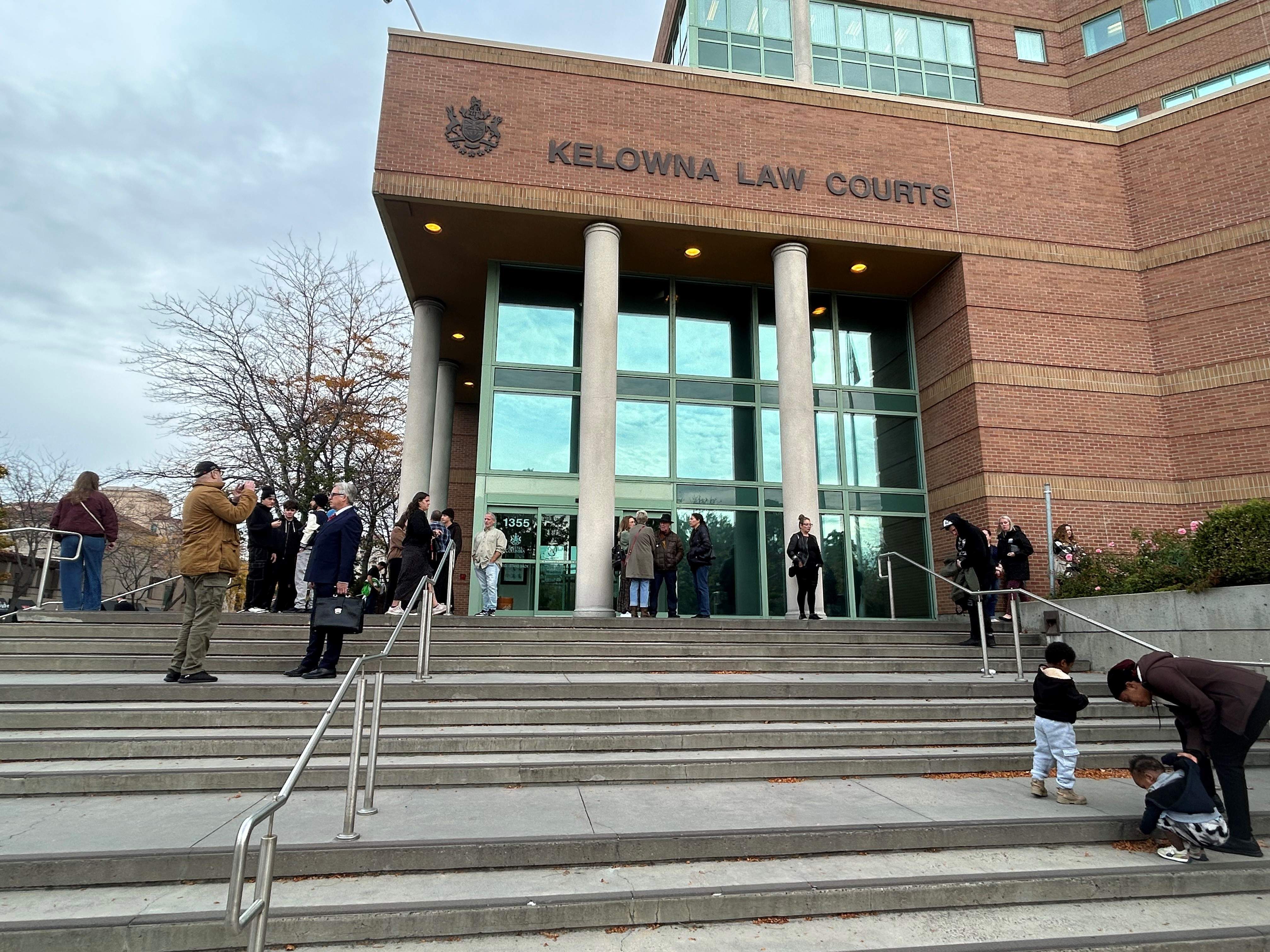
When a news alert flashes on a phone screen with a headline about a guilty plea in connection with a Kelowna teen's death, most readers skim three paragraphs and move on. A plea is entered. A sentencing date is set. A publication ban or youth justice rule might restrict names or details. To someone scrolling coffee in hand on a Tuesday morning, the whole event can look like a neat administrative knot being tied off.
It is not. Related coverage on this matter has been published by NBC News.
A guilty plea is rarely an ending. Often, it is a pivot—a moment where the courtroom stops arguing over whether a tragedy happened and begins reckoning with what it cost, how the law measures accountability, and why a family's grief remains unfinished even when someone finally says the words.
The Weight of a Two-Word Admission
Guilty.
Two syllables. A fraction of a second in the transcript. Yet behind those two syllables sits months or years of police interviews, forensic downloads, hospital alarms, whispered conversations in hallways, and families learning how to sit upright in wooden benches without collapsing.
In the Canadian justice system, when an accused person enters a guilty plea, the legal machinery shifts gears immediately. Trials are grueling marathons of cross-examination, evidentiary rulings, and contested timelines. They can force grieving parents and friends to sit through graphic testimony line by line, reliving the worst hours of their lives in front of strangers. A guilty plea spares everyone that prolonged ordeal—or at least compresses the public legal battle into an agreed statement of facts and a sentencing hearing.
Still, legal relief and emotional closure are two different currencies. You can pay one in full and still feel broke in the other.
Think of it like a dam holding back cold mountain water from the valley below. A trial is like blowing holes in the concrete piece by piece over weeks, letting the water roar out in jagged bursts. A guilty plea opens a controlled spillway. The water still rushes out. The valley still feels the surge. Nothing brings back the dry ground that was there before.
To make this concrete, consider a hypothetical scenario grounded in how small and tight-knit a city like Kelowna can feel. Suppose a seventeen-year-old who loved late-night drives along the lakefront or weekend trails in the Okanagan Valley never came home after a gathering. In a city of roughly a hundred and fifty thousand people, tragedy doesn't stay trapped inside a single street. Friends of friends know the same high school hallways, the same coffee shops along Bernard Avenue, the same stretch of highway where headlights cut through autumn mist. When a guilty plea is entered months later, one person's hand goes up in court, while dozens of others—parents, siblings, classmates, first responders—carry the shockwave home to quiet kitchens.
What Happens Between "Guilty" and Sentencing
People often ask why a guilty plea doesn't immediately close the case with a final sentence on the spot.
The answer lies in how sentencing actually works. A plea establishes legal responsibility for the admitted offense, but a judge still needs the full picture before deciding what punishment fits both the crime and the law. That takes time.
First, the Crown and defense typically present an agreed statement of facts—a written account of what happened that both sides accept as true for sentencing purposes. When there are publication bans or youth justice protections in play—common when young people are involved as victims, witnesses, or accused individuals—the public may not hear every detail, even when the court processes the file carefully behind closed doors or under strict reporting limits.
Next come victim impact statements. For families and close loved ones, this is often the first time the system asks not just what happened, but who was lost. A parent might read from crumpled notebook pages about an empty chair at dinner, an unanswered text message, or the strange, hollow quiet of a bedroom that still smells like laundry detergent. A judge listens to every word, because human loss is not an abstract footnote in a criminal code; it is part of the harm the sentence must address.
Then there are pre-sentence reports, psychological or risk assessments where appropriate, and submissions from lawyers arguing over aggravating and mitigating factors. Sentencing in Canada is guided by core principles: denunciation, deterrence, rehabilitation, and proportionality. Judges weigh the severity of the conduct, the offender's background and remorse, and legal precedents from similar cases across British Columbia and the country.
None of that happens in ten minutes. A sentencing date can sit weeks or months down the calendar. For anyone waiting on that date, the calendar stops feeling like a line of days and starts feeling like a slow drip.
Why Teens and Sudden Loss Hit a Community Differently
I have stood in rooms after sudden tragedies where adults spoke in hushed, careful tones, trying to sound composed, while younger people sat with hoods pulled low and eyes fixed on their sneakers. Grief at fifteen, sixteen, or seventeen has a raw, unfinished edge. Teenagers are still writing their rough drafts. They haven't had decades to build calluses or practice mourning.
When a teenager dies in a city like Kelowna, the ripple moves outward in concentric rings. The inner ring is immediate family—parents who suddenly have to deal with death certificates, legal jargon, and phone calls from officials instead of planning milestones. The next ring holds close friends who were texting that same teen hours earlier, left staring at a thread that will never get another reply. Beyond that are coaches, teachers, neighbors, and strangers who pass the same intersection or shoreline and feel a sudden ache in their chest.
We like to tell ourselves that youth comes with a built-in shield—that bad things happen to other people, or later in life, or far away. A teenager's death shatters that illusion in an instant. Suddenly, ordinary nights feel fragile. A siren in the distance makes shoulders tense.
Consider what happens next: the headlines fade after a day or two, replaced by weather forecasts, housing debates, and traffic updates. Yet inside the homes directly touched by the loss, time doesn't move at news-cycle speed. Mornings arrive with a jolt of memory before the brain even catches up to reality.
The Quiet Friction of Justice and Grief
One of the hardest truths about the justice system is how rarely a legal outcome matches the size of a family's heartbreak.
No sentence—whether measured in months, years, or strict conditions—can equal a young life. The law is designed to judge culpability, uphold public safety, and apply consistent standards, not to heal a broken heart or rewrite a terrible night. That gap between legal justice and emotional peace is where a lot of confusion and frustration live.
Sometimes people look at a charge or a plea and wonder why it reads the way it does. Legal charges depend on what can be proven beyond a reasonable doubt, how events unfolded, and what statutes apply to the specific facts and ages involved. Two cases that look similar on a news ticker can diverge sharply in court because of tiny details—intent, foresight, substance involvement, youth legislation, or evidentiary rules.
Admitting that the law can feel confusing or unsatisfying isn't a sign of disrespect for the courts. It is just honesty. Most of us only ever pay close attention to criminal procedure when something awful brings it uncomfortably close to home.
What Stays After the Courtroom Clears
Long after the lawyers pack their briefcases and the clerk closes the file for the day, the real work of survival continues out of sight.
For a community like Kelowna—surrounded by orchards, hills, and water that looks peaceful under a pale sky—tragedy leaves a mark on familiar places. A bend in the road. A park bench. A Friday night that used to feel effortless. Healing doesn't mean forgetting; it means slowly learning how to carry heavy memories without letting them crush every ordinary moment that remains.
And for anyone reading about a plea in a teen's death from afar, the smallest, most human response is often the simplest one: resist the urge to turn tragedy into a quick spectacle. Behind every court docket number is a real kid who laughed, argued, dreamed, and mattered to people who love them still.
Out on the water at dusk, when the hills turn violet and the first streetlights blink along the shore, the lake looks calm enough to hold anything.