Rain does not sound like a wrecking ball. When a hillside decides to quit, it doesn't shout. It groans, soft at first, like a wooden floorboard settling under a midnight step.
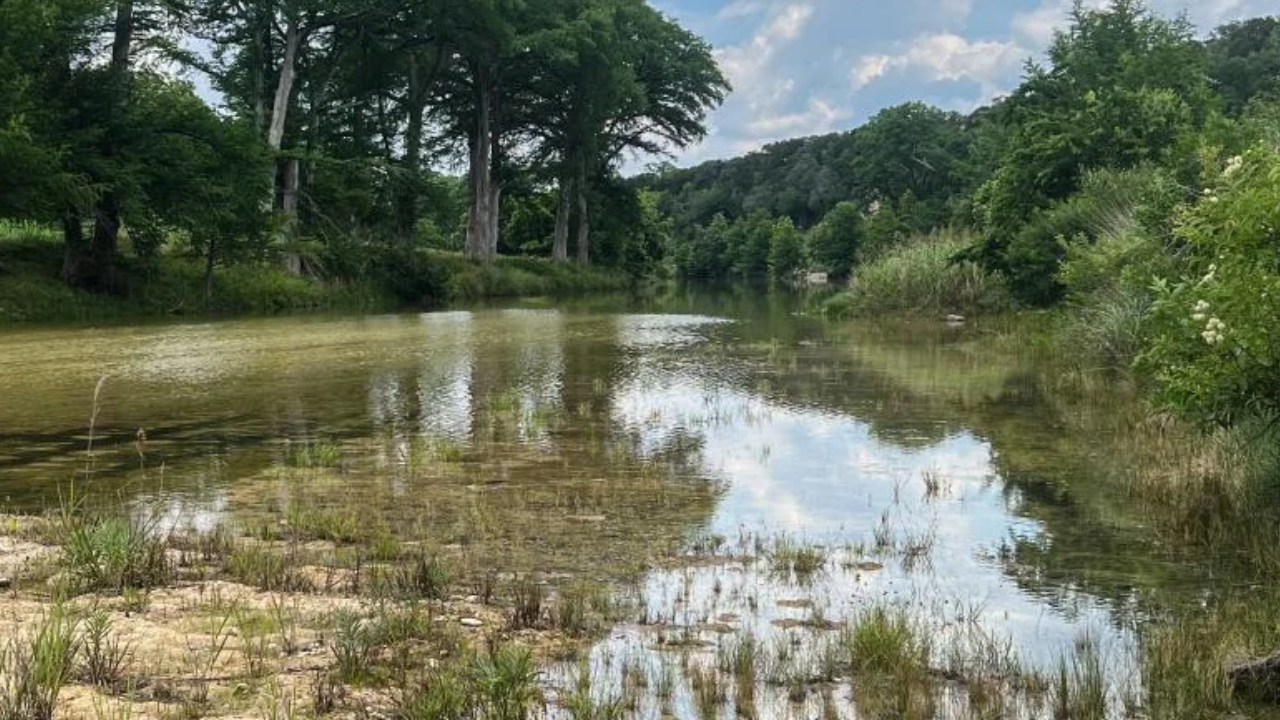
For two families living along a quiet Texas ridge, the shift began on an ordinary evening. Dinner dishes soaked in the sink. A dog whined at the back door. Outside, the rain fell steady and gray, soaking into the soil, saturating the clay beneath green lawns until the earth could no longer hold its own weight.
Then came the tear.
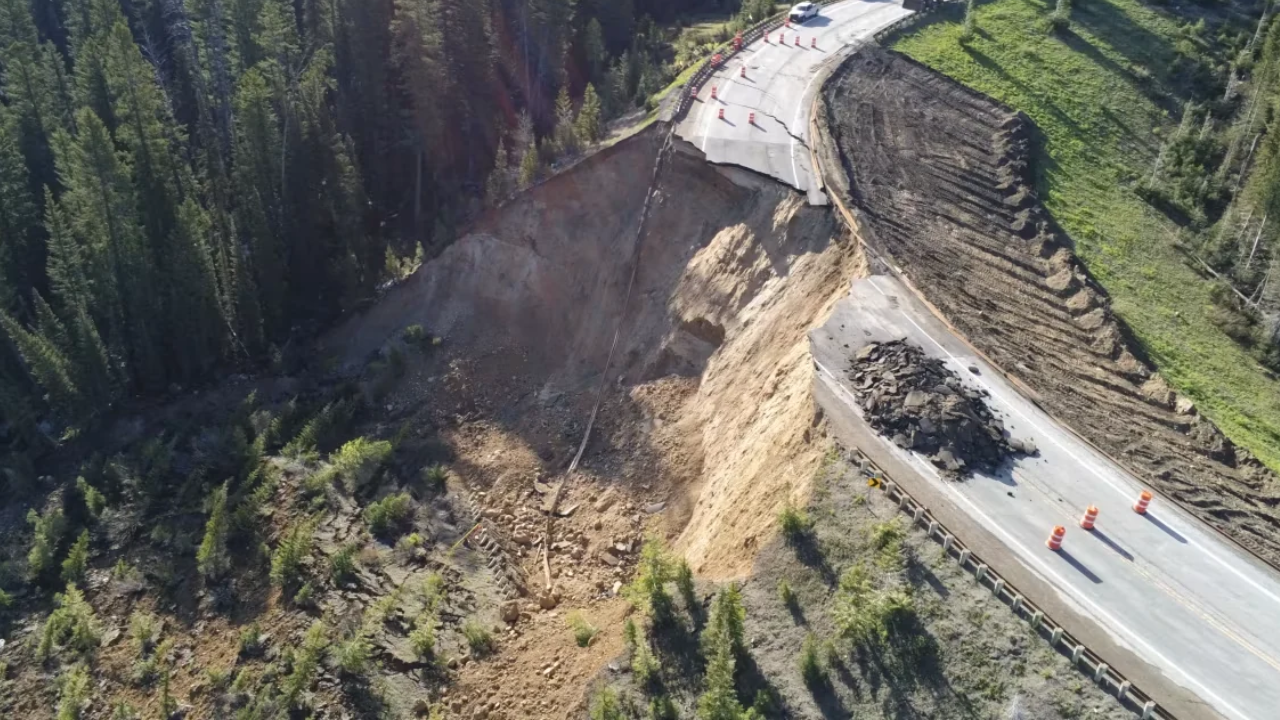
In a matter of seconds, two backyards—the manicured grass, the wooden fences, the hard-earned places where children played and summer evenings bled into dusk—simply sloughed off into the ravine below. Gone. Left behind was a raw, gaping scar of mud and exposed root, a sheer drop inches from the back patios.
When catastrophic damage strikes, most people operate under a comfortable, comforting illusion. They reach for their phone, dial their insurance provider, and assume the safety net they have paid into for decades will catch them.
That illusion vanishes the moment you read the fine print.
The Invisible Exclusion Clause
Insurance policies are not written in human language. They are drafted in legal defense mechanisms.
When these homeowners submitted their claims for hundreds of thousands of dollars in property loss, the response from the carrier arrived swift and cold: denied. The company pointed to a standard clause buried deep within the policy binder—the earth movement exclusion.
To an insurer, a landslide is rarely just an act of nature. It is a category. If water causes earth to move, it is earth movement. If gravity pulls a wet slope down, it is earth movement. If a water main breaks and softens the hill beneath your foundation, the industry still tries to brand it earth movement. It is a catch-all moat designed to keep payout dollars inside the vault.
The homeowners fought back. They argued that the catastrophic collapse was not a simple, natural shifting of soil, but the direct result of a sudden, covered event—a torrential storm or subsurface drainage failure that forced the land past its breaking point.
The insurer stood firm. The trial court sided with the carrier, shutting the door. Case closed. The families were left with ruined properties, plummeting home values, and a terrifying mortgage on a house perched at the edge of an abyss.
Most legal stories end right there. A family gets crushed by legal costs, accepts the loss, and moves on with a fractured financial life.
The Shift in the Appellate Court
Courts are slow. Justice, when it comes, rarely feels like a sudden lightning strike; it feels like the steady, methodical scraping of files across a desk.
Years after the land fell away, a Texas appellate court took another look at the case. The judges did not just read the policy line by line; they looked at the causation.
Under insurance law, there is a crucial, often contested doctrine known as efficient proximate cause. Think of a row of dominoes. If an uninsured event (soil shifting) happens, but it was set in motion by a covered event (a specific, severe peril like an sudden explosion or localized flood burst), which domino gets the blame?
The insurance company argued that the final domino—the mud slipping down the hill—was all that mattered. The homeowners argued that you cannot ignore the hand that pushed the first tile.
The appellate court agreed that the question had been closed too quickly. They overturned the summary judgment, reopening the lawsuit and forcing the insurance carrier back to the negotiating table—or into a courtroom in front of a jury of everyday peers.
It was a major procedural victory. But a legal win does not put the dirt back.
What Lies Beneath the Policy
Consider what happens when you buy a house. You sign thirty years of your financial future away. You check the boxes for home inspection, roof quality, and flood zones. You pay your homeowners insurance premium every month through an escrow account, rarely thinking about it.
It feels like armor.
In reality, traditional standard homeowners policies explicitly exclude:
- Earth movement, including landslides, mudslides, sinkholes, and earth sinking
- Flood damage from rising surface water
- Ground settlement and structural shifting over time
- Water damage caused by backup of sewers or drains (unless an explicit endorsement is purchased)
If a tree falls through your roof, you are covered. If the dirt beneath that tree slides fifteen feet down a slope, you are on your own unless you carried a specialized, highly expensive DIC (Difference in Conditions) policy—something almost no standard suburban homeowner possesses or is even offered by their broker.
The two Texas families are still fighting. Their case now moves back into the system, serving as a warning beacon for millions of property owners who assume their soil is solid and their policies are airtight.
The rain will fall again this winter. Across Texas, across the country, water will seep into subterranean clay, expanding, loosening, testing the friction that holds homes to the earth. Up on the ridge, the backdoor opens, the dog walks to the edge of the lawn, and the ground waits.