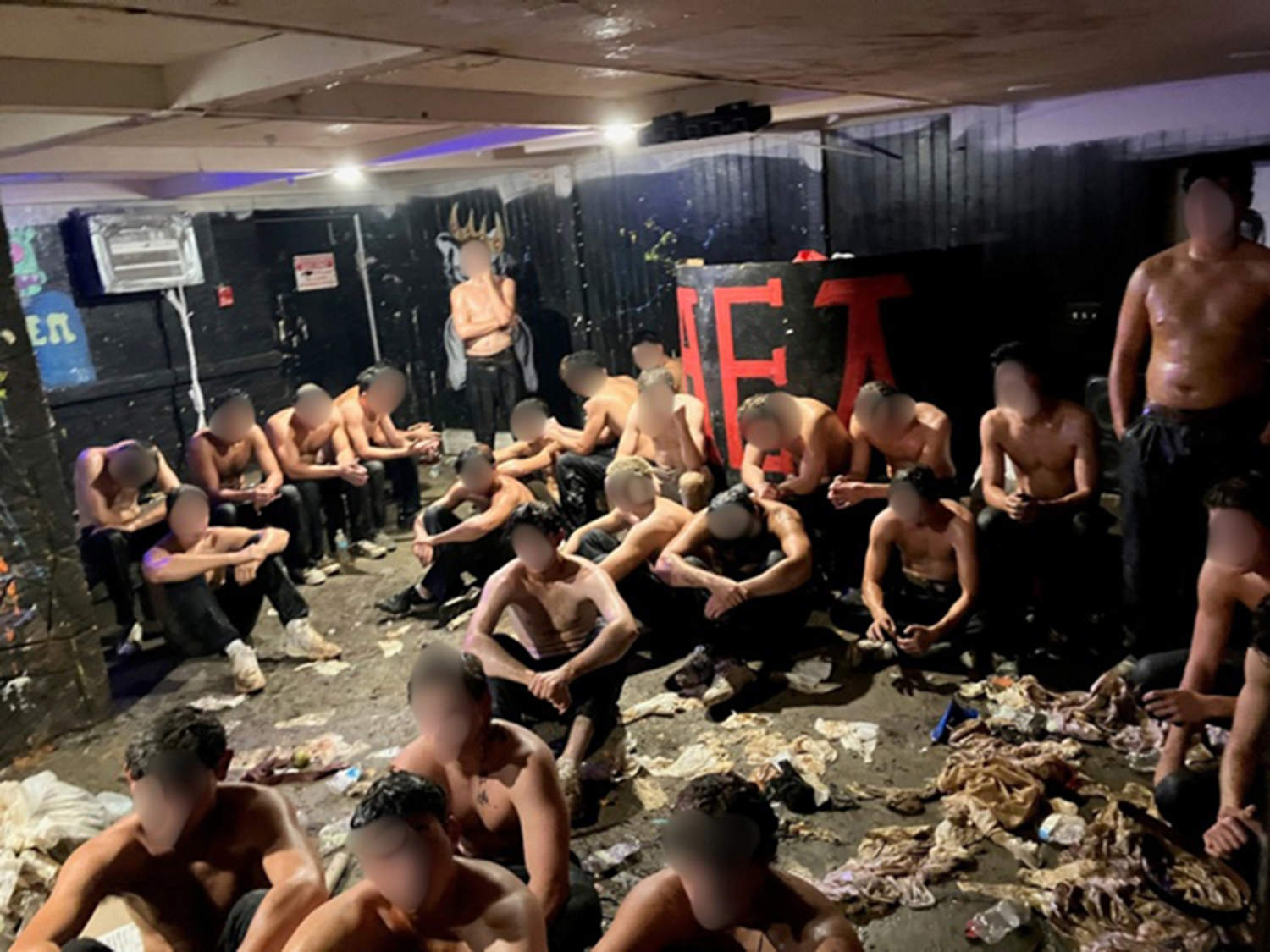
Law enforcement officers walking into a subterranean room in late autumn found a scene that defies civilized explanation. Pledges, shivering and bruised, locked away in a basement with their bodies coated in assorted condiments, garbage, and chemical irritants. The arrests of the fraternity leaders responsible made local news cycles for forty-eight hours before vanishing into the churning vortex of modern media consumption.
Yet treating this episode as an isolated prank gone wrong requires a willful blindness to the institutional rot eating away at collegiate organizations. This was not a lapse in judgment. It was the predictable outcome of an entrenched culture that worships ritualized humiliation and treats human endurance as a fraternity initiation metric. For an alternative view, see: this related article.
The Anatomy of Institutional Decay
Hazing survives because universities and national chapters share a tacit agreement to look the other way until a catastrophe forces their hands. For decades, organizations have operated under a shield of historical tradition. The mechanisms are almost entirely standardized. First comes the isolation. Pledges are cut off from support networks, academic schedules, and outside friendships under the guise of building brotherhood. Then comes the physical degradation. Sleep deprivation, forced consumption, and psychological torture wear down individual agency until compliance feels like the only path to survival.
When local authorities cracked the basement doors open and discovered injured students covered in condiments, they were looking at the physical evidence of a psychological trap. The condiments are rarely just condiments in these scenarios. They are psychological markers designed to strip away human dignity, turning college students into props for senior members seeking absolute control. The physical injuries heal or scar over, but the structural pathology of the organization remains completely intact. Further analysis on the subject has been shared by The Guardian.
Why Rational Deterrence Fails
Administrators love to roll out zero-tolerance policies whenever a chapter makes headlines. They draft sternly worded codes of conduct, host mandatory training seminars with PowerPoint slides, and temporarily suspend charters with theatrical gravity. None of it works. It fails because it addresses the symptoms while leaving the incentive structure untouched.
Fraternity houses often function as billion-dollar real estate assets and social power centers on campus. Alumni networks generate millions in donations, ensuring that national offices think twice before permanently dismantling a profitable chapter. When punishment does arrive, it usually takes the form of deferred suspensions or invisible rebranding. The members graduate, the house goes dark for a semester, and a new crop of recruits inherits the exact same playbook under a slightly different banner.
The underground chapters are even more dangerous. When a university suspends a fraternity, the members often go rogue, renting off-campus houses where university oversight vanishes entirely. In these unregulated spaces, hazing practices grow more extreme, driven by a paranoid insularity that views any outside scrutiny as an existential threat.
Breaking the Cycle of Silence
The victims of these basement rituals rarely speak up immediately, and understanding why requires looking closely at the social mechanics of high-pressure collegiate environments. Pledges invest months of their lives, emotional energy, and social capital into gaining acceptance. To report abuse is to admit failure, to betray the group identity they have been conditioned to worship, and to invite swift ostracization from peers who hold immense influence over campus social structures.
Accountability cannot depend on bruised eighteen-year-olds finding the courage to blow the whistle while trapped inside an abusive system. It requires criminal negligence charges for national officers who ignore red flags, mandatory reporting laws with real teeth for university staff, and the immediate seizure of properties used to harbor criminal hazing operations.
Until society stops treating these incidents as harmless college antics and starts prosecuting them as organized criminal assaults, the basement doors will stay locked, and the cycle of degradation will continue behind closed doors.