Sweat drips onto the screen of a smartphone in a stifling apartment in Rome, flashing another record-breaking temperature warning. It is three in the morning. The air conditioner rattles like a tin can full of nails, struggling against a relentless wall of urban heat that refuses to break. Millions of people across the globe are living this exact August night, staring at ceilings, wondering when summer turned from a season of joy into a season of survival.
Then, two thousand miles to the north, a different kind of morning is unfolding.
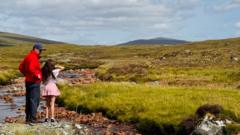
Mist clings to the dark, ancient waters of a loch in the Scottish Highlands. A solitary red deer stag stands motionless on a ridge, exhaling a puff of warm breath into the crisp, sweet air. The temperature outside hovers at a comfortable fourteen degrees Celsius. For the locals sweeping the porch of a stone cottage, this is simply Tuesday. For the traveler fleeing the scorching asphalt of southern Europe, it feels like an entirely different planet.
Call it what you will. The coolcation. The climate migration. The northern pivot. Whatever the label, a quiet revolution is reshaping how the world thinks about vacation. People are no longer chasing the sunburn. They are chasing the shiver.
The Anatomy of a Thermal Refugees Crisis
Consider what happens next when Mediterranean beaches become literal ovens. The sand grows too hot for bare feet. Asphalt melts at crosswalks. Tourism boards in traditionally sunny destinations face a chilling reality: visitors are trading palm trees for pine trees.
Data from tourism analysts shows a sharp spike in bookings toward northern latitudes. Scotland, Scandinavia, and the Baltic states are seeing an influx of visitors who used to crowd the coasts of Spain, Greece, and Italy during peak July and August. They are not coming for luxury resorts or pulsating nightlife. They are coming for oxygen. They are coming for relief.
(Note: When looking at macroeconomic shifts in travel patterns over the past three years, analysts note a distinct pivot toward cooler weather destinations during peak summer months.)
Imagine standing on the windswept shore of the Isle of Skye. The wind bites at your cheeks, carrying the sharp, clean scent of salt and peat. You pull your wool sweater a little tighter. A profound sense of calm washes over you. This is the physiological relief of the coolcation. The nervous system relaxes. The constant, low-grade panic of extreme heat dissipates.
Yet, this shift brings its own quiet friction.
When the Highlands Meet the Modern World
Change comes slowly to the glens. For generations, the rhythm of life here was dictated by sheep, rain, and the slow turn of the seasons. Villages like Fort William, Portree, and Ullapool knew visitors, of course. Walkers tackle the West Highland Way every year, carrying heavy packs and muddy boots.
But the new wave of travelers looks different. They arrive in rental cars with air conditioning cranked to maximum, seeking Wi-Fi strong enough for remote work and boutique coffee shops that open early.
Take Morag, who has run a small guesthouse outside Inverness for thirty years. She remembers when August meant a few hardy hikers from Germany and local families escaping the cities for a weekend. Now, her phone buzzes with inquiries from travelers based in Dubai, Texas, and Athens, asking not about local hiking trails, but about the reliability of her internet connection and whether her rooms have cross-ventilation.
"They are just glad it is not too hot," Morag remarks, pouring tea into a heavy ceramic mug while the rain taps a steady rhythm against the kitchen window. "They arrive looking exhausted, like they've been running from a fire. Within forty-eight hours, their shoulders drop. They remember how to breathe."
That is the hidden currency of the northern escape. It is not just a holiday. It is decompression.
The Economic Paradox of the North
Every shift in human geography leaves a footprint. For the Highlands, the influx of climate-conscious travelers provides a welcome economic boost. Local pubs, bed-and-breakfasts, and tour operators are seeing extended seasons. The traditional tourist window, once strictly confined to a frantic six-week burst in mid-summer, is stretching into late spring and early autumn.
Money flows into communities that have long battled depopulation. Young people find reasons to stay, opening craft breweries, adventure tourism companies, and farm-to-table restaurants.
Yet, the infrastructure groans beneath the weight. Single-track roads, built centuries ago for cattle drovers and horse-drawn carts, now bottleneck with caravans and luxury SUVs. Parking spots at popular trailheads overflow by eight in the morning. Waste management systems in remote parishes struggle to keep pace with the seasonal surge.
It is a delicate balancing act. How do you welcome the world without loving your home to death?
The answer lies in pacing. The very nature of a coolcation discourages the frantic, checklist-driven tourism of crowded European capitals. You cannot rush through a Highland glen in the pouring rain. You must adapt to it. You must sit inside a wood-paneled pub, listen to an impromptu fiddle tune, and wait for the squall to pass. The weather enforces a mindfulness that modern travelers desperately need, even if they fight it at first.
The Road Ahead is Foggy and Cool
We are standing at the threshold of a permanent shift in global movement. As global temperatures continue to climb, the map of human desire is being redrawn. Places once considered too wet, too windy, or too remote are becoming the ultimate luxury destinations.
The steam rises from a mug of hot black coffee on a wooden table overlooking Loch Ness. Outside, the clouds break just enough to cast a silvery beam of light across the dark water. A raven calls out from a craggy outcrop overhead.
The heat will return next year. The concrete cities will bake again. But up here, among the heather and the stone, the mist remains. And for millions of people searching for a safe harbor from a warming world, that mist is worth more than gold.


/i.s3.glbimg.com/v1/AUTH_51f0194726ca4cae994c33379977582d/internal_photos/bs/2025/i/r/awbO2yQqaKlcaE88EbfQ/saveinsta.to-487450509-18505253173001043-4348954377809315877-n.jpg)