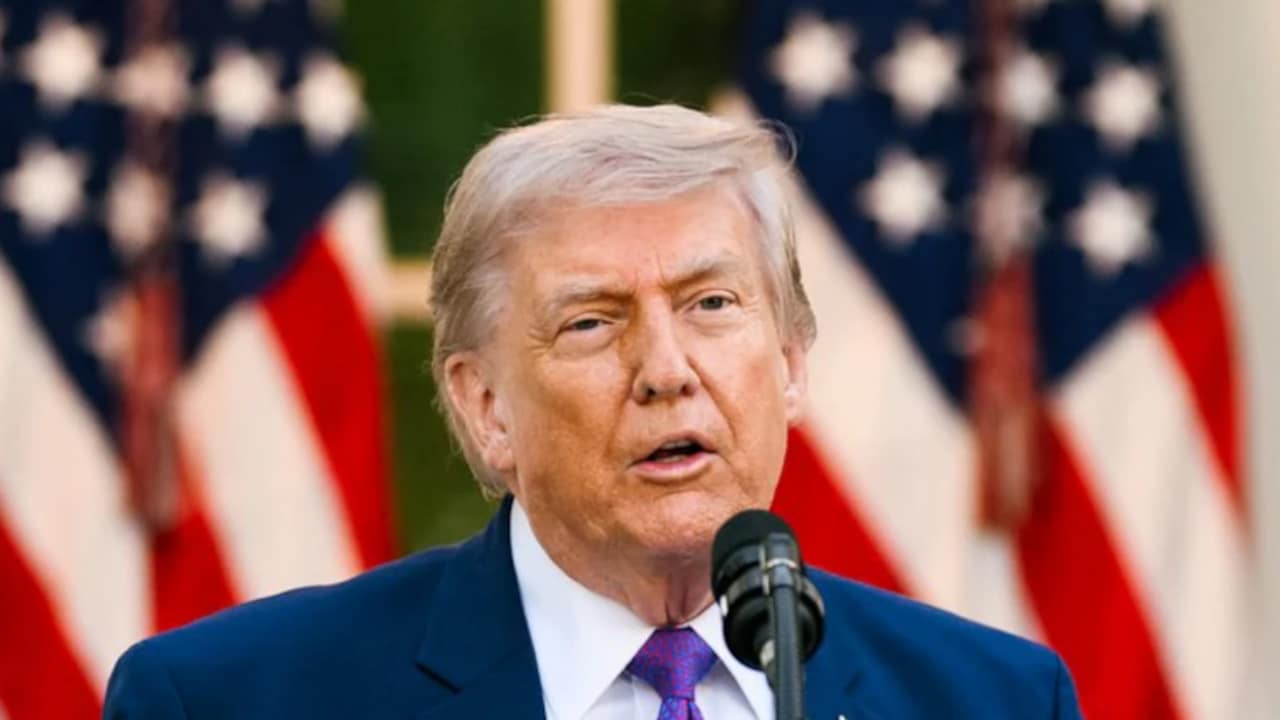
Mainstream political journalism has developed a pathological obsession with old tweets. When a reporter drags up a five-year-old social media post from a politician to shout "Hypocrisy!" it is treated as a masterclass in accountability. It is not. It is lazy, low-stakes theater that fundamentally misunderstands how international relations and political leverage actually operate.
The recent media fixation on playing back Donald Trump’s 2020 Iran tweets to current officials misses the entire point of statecraft. The press treats foreign policy like a game of "Gotcha," assuming that consistency is the ultimate virtue in global affairs. In reality, rigidity is a liability. The media's insistence on holding leaders to the literal text of historical digital outbursts reveals a profound ignorance of strategic ambiguity.
The Myth of the Digital Gotcha
Journalists love the tweet playback because it requires zero deep analysis. It is easy to find a post from 2020, contrast it with a policy in 2026, and declare a contradiction. This assumes that public-facing rhetoric is a legally binding contract rather than a tactical tool.
When a leader posts about red lines or imminent retaliation, they are rarely speaking to domestic journalists or even their own base. They are signaling to foreign adversaries, testing boundaries, and projecting deliberate unpredictability. Henry Kissinger frequently wrote about the necessity of maintaining flexibility in foreign policy; binding a nation's current geopolitical strategy to past social media posts is the antithesis of pragmatism.
The lazy consensus in modern reporting insists that a shift in rhetoric equals a broken promise. This is a flawed premise. In statecraft, changing your stance when the variables change is not hypocrisy—it is basic survival.
The Mechanics of Strategic Unpredictability
During my years analyzing Middle Eastern policy frameworks and tracking state-level deterrence models, I watched analysts burn thousands of hours dissecting the grammar of individual social media posts. They treated tweets as doctrine. They completely ignored the underlying structural realities: troop movements, enrichment capabilities, supply line vulnerabilities, and back-channel intelligence negotiations.
International relations operate on a concept known as the "Madman Theory"—a strategy heavily utilized by Richard Nixon. The goal is to make your adversary believe you are irrational and volatile enough to take extreme measures, thereby forcing them to behave conservatively.
When the media demands absolute consistency, they are essentially asking a state to hand its playbook to its opponent.
- Public Statements: Designed for deterrence, signaling, and domestic posturing.
- Private Backchannels: Where the actual, transactional diplomacy occurs.
- The Media Lens: Confuses the public signaling for the private transaction.
By treating a theatrical tweet as a static policy position, reporters validate a performative version of politics. They allow politicians to substitute actual, substantive strategy with digital noise, because they reward the noise with endless coverage.
Dismantling the Public's Flawed Questions
If you look at the standard queries driving public discussion on this topic, the flawed premises become glaringly obvious.
Why do politicians constantly contradict their past foreign policy statements?
The question assumes a politician’s primary goal is intellectual consistency. It is not. Their goal is the acquisition and preservation of leverage. A statement made during a specific escalation in 2020 carries zero utility during a separate diplomatic standoff years later. Circumstances dictate strategy, not old text files.
Does Twitter diplomacy increase the risk of actual conflict?
The media asserts that reckless statements bring nations to the brink of war. The historical data suggests otherwise. Wars rarely start because of a bad post; they start due to miscalculations of hard power, resource scarcity, or structural intelligence failures. The digital rhetoric is merely the soundtrack to decisions made weeks prior in secured briefing rooms.
The Cost of Performative Accountability
This obsession with surface-level hypocrisy carries a massive downside. By focusing entirely on whether a current action matches a past piece of rhetoric, journalists fail to analyze whether the current action is actually effective.
We see reporters asking: "Why did you change your mind?"
We rarely see them asking: "What are the specific intelligence inputs that made the previous strategy obsolete?"
This lowers the level of public discourse. It trains the electorate to judge foreign policy by the standards of a high school debate club rather than the brutal, zero-sum reality of international security. It creates an environment where leaders are penalized for adapting to new information because adaptation is framed as a political defeat.
Stop looking at the screen. Stop analyzing the timestamps. The real moves are happening in the silence between the noise, and if you are busy reading the script of the old show, you are guaranteed to miss the deployment of the actual hand. Turn off the playback and watch the board.


