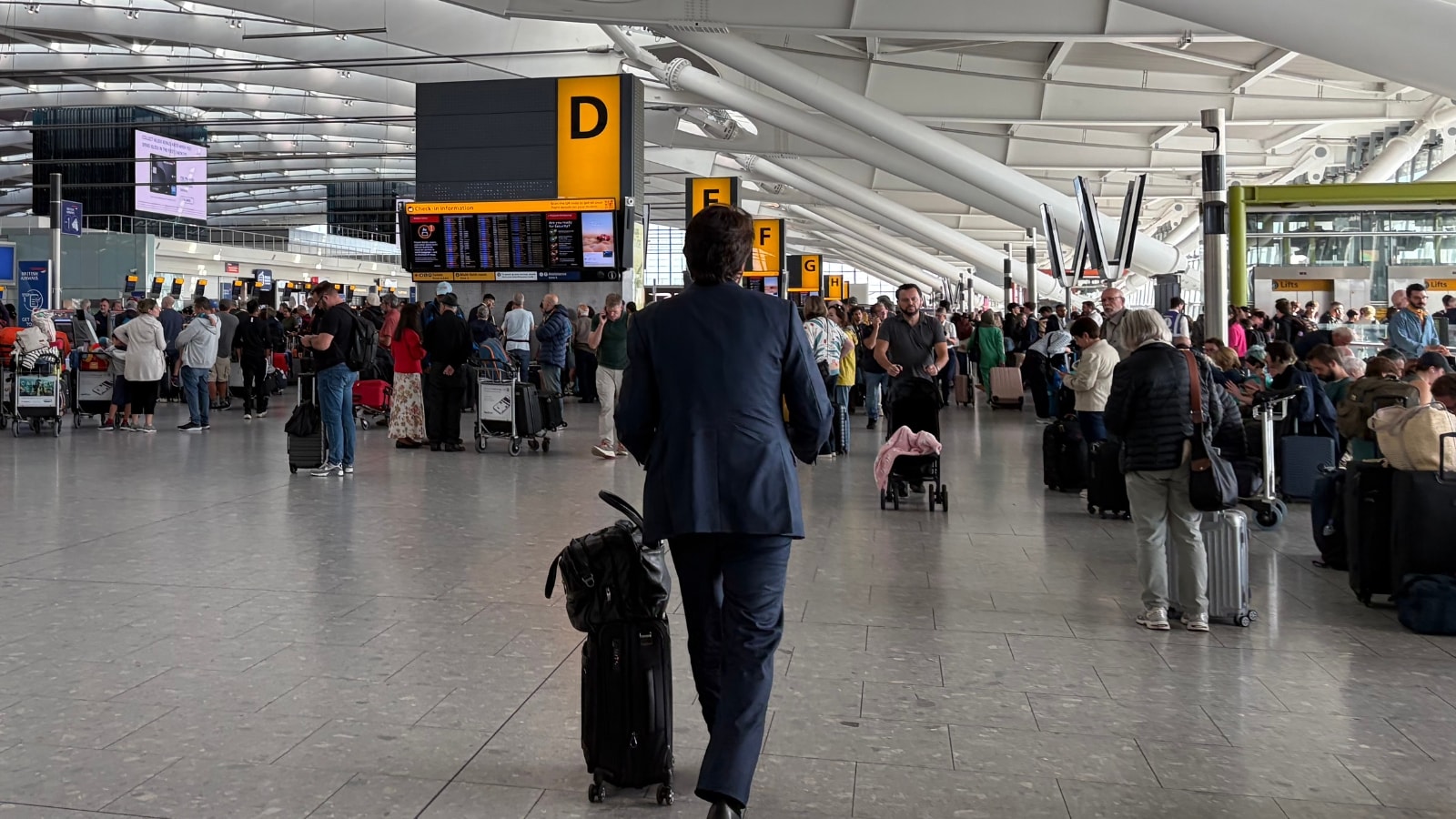
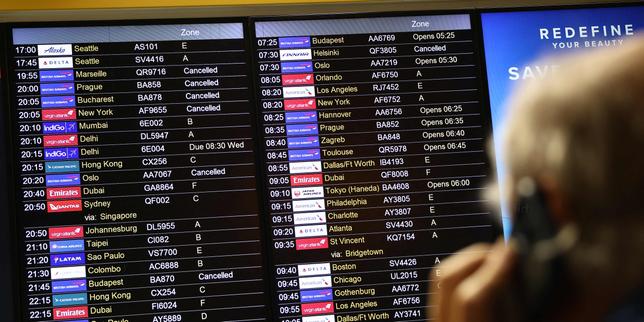
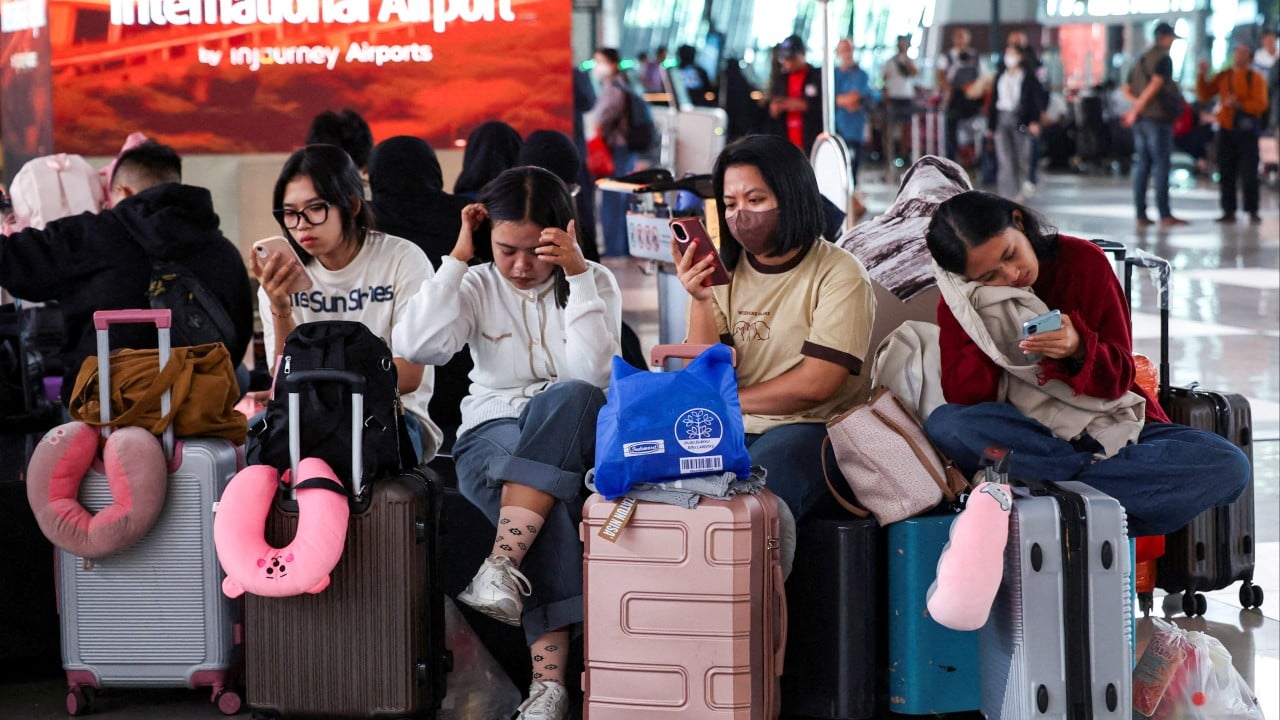
The headlines are screaming. The British tabloids are in a fever dream. "Major hantavirus update!" they shout, as if a plague ship is currently drifting toward the White Cliffs of Dover, manned by skeletal crews and infected rodents.
It makes for great clickbait. It’s also total nonsense.
If you’ve been following the coverage of the MV Hondius and the supposed hantavirus "outbreak" among passengers returning from Antarctica, you are being sold a narrative constructed out of thin air and bad biology. The mainstream media is treating a localized, predictable medical event like the opening scene of a disaster movie. They are obsessing over the wrong risks, asking the wrong questions, and ignoring the basic mechanics of how this virus actually functions.
Stop panicking about the ship. Start worrying about the state of science communication.
The Myth of the Floating Plague
The lazy consensus is that a cruise ship is a petri dish and hantavirus is the new Norovirus. This is fundamentally impossible.
To understand why, you have to look at how Orthohantavirus works. It isn't a "traveler’s bug" passed around via a buffet sneeze or a shared handrail. It is a zoonotic disease. Humans are accidental hosts. You catch it by inhaling aerosolized droppings, urine, or saliva from infected rodents—specifically deer mice, white-footed mice, or rice rats, depending on the strain.
Here is the nuance the "major updates" missed: The MV Hondius is an ice-strengthened vessel operating in one of the most sterile environments on Earth. Antarctica doesn’t have a resident population of Peromyscus maniculatus. Mice don't survive on the ice. They don't stow away in sub-zero temperatures to colonize a high-end expedition vessel.
When the media reports that "Brits have left the ship" as if they are escaping a biohazard zone, they ignore the timeline. If these passengers are testing positive, they didn't catch it on the gangway. They brought it with them, or they encountered it at a port of call long before the Southern Ocean was in sight.
The False Narrative of Human-to-Human Transmission
The underlying fear driving these articles is the "what if." What if it spreads through the cabins?
Let’s dismantle that right now. Outside of one specific strain found in South America—the Andes virus—hantavirus does not spread between humans. Even with the Andes strain, documented person-to-person transmission is incredibly rare and requires intimate, prolonged contact.
By treating this like an "outbreak" on a ship, the media implies a level of contagion that simply does not exist in the real world. I’ve seen this happen before in the travel industry. A single case of a rare disease gets reported, and suddenly the public thinks the ventilation system is pumping out viral particles.
The risk of you catching hantavirus from a fellow passenger on a cruise is effectively zero. You have a higher statistical probability of being struck by a meteor while winning the lottery.
Why the "Confirmed Cases" Metric is Flawed
The competitor articles love to count "confirmed cases." They treat these numbers like a scoreboard.
But in the world of infectious disease, a positive test result is only as good as the context. Are we talking about Hantavirus Pulmonary Syndrome (HPS) or Hemorrhagic Fever with Renal Syndrome (HFRS)? The media rarely makes the distinction. HPS is the high-mortality version (around 38%) found in the Americas. HFRS is generally less fatal and more common in Europe and Asia.
When news outlets report that "more Brits are confirmed to have left the ship," they are conflating "being a contact" or "showing symptoms" with "being a walking biohazard."
If you want to know the truth, look at the incubation period. Hantavirus takes anywhere from one to eight weeks to manifest. If passengers are showing symptoms now, we should be looking at where they were a month ago—likely cleaning out a dusty shed in the UK or hiking in rural South America—not what they ate for dinner in the ship’s dining room three days ago.
The Real Danger Nobody is Talking About
The obsession with hantavirus is a distraction from the actual, boring risks of expedition cruising that actually kill people.
While the press hunts for "virus updates," they ignore the fact that the demographic for these $15,000-a-head Antarctic cruises is overwhelmingly elderly. The real threats on the MV Hondius aren't rare rodent viruses; they are:
- Cardiovascular events triggered by the extreme physical stress of Drake Passage crossings.
- Orthopedic injuries from "wet landings" in Zodiacs on slippery, uneven terrain.
- Delayed medical evacuation. If you have a stroke in the Weddell Sea, you are days away from a Level 1 trauma center.
I have seen expedition companies spend six figures on advanced sanitation protocols to satisfy "health scares" while their passengers are still wearing improper footwear on ice floes. We are prioritizing the theatrical over the practical.
Dismantling the "People Also Ask" Nonsense
You see the queries: Is it safe to go on a cruise? How do I prevent hantavirus?
The answers provided by most "expert" blogs are patronizing. They tell you to wash your hands. Washing your hands won't stop you from breathing in dust from a mouse nest in a rural cabin.
If you want an unconventional, honest answer: The way to "prevent" hantavirus on a cruise is to stop worrying about the cruise and start worrying about your pre-trip storage unit. If you spent the weekend before your flight pulling dusty luggage out of a garage where mice live, you’ve already done the damage.
The ship is the safest place you’ve been all month. It’s scrubbed, it’s ventilated, and it’s surrounded by thousands of miles of saltwater—a natural barrier that rodents aren't exactly swimming across.
The High Cost of Misinformation
This isn't just about one ship. This type of reporting cripples the expedition travel industry.
When a "major update" uses inflammatory language to describe a handful of cases, it triggers a cascade of cancellations. It forces companies to divert resources into "hygiene theater"—spraying chemicals that do nothing to stop a non-contagious virus—just to appease a terrified public.
I’ve watched travel firms bleed millions because a single headline used the word "confirmed" in a way that suggested a plague. We are training the public to be afraid of the wrong things. We are teaching them that "more cases" means "more danger to me," when in reality, more cases in this context often just means better surveillance and a clearer picture of a pre-existing, unrelated cluster.
Stop Reading the Updates
The MV Hondius is not the Diamond Princess. This is not 2020.
The "status quo" in travel reporting is to find a scary-sounding word (Hantavirus! Ebola! Marburg!) and attach it to a luxury symbol (Cruise ship! First class!) to create maximum cognitive dissonance. It's a formula designed to bypass your logic.
Hantavirus is a serious disease, but it is a disease of the wilderness and the rural home, not the high seas. If you are a Brit who left that ship, you aren't a survivor of a maritime plague. You are a person who likely had a very expensive vacation interrupted by a statistical anomaly and a media circus.
If you’re still waiting for a "major update" to tell you it’s safe to breathe, you’ve already lost the plot. The virus isn't the threat. The sensationalism is.
Go back to your life. Clean your garage with a mask on. And for heaven's sake, stop clicking on "updates" that don't know the difference between a mouse and a passenger.
Throw the "confirmed cases" report in the bin. It’s useless data wrapped in a panic blanket. If you want to be safe in Antarctica, worry about the ice, the wind, and your own heart rate. Leave the viruses to the people who actually understand how they travel. Hint: It isn't by boat.