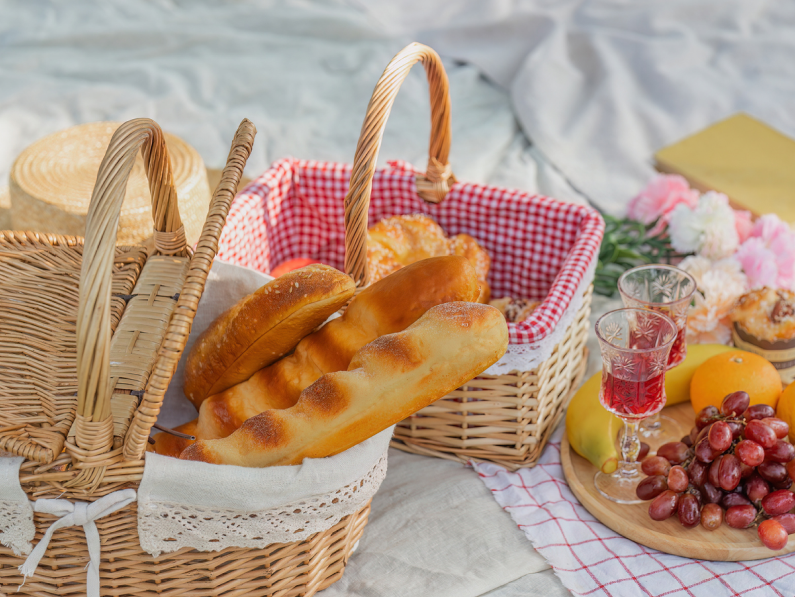
We have been sold a beautifully photographed lie about eating outside. Every spring, design magazines and lifestyle influencers trot out the same vision of al fresco perfection, featuring pristine linen tablecloths, delicate ceramic plates, and fragile glassware gleaming under a dappled orchard canopy. It is a aesthetic designed for a world without wind, insects, or gravity. In reality, the traditional luxury market has failed the modern outdoor host, prioritizing a fragile, indoor-first design philosophy over the brutal realities of nature. True al fresco style is not about replicating a dining room on a patio. It requires a complete rethink of material science, ergonomics, and manufacturing ethics.
The industry relies on a predictable cycle of planned obsolescence disguised as seasonal trends. Consumers buy cheap, heavy plastic replicas that end up in landfills after two seasons, or they invest thousands in high-end indoor pieces that warp, crack, and discolor under the first sign of UV exposure.
To build an outdoor dining setup that actually survives the elements while maintaining a sophisticated aesthetic, we have to look past the marketing fluff. We must examine the tension between form and function, the hidden environmental toll of outdoor materials, and how to source pieces that genuinely last.
The Materials Flaw in Luxury Design
Most luxury outdoor dining finds are fundamentally unsuited for the outdoors. High-end brands frequently use standard hardwoods coated with a thin, superficial lacquer, or they rely on low-grade metals that corrode at the first hint of coastal air.
When choosing an outdoor table or chair, the core architecture depends entirely on material science. Take teak, for example. True, grade-A teak contains high levels of natural oils and rubbers, making it naturally resistant to rot and pests. However, because mature teak takes decades to grow, many commercial brands use grade-C juvenile wood. They treat it with chemical stains to mimic the rich, golden hue of mature timber. Within a single season, these chemicals leach out, leaving behind a brittle, splintered surface that requires constant sanding and resealing.
The metal market is equally treacherous. Powder-coated steel is often marketed as the gold standard for durable patio furniture. But if that coating suffers even a microscopic chip from a dropped fork or a shifting stone, moisture penetrates to the raw steel beneath. Rust spreads invisibly beneath the paint, bubbling upward until the frame structurally fails.
For a setup that endures, look toward marine-grade stainless steel (316 grade) or architectural-grade aluminum. These materials form their own protective oxide layers, naturally resisting corrosion without relying on vulnerable topcoats.
The Melamine Deception
For decades, the design world pointed to melamine as the ultimate savior of al fresco tableware. It was lightweight, virtually unbreakable, and could be molded to mimic the texture of artisanal stoneware. But the obsession with cheap, stylish melamine has blinded consumers to its operational and environmental flaws.
Melamine is a thermosetting plastic. This means it cannot be recycled or melted down once formed. Every chipped plate or discarded bowl is a permanent addition to the planet. Furthermore, melamine is highly sensitive to heat. It cannot be microwaved, and repeated exposure to high-temperature dishwashers degrades the material, causing it to lose its luster and become chalky.
The alternative is not to run back to fragile porcelain that shatters on a bluestone patio. The real innovation is happening in high-fired stoneware and tinted borosilicate glass. Modern ceramicists are engineering clays fired at extreme temperatures, over 1200 degrees Celsius, creating dense, non-porous plates that resist chipping even when dropped on grass or wood decks. They offer the weight and tactile satisfaction of fine dining while surviving the chaotic environment of a backyard dinner party.
Ergonomics of the Wind and Sun
An indoor dining chair assumes a controlled climate. It sits on a perfectly level floor, shielded from drafts and direct sunlight. Move that same design philosophy outside, and it falls apart.
Standard dining chairs are too light for an open terrace. A sudden gust of wind turns a sleek, minimalist chair into a projectile. Conversely, massive iron chairs are impossible for guests to move comfortably without scraping the deck or gouging the lawn. The ideal al fresco seating requires a calculated balance of weight and breathability. Woven materials like high-density polyethylene (HDPE) resin wicker or performance sailing ropes offer the necessary airflow to keep guests cool while allowing wind to pass right through the structure, preventing the chair from catching flight.
Lighting is another area where lifestyle curation fails utility. Candles blow out. Heavy overhead floodlights destroy the ambiance and attract nocturnal insects. The solution lies in low-glare, rechargeable LED fixtures that broadcast warm light downward onto the table surface, rather than outward into the eyes of your guests. By keeping the light source below eye level, you preserve the natural twilight environment while illuminating the food and glassware clearly.
Spotting the Greenwashing in Outdoor Textiles
The phrase "weather-resistant" is one of the most abused terms in the lifestyle sector. Often, this simply means a standard polyester fabric has been sprayed with a temporary water-repellent coating. After a few heavy rainstorms or a summer of intense sun, this coating breaks down. The fabric absorbs water, leading to hidden mold growth inside the cushion foam, and the colors fade into a washed-out shadow of their original design.
True outdoor textiles must be solution-dyed. In this process, the color pigments are added directly into the liquid polymer before the fibers are even spun into yarn. The color goes all the way through the fiber, like a carrot, rather than just sitting on the surface like a radish. This makes the fabric impervious to UV bleaching and allows it to be cleaned with bleach solutions without losing its hue.
When inspecting outdoor cushions, look at the interior construction as well. Standard polyurethane foam acts like a sponge, trapping water for days. High-end outdoor seating utilizes open-cell reticulated foam. This material features a porous structure that allows water to pour straight through, drying in a fraction of the time and eliminating the damp, musty smell that ruins many backyard gatherings.
The Economics of a Lasting Investment
Buying cheap outdoor furniture is an expensive habit. A five-hundred-dollar dining set that needs replacement every two years costs far more over a decade than a single, well-engineered investment that lasts twenty seasons.
Before purchasing any al fresco dining piece, demand transparency from the manufacturer. Ask for the specific grade of wood, the exact composition of the metal, and the brand of the textile. Genuine quality does not hide behind vague marketing buzzwords; it relies on verifiable specifications.
True style outside is achieved when the design respects the environment it inhabits. Stop buying disposable aesthetics and invest in pieces built to weather the storm. Focus on heavy, high-fired ceramics, solution-dyed acrylics, and marine-grade metals that age with grace, transforming the unpredictable nature of outdoor dining into a controlled, elegant experience.