The soil in Bordeaux does not care about geopolitical posturing. For generations, the limestone and clay of southwestern France have maintained a silent partnership with the families who till them. It is a slow, deliberate life. You prune in the freezing winter mist. You sweat under the August sun. You wait. Wine is the ultimate exercise in patience, a liquid diary of a single year’s weather, captured in glass.
But a single tweet or a hastily briefed press statement from Washington can shatter that patience in seconds.
When the threat of new tariffs looms over French wine ahead of a G7 summit, the impact is not felt first in the grand ministerial buildings of Paris or the gilded rooms of the White House. It is felt in places like Saint-Émilion. It is felt by people who have their entire life savings buried in the dirt.
Trade wars are almost always presented to us in the dry, sterile language of economics. We hear about percentages, retaliatory measures, trade deficits, and gross domestic product. The headlines read like spreadsheets. They tell us that a government is putting a specific commodity "in the crosshairs" to gain leverage before a high-stakes diplomatic meeting.
This framing completely misses the point. Tariffs are not abstract numbers. They are blunt instruments that crush ordinary people who have absolutely nothing to do with the original dispute.
The Collateral Damage of a Digital Tax
To understand how a bottle of French Rosé becomes a weapon of economic warfare, you have to look at what started the fire. The dispute did not begin in a vineyard. It began in the digital cloud.
France decided to implement a digital services tax aimed squarely at tech giants—companies that generate billions in revenue from French citizens but route their profits through low-tax jurisdictions. It was a move designed to modernize the tax code for the internet age. Washington saw it differently. To the American administration, it looked like a direct attack on iconic American companies.
The response was swift, predictable, and entirely disconnected from the tech sector. The American government did not threaten to tax French software or retaliate against French digital infrastructure. Instead, they aimed at something uniquely, inescapably French.
Wine.
Consider the absurdity of the mechanism. If a government is angry about how internet companies are taxed, they penalize the person who spent the last twelve months worrying about hail storms and grape rot. It is a bizarre form of economic hostage-taking.
For an American consumer, a 100 percent tariff on French wine means the $20 bottle of Côtes du Rhône they buy for Sunday dinner suddenly costs $40. For the wine shop owner in Ohio, it means their inventory becomes instantly toxic. For the importer in New York, it means financial ruin.
But for the winemaker in France, it means the sudden, violent closing of their most important market.
The Weight of the Wooden Crate
Imagine walking into a cool, subterranean cellar where the air smells of damp earth and aging oak. This is where a winemaker stores their survival. Every barrel represents thousands of hours of physical labor, negotiation with nature, and financial risk.
When a tariff threat hits the news cycle, the atmosphere in these cellars changes. The silence becomes heavy.
Winemaking is a business of massive upfront costs and delayed returns. You pay for the bottles, the corks, the labels, the labor, and the barrels years before you see a single dime of profit. Most independent vineyards operate on razor-thin margins. They rely on the steady, predictable flow of export markets to stay afloat. The United States is not just any market; it is the crown jewel of the global wine trade. It is the place where passion meets scale.
When you threaten that pipeline, you are not just negotiating a trade deal. You are telling a family that the wine they are bottling today might have nowhere to go tomorrow.
What happens to the surplus? It sits. It populates warehouses. The prices collapse locally because the market is flooded. The smaller estates, the ones without massive corporate backing or deep cash reserves, begin to crack under the pressure. They cannot simply pivot to selling their wine elsewhere overnight. Establishing a presence in a new country takes years of relationship-building, marketing, and regulatory compliance. You cannot replace New York or San Francisco with Tokyo or Shanghai between the time a politician finishes a press conference and the G7 summit begins.
The Illusion of the Level Playing Field
The justification for using agricultural tariffs as diplomatic leverage is always the same: it is supposed to hurt the target nation enough to force them to the negotiating table. It is psychological warfare masquerading as fiscal policy.
But the pain is never distributed evenly.
The politicians who draft these tariff lists will still enjoy their dinners. The tech executives whose companies caused the friction will still see their stock options rise. The actual burden falls on the small business ecosystem that connects a French hillside to an American dinner table.
Think of the truck drivers, the dockworkers, the customs brokers, and the boutique distributors. Think of the restaurant owners who have spent years crafting a wine list that complements their menu, suddenly forced to rewrite their entire offering because their inventory has become an unaffordable luxury.
This is the hidden cost of geopolitical theater. It creates a chaotic environment where long-term planning becomes impossible. Business thrives on predictability. How can a vineyard invest in sustainable farming practices or upgrade its fermentation equipment when its primary source of income can be halved by an executive order?
The rhetoric surrounding these trade disputes often relies on a false sense of patriotism. We are told that these measures protect domestic interests. In reality, they split communities apart. They turn natural allies into economic adversaries. The American wine lover is punished just as severely as the French producer, bound together by a shared penalty for a crime neither committed.
When the Ink Dries
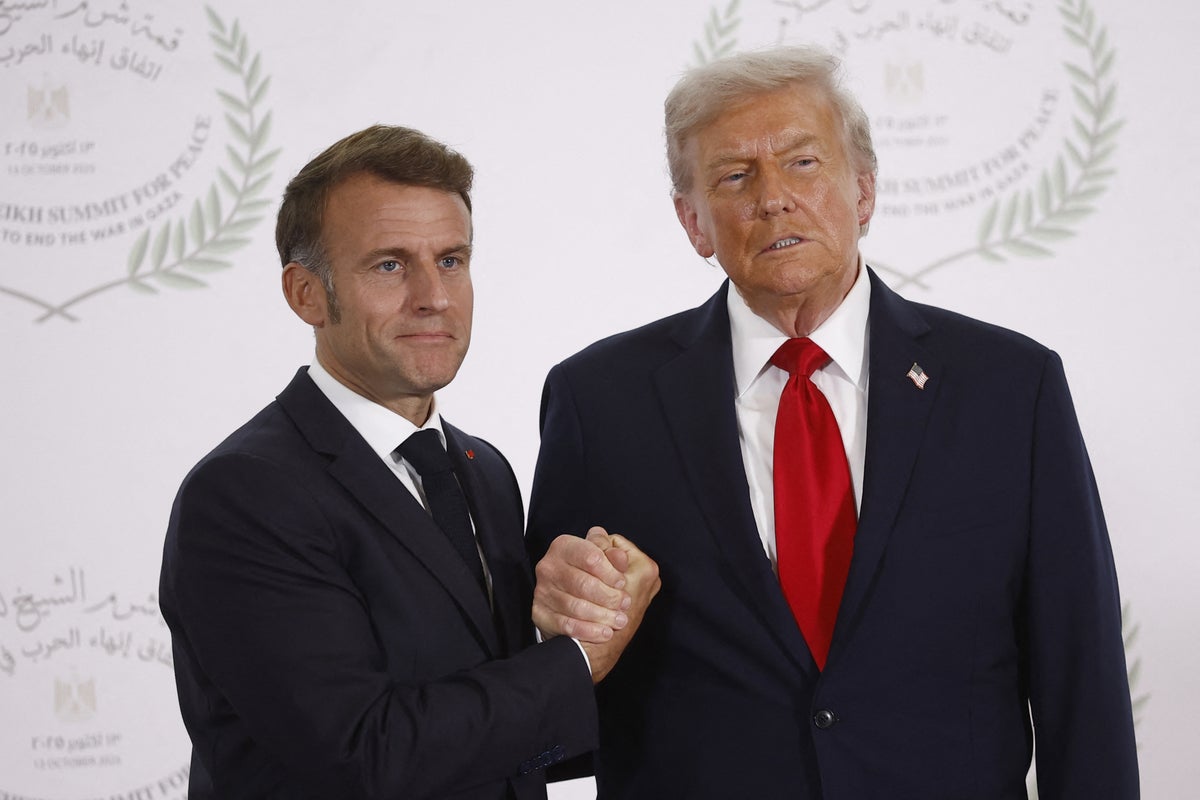
As the G7 summit approaches, the rhetoric will likely intensify. There will be frantic meetings behind closed doors. Leaders will smile for the cameras, exchange tense handshakes, and release carefully worded communiqués that signal progress while committing to very little.
Eventually, the politicians will move on to the next crisis. The news cycle will shift its focus to a new tariff, a new diplomatic slight, a new election cycle.
But back in the vineyards, the anxiety does not dissipate when the summit ends. The scars of economic threats remain long after the tariffs are either implemented or traded away for some other political concession. Trust is a fragile thing. Once a winemaker realizes that their entire livelihood can be used as a bargaining chip in a game they never asked to play, something fundamental changes. They stop looking at the future with confidence. They start looking at it with fear.
The sun will continue to set over the rolling hills of the Gironde, casting long shadows across the vines. The grapes will continue to grow, ripening in accordance with the ancient rhythms of the earth, entirely oblivious to the brinkmanship happening across the Atlantic. The wine will be made, because that is what these families do. It is who they are. But the bottles will feel just a little bit heavier, burdened by the knowledge that their true value is no longer determined by the quality of the vintage, but by the whims of powerful strangers thousands of miles away.