Flash floods in the desert change the rules of survival in seconds. One minute you're enjoying a sun-drenched hike along a dry creek bed, and the next, a wall of churning brown water races down the canyon at highway speeds.
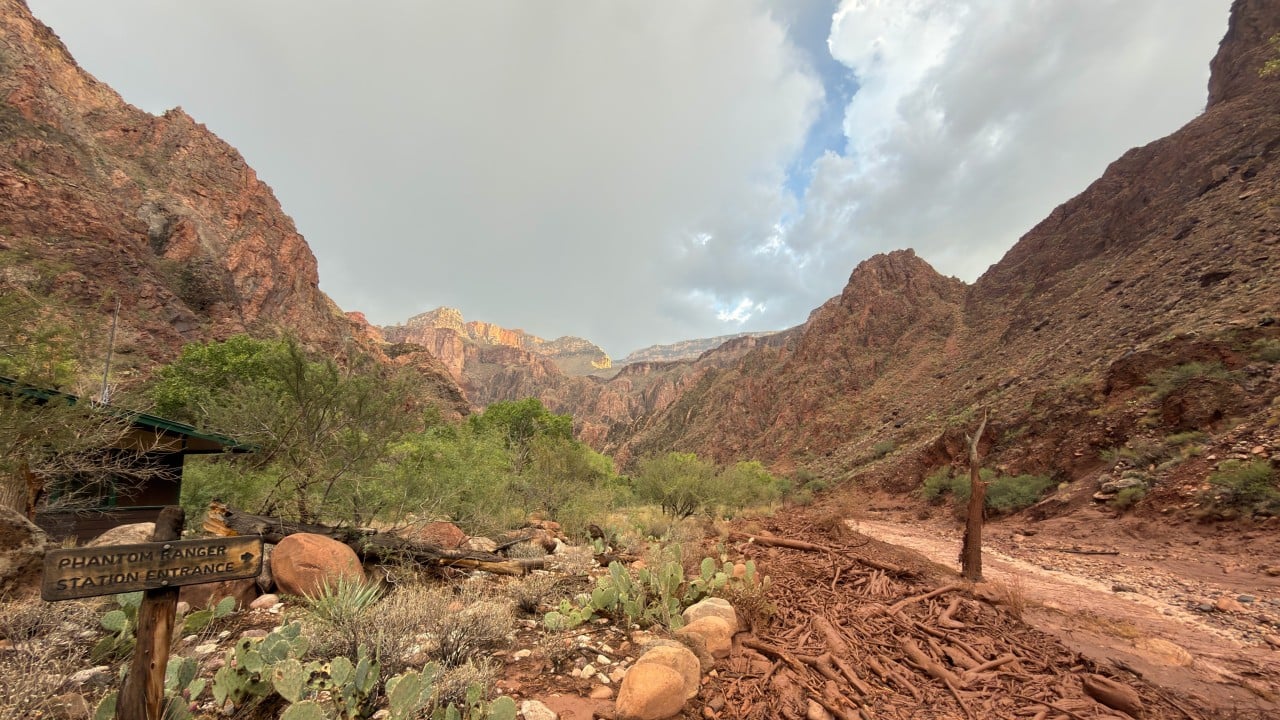
That sudden reality hit dozens of visitors and backcountry travelers hard when a massive flash flood tore through Grand Canyon creeks, leaving at least twenty people missing and sparking a massive multi-agency rescue operation.
Nature doesn't care about your vacation itinerary. When monsoon season hits the American Southwest, the backcountry becomes an extreme hazard zone. If you don't respect the geography, you pay the ultimate price.
The Anatomy of a Canyon Flash Flood
People assume flash floods happen because it's raining right on top of them. That's rarely true.
Most Grand Canyon floods start with a violent thunderstorm miles away. Water slams into slickrock, bare earth, and steep slopes that cannot absorb moisture fast enough. The runoff funnels directly into narrow washes and dry creeks. It turns into a liquid battering ram long before you hear the roar.
I’ve watched monsoon clouds build over the plateaus, and the speed at which a dry wash transforms into a roaring torrent defies logic. You get zero warning if you're downstream. The sky right above your head can be bright blue while a wall of debris crashes around the bend.
Emergency management teams faced an absolute nightmare during this recent disaster. Helicopters struggled against erratic winds. Ground crews couldn't access washed-out trails. Communication lines dropped instantly.
Why Backcountry Travelers Keep Getting Trapped
It's easy to blame tourists for poor choices. The reality is far more nuanced.
Cell service inside the canyon basically doesn't exist. You can check the weather forecast before heading down the Bright Angel Trail or exploring side creeks, but forecasts cover entire regions. They rarely predict which specific drainage will catch a localized cloudburst.
Here are the primary traps hikers fall into:
- Underestimating how fast water travels across desert rock.
- Camping too close to the creek bed for the sake of a flat sleeping spot and easy water access.
- Ignoring the monsoon window, which runs from July through September.
- Believing sunny weather guarantees safety.
Backcountry permits require safety briefings, yet people still tune them out. They think rangers are just being overly cautious bureaucrats. They aren't. They've seen bodies pulled from the mud.
Survival Rules for Slot Canyons and Desert Washes
If you plan to hike the Grand Canyon during peak flood season, you need to change your habits right now.
Check the National Weather Service forecast for the specific basin you are entering, not just the park as a whole. Look up. If towering cumulonimbus clouds start stacking up over the North Rim or South Rim by noon, get out of the washes immediately. Move to high ground and stay there until the storm system completely dissolves.
Never sleep in a dry creek bed. It looks inviting, soft, and convenient. It is also a natural drainage chute designed by erosion to carry massive volumes of water. Pitch your tent well above the high-water mark, even if it means sleeping on an awkward slope of rocks and scrub.
Pack a satellite messenger. Standard phones are useless down there. A dedicated emergency communication device lets you receive weather alerts and call for extraction if things turn ugly.
Rescue workers and park rangers put their own lives on the line every time a flash flood sweeps through the backcountry. Respect the power of the water, heed the seasonal warnings, and give the desert the fear it demands.
Grab your gear, check the radar, and stay out of the washes.