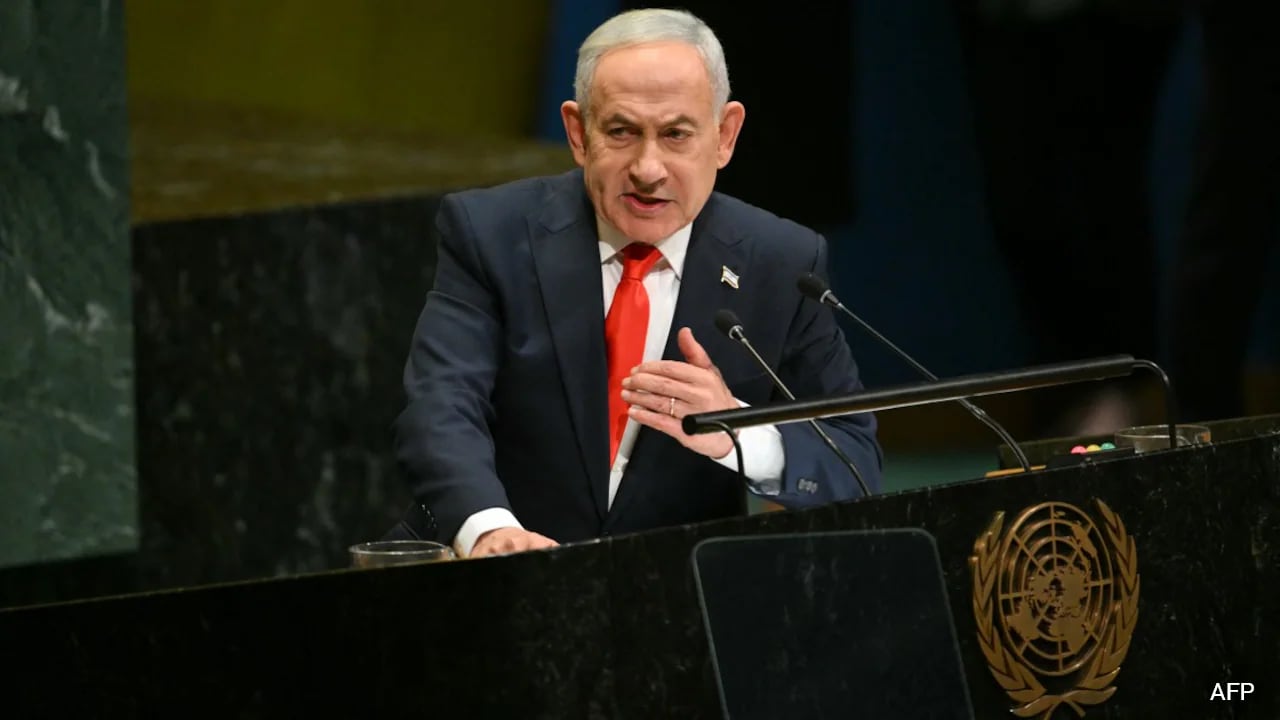
The marble of Turtle Bay is cold. It absorbs the sound of raised voices, smoothing the sharp edges of rhetoric until they echo against the gold-leaf ceiling as mere noise. But on that autumn afternoon, the noise had weight.
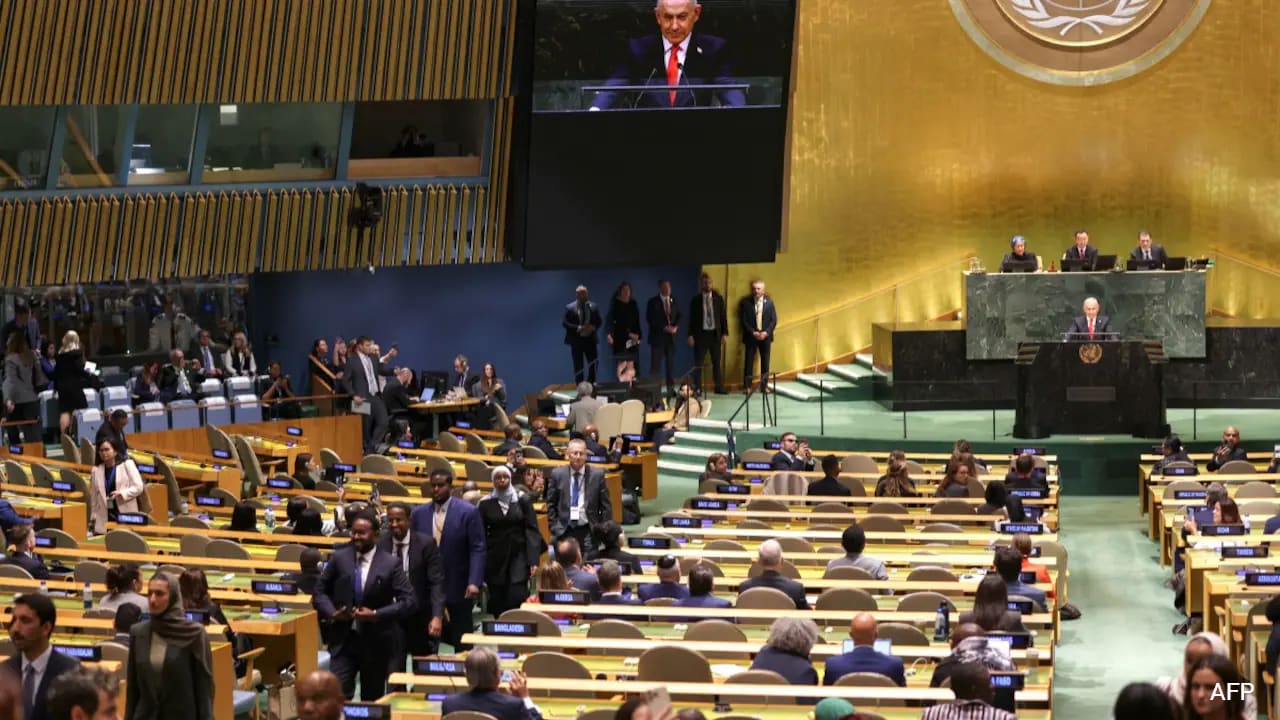
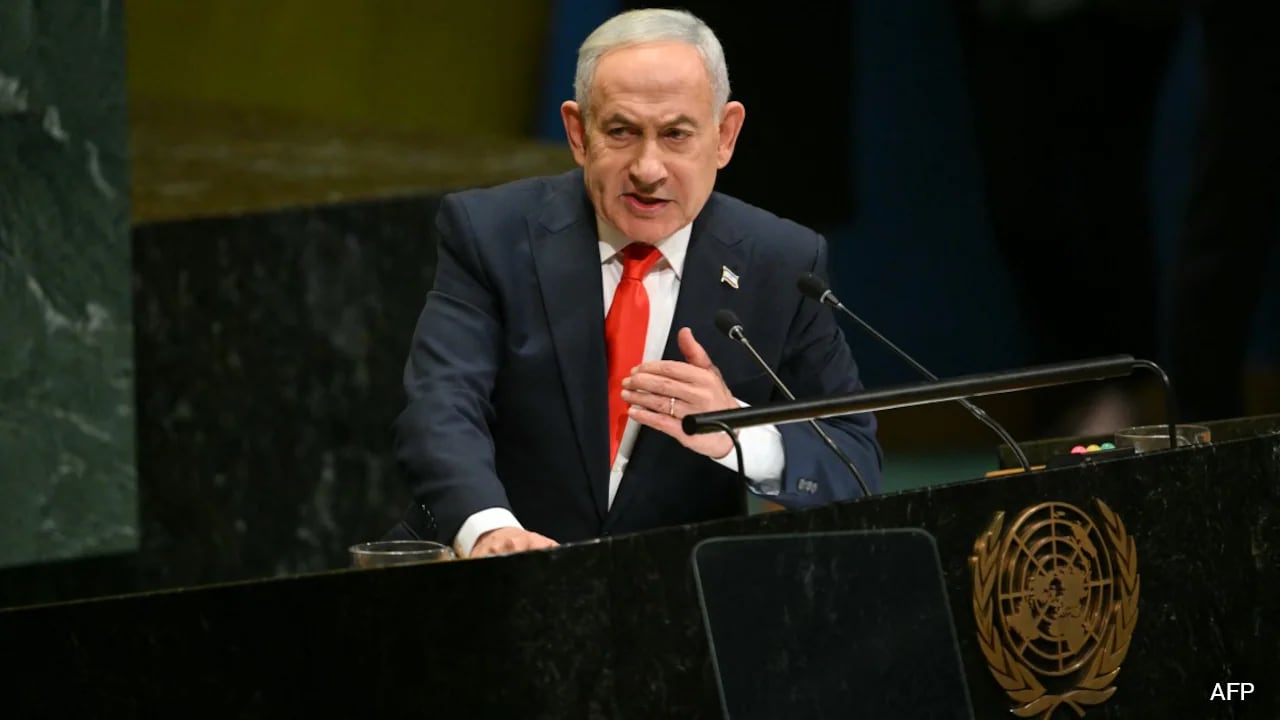
Benjamin Netanyahu stood before the United Nations General Assembly, his voice carrying the familiar, weary cadence of a man who believes he is shouting from the edge of a burning pier. Around him, rows of seats emptied in quiet protest. Delegates from London, Paris, and Ankara packed their papers and walked out into the harsh New York sunlight. They left behind rows of empty blue velvet chairs.
Optics matter in diplomacy. The walkout was designed to look like a moral verdict. Yet, beneath the televised theater of empty seats lies a much deeper, messier reality—one written not in press releases, but in the ash of cross-border skirmishes, the quiet anxieties of European capitals, and the centuries-old imperial ghosts haunting the Eastern Mediterranean.
Consider what happens when history refuses to stay buried.
To understand why the Prime Minister of Israel chose to verbally strike out at the United Kingdom, France, and Turkey in a single speech, you have to step away from the podium and look at the map. Look at the ancient trade routes, the deep-water ports, the pipelines winding beneath the sea. Diplomacy is often talked about as a language of treaties and handshakes. It is not. It is a language of leverage.
For decades, the architecture of Middle Eastern stability—or the fragile illusion of it—was underwritten by Western powers who drew lines in the sand after the collapse of the Ottoman Empire. France and Britain divided the region with rulers and pencils, carving states out of deserts and mountains. Turkey, the modern successor to that fallen empire, watches the southern frontier with a mix of historical nostalgia and raw strategic paranoia.
When Netanyahu pointedly criticized those three capitals, he was not just reacting to recent United Nations resolutions or diplomatic condemnations. He was calling out an entire architecture that he views as fundamentally compromised.
From Jerusalem’s perspective, European capitals play a double game. They offer rhetorical support for Israel’s right to security while simultaneously appeasing domestic constituencies and international bodies that seek to isolate the Jewish state. When Paris pushes for unilateral recognition of a Palestinian state without direct negotiations, or when London adjusts its arms export licenses to appease critics at home, Israeli leadership sees a betrayal of first principles.
And then there is Ankara.
Turkish President Recep Tayyip Erdogan has positioned himself as the fiercest rhetorical champion of the Palestinian cause, trading historical ties with Israel for leadership of the broader Sunni street. The rhetoric coming from Ankara has grown increasingly sharp, invoking the language of crusade and resistance.
Listen closely to the language used in these diplomatic collisions. It is never casual. Every word is a calculated weight thrown onto a scale that is already tipping.
I remember standing near the old Green Line in Nicosia years ago, talking to an aging diplomat who had spent his career watching empires recede and flashpoints ignite. He lit a cigarette, looked across the buffer zone, and said something that stayed with me.
"People think borders are walls," he told me, smoke curling into the Mediterranean heat. "They aren't. They are wounds. And if you poke a wound, you don't argue with the person standing next to you. You argue with the ghost who made the cut."
That is what the UN speech was really about. It was an argument with ghosts.
When Netanyahu rebuked Britain, France, and Turkey, he was dragging those ghosts back into the daylight. He was telling Paris that its moral posturing ignores the reality of multi-front warfare. He was telling London that historical responsibility cannot be outsourced to diplomatic convenience. He was telling Ankara that neo-Ottoman ambitions in the eastern Mediterranean will meet a hard, unyielding wall of Israeli deterrence.
The danger of this moment is not that leaders are shouting at each other in New York. Diplomacy has always been a contact sport of egos and grievances. The real danger is the narrowing of the margin for error.
When nations retreat into their own narratives, refusing to see the legitimacy of the other’s fear, the diplomatic machinery seizes up. Israel feels existentially encircled, facing adversaries armed and funded by Tehran across multiple borders. Europe feels politically fractured, wrestling with domestic polarization and the moral urgency of civilian casualties in Gaza and Lebanon. Turkey feels strategically squeezed, watching Kurdish forces and Israeli influence reshape its southern security perimeter.
Everyone is trapped in a room where every door is locked from the inside.
As the last delegates filed back into the General Assembly hall after the speech, the air conditioning hummed, neutralizing the heat of the afternoon. The translators cleared their throats. The next speaker took the microphone, adjusting the papers on the mahogany desk, and the permanent machinery of international relations ground forward, pretending that nothing had shifted.
Yet, underneath the polished veneer of procedure, the air had grown thinner. The old certainties—that Western powers could manage the Middle East from afar, that historic alliances are permanent, that words at the UN are just words—are dissolving.
The podium is made of glass. And the cracks are beginning to show.