The fragile truce between European football leadership and world governing bodies is shifting fast. UEFA is preparing to back down from its explosive threat to boycott FIFA tournaments. But don't mistake this move for peace. It's just a tactical pivot in a much larger war.
The standoff exploded into public view when details leaked about a controversial plan. FIFA leadership wanted to transfer ownership stakes and commercial interests in the World Cup and other major tournaments over to private investors. All 55 member associations of UEFA reacted with instant fury. They united behind a hardline boycott threat, refusing to play ball with a system they believed was selling out the sport's heritage for private equity cash.
FIFA quietly withdrew that toxic proposal. Yet, European bosses refused to stand down until they secured ironclad guarantees that the private equity sell-off scheme was dead for good. Sources close to the negotiations indicate that those assurances have finally landed. UEFA officials meeting in Monaco are ready to declare the immediate crisis resolved.
Upcoming events like the Under-20 Women's World Cup in Poland are officially safe. Young players won't pay the price for administrative warfare. But behind closed doors, insiders insist this isn't a retreat. It's simply about protecting athletes while the political knife fight continues.
The Domino Effect on Leadership
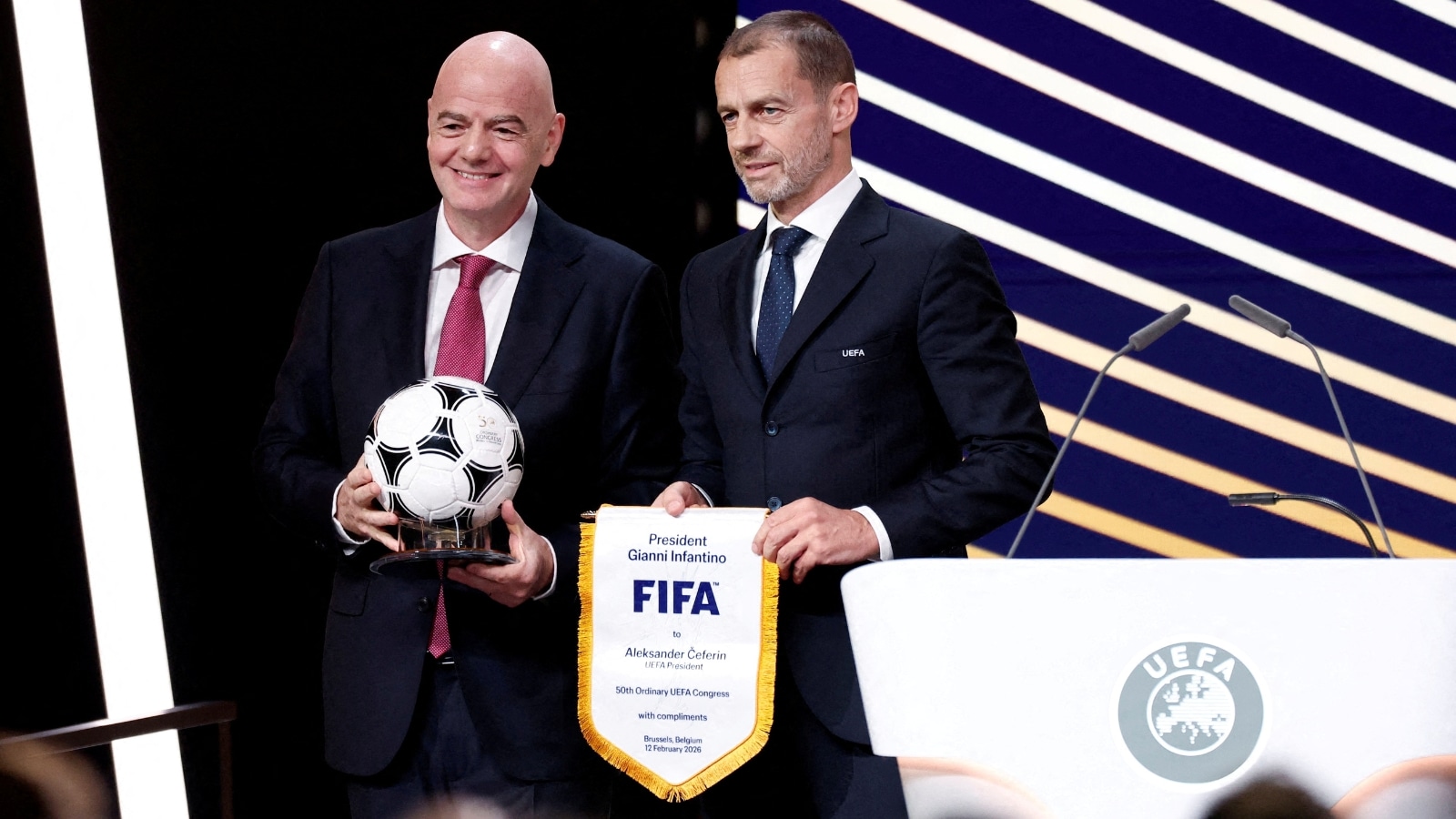
While the tournament boycott is fading, Gianni Infantino faces an entirely different kind of crisis. The political map inside global football is fracturing right underneath him.
Italy's football federation just officially yanked its support for Infantino's upcoming re-election bid. The Italian stance aligns directly with UEFA president Aleksander Ceferin, signaling that European heavyweights are done playing nice. England, Wales, Ireland, and Romania have already pulled their backing or actively demanded change. Norway wants him out entirely.
Infantino is planning to run for a fourth term next March. That path looks rockier by the day.
Pressure isn't just coming from Europe. Multiple continental confederations, including the Asian Football Confederation and CONCACAF, have joined UEFA in pushing back against FIFA's centralized control. Discussions around a vote of no confidence have moved from whispered rumors to active strategy.
Infantino still counts on loyal blocs in Africa and South America. He loves bypassing regional bodies to appeal directly to smaller national federations. That strategy relies heavily on financial distribution through programs like FIFA Forward. If European resistance disrupts the overarching cash flow, those loyalties will get tested in ways we haven't seen before.
What Happens Next for World Football
The immediate threat of empty pitches and canceled matches has passed. Yet, the underlying friction points remain wide open.
Global soccer runs on a delicate, high-stakes balance of power. FIFA commands the global calendar, but European clubs and leagues generate the vast majority of elite talent and commercial revenue. When the governing body tries to monetize core assets without broad consensus, the system wobbles on the edge of a cliff.
Expect a prolonged political battle leading up to the next presidential vote. National federations are waking up to their own leverage. They realize that standing unified can check executive overreach. The threat of a boycott worked once. Even if it's off the table today, the blueprint is right there for the next time leadership steps out of line.