Power is a lonely machine. It consumes youth, digests ambition, and spits out veterans who suddenly find themselves with too much time and no red boxes to open.
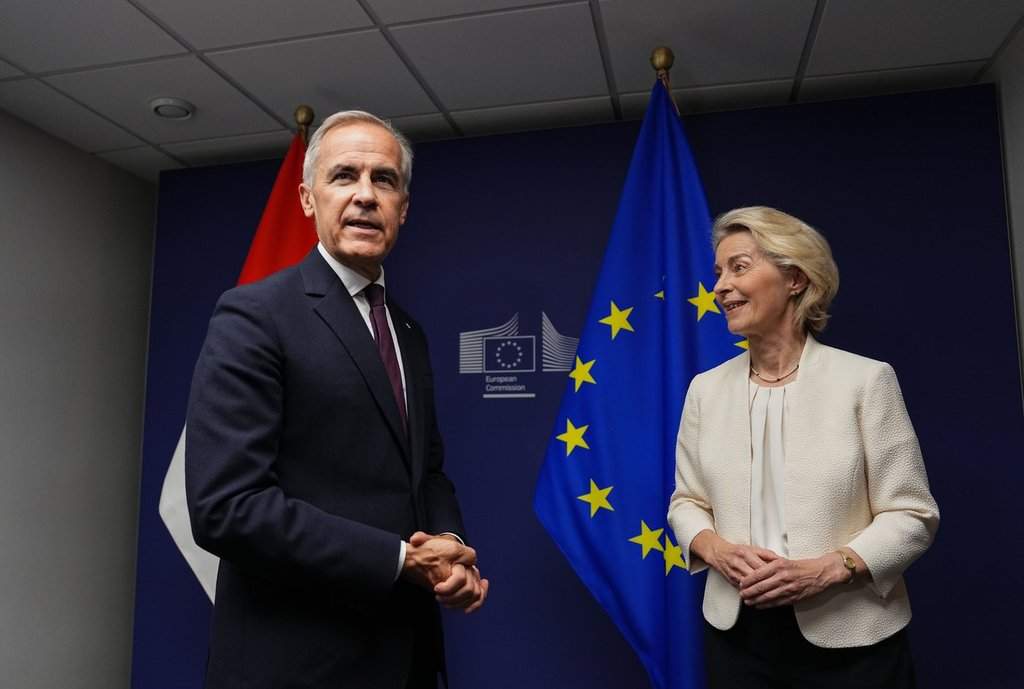
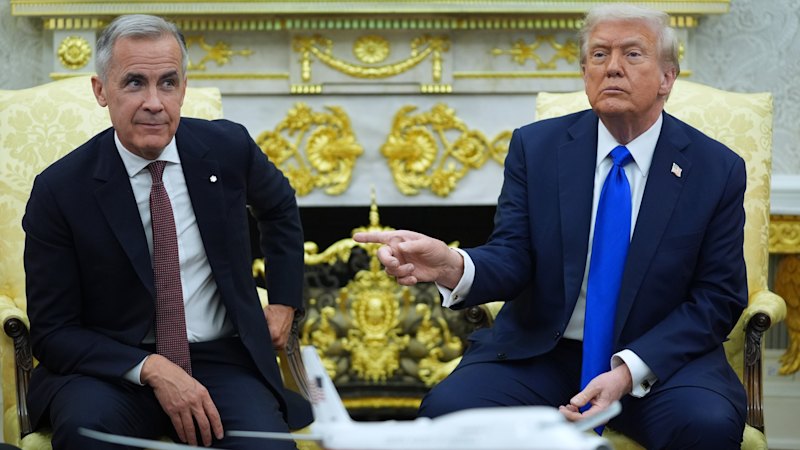
Consider the room. A wood-paneled chamber, heavy with the scent of old leather and forgotten memoranda. In the center sits a table. Around it are men and women who once commanded intelligence briefings, redirected billions in state expenditure, and held the phone lines that could alter the trajectory of a nation in a single, unrecorded sentence. Now, they share tea. They compare notes. They smile for the cameras with the practiced ease of people who know precisely how much damage a photograph can do. For a different perspective, check out: this related article.
This is the party of former prime ministers.
To the casual observer, it looks like a harmless reunion of high-achieving alumni. A stately gathering of statesmen sharing polite anecdotes about the old days. But history suggests a different reality. When leaders who once held absolute executive authority gather behind closed doors, they are not reminiscing about garden parties. They are auditing their own ghosts. They are measuring the distance between the world they tried to shape and the reality that survived them. Further coverage regarding this has been shared by The New York Times.
Power leaves a stain. Once you have held the levers of a government, normal life is a quiet room with the sound turned off. The phone stops ringing with crises. The red boxes stop arriving at dawn. The absence of urgency can be deafening. And so, they cluster together. They form an exclusive club of survivors who understand the peculiar vertigo of having been the center of everything, only to wake up one Tuesday morning as a private citizen waiting in line for a commercial flight.
There is a psychological weight to this fraternity. Imagine stepping off a stage where millions hung on your every syllable, only to walk down the street where a stranger asks if you can break a twenty for the parking meter. That abrupt descent from the peak of statecraft creates a unique bond. They do not need to explain the paranoia. They do not need to justify the sleepless nights spent weighing bad options against worse ones. They look at each other and see the only people on earth who truly understand the specific gravity of their past decisions.
Yet, public fascination with these gatherings goes deeper than mere psychology. We watch them because we are trying to read the tea leaves of our own political mortality. What does it mean when the architects of yesterday assemble to break bread today? Are they offering quiet counsel to the current tenants of office, or are they forming an informal shadow cabinet of discontent?
History is littered with the ghosts of leaders past who found it impossible to simply fade away. Winston Churchill spent his "wilderness years" painting and writing, yet his shadow hung over Downing Street like a pending storm. Harold Macmillan prowled the backbenches of the House of Lords like an ancient oracle, dropping devastating rhetorical grenades into contemporary debates with a dry, aristocratic chuckle. These figures do not truly retire. They evolve into institutions within institutions.
When a former leader speaks, the current administration flinches. Every raised eyebrow is parsed for dissent. Every casual observation is weighed as a public critique of current policy. It is a delicate dance of influence without portfolio. They possess the moral authority of experience coupled with the dangerous freedom of having nothing left to lose. They no longer care about party whip lines or re-election cycles. They care only about legacy. And legacy is a jealous god.
We have all felt the strange sensation of looking backward while trying to move forward. It is the human condition scaled down to personal life: the compulsion to revisit old battlefields to see if the scars still match. For these leaders, the gathering is a mirror. They look across the table and see the choices they made, the compromises they swallowed, and the crises they survived.
Some look back with pride. Others wear the thin, brittle smile of men and women who know history is already rewriting their chapters without their permission.
The public often misinterprets these moments as orchestration. We look for hidden plots, secret pacts, and clandestine endorsements. Sometimes, the truth is far simpler and infinitely more melancholic. They are simply lonely. They are looking for someone who speaks their language in a world that has already moved on to new voices, new slogans, and new disasters.
Power demands a heavy toll, and its final installment is irrelevance. To watch former heads of government gather is to watch humanity grapple with the twilight. Beneath the tailored suits and the carefully managed optics lies a universal truth: no matter how high you climb, the mountain eventually ends, and you are left standing in the cold air at the summit, wondering who is listening to the wind.