Silence is a heavy room. For Mike Diamond, that room had stood furnished with memories for over a decade.
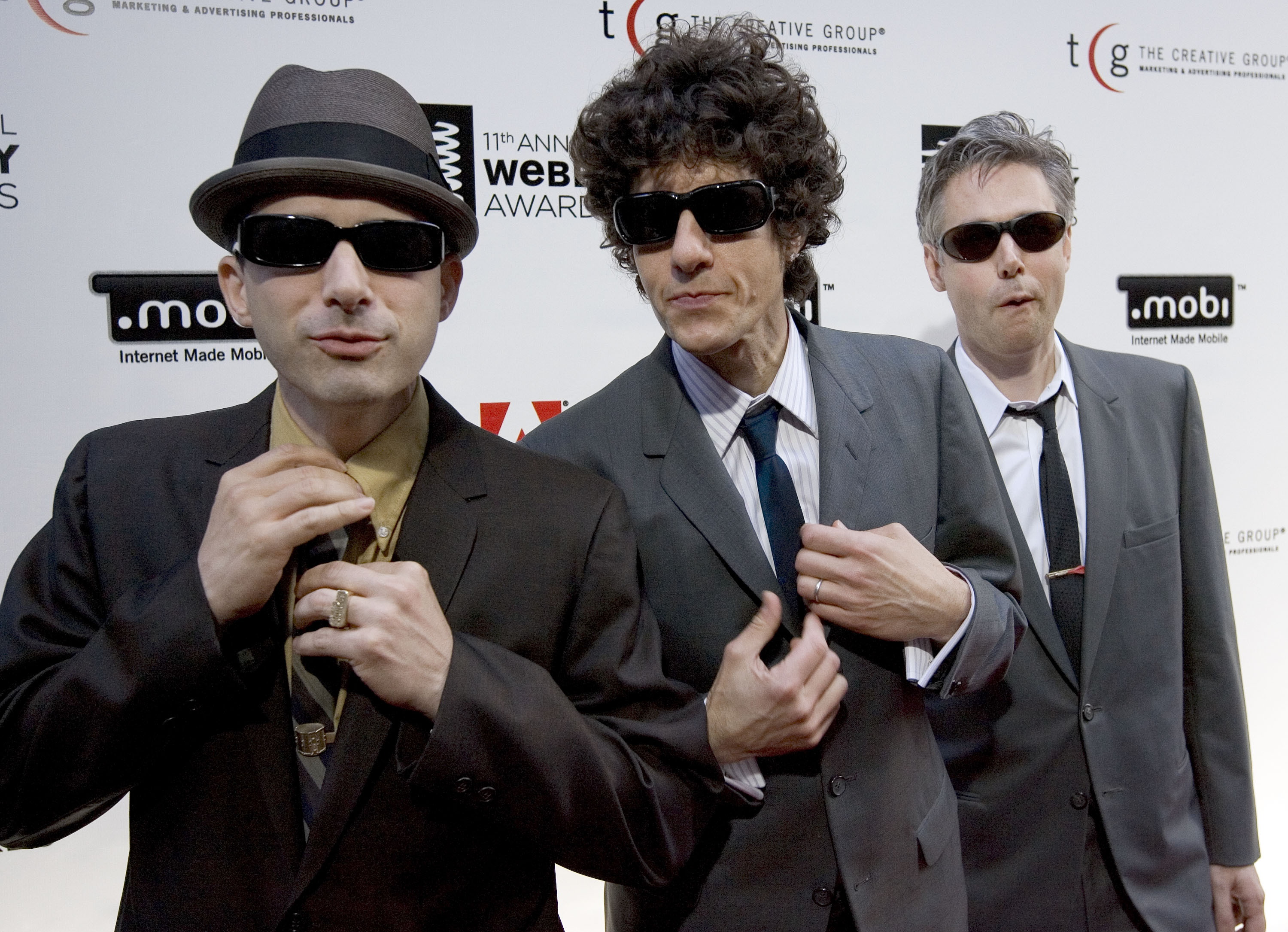
When Adam Yauch passed away in 2012, the Beastie Boys didn't just lose a member; they lost an ecosystem. MCA was the compass, the deep-voiced anchor who pointed the trio toward Tibetan freedom, punk-rock subversion, and a relentless, joyful amateurism. Without him, the machinery that birthed License to Ill and Paul's Boutique ground to a permanent halt. Adam Horovitz and Mike D walked away from the studio. The culture assumed the chapter was sealed in amber. Who wants to stitch together a three-headed monster when two of the heads are missing?
For years, Mike D did what people do when their legendary youth curls up in the rearview mirror. He lived. He curated, he produced here and there, he adjusted to a world where his daily routine no longer involved shouting rhymes into a Neumann U87 alongside his best friends. The music business became a place he visited rather than a place he lived. Making records felt like a language he used to speak fluently, now reduced to rusted schoolyard French.
Then came the domestic acoustics.
Imagine sitting in a kitchen where the walls are lined with gold records, listening to the ambient bleed of low-end bass thumping from a teenager's bedroom upstairs. That bedroom belonged to his son, Davis. Slowly, almost imperceptibly, a new circle of collaborators—including his sons Davis and Skyler, alongside producers and musicians like Carter Lang and Tyran Donaldson—began gathering. They weren't trying to decode the history of East Coast hip-hop. They were just kids messing around with old synths, drum machines, and loose, glitchy breakbeats.
There was no grand marketing strategy. No corporate boardrooms at Capitol Records sweating over a comeback narrative. There was just the clumsy, beautiful friction of family members passing a beat back and forth over the kitchen island.
Watching his sons build tracks from scratch acted as an emotional defrosting mechanism. Mike didn’t plan to make a record called Thank You. He just started drifting back into the studio because the pull of creation proved stronger than the fear of tarnishing a pristine legacy. He realized that the worst thing an artist can do is treat their own catalog like a museum exhibit.
The resulting music, released under his own name for the very first time in a legendary career spanning over four decades, sounds remarkably unburdened. Tracks like "Switch Up" and "Crypto" carry the jagged, snaggle-toothed pulse of early hip-hop fused with modern left-of-center electronics. They are catchy without being clean, rough around the edges like an old pair of chucks.
Consider what happens when a sixty-year-old icon stops trying to protect his myth. He gets free.
On the title track, Mike’s voice arrives slightly weathered, undeniably human, sliding off-key just enough to remind you that perfection is the enemy of soul. He sings about wasting time and writing another rhyme just to fill the hours. There is no attempt to recreate the anarchic teenage swagger of 1986. Instead, there is the quiet wisdom of a man who looked into the silence, accepted that the past is a foreign country, and decided to build a small, messy recording studio right there in the present.
The master tapes of the past remain untouched, locked in their vault of diamond-certified glory. But the garage door is open again. The amps are humming. And the beat goes on, not because the world demanded it, but because a father heard his sons making noise upstairs and remembered how much fun it was to make some of his own.