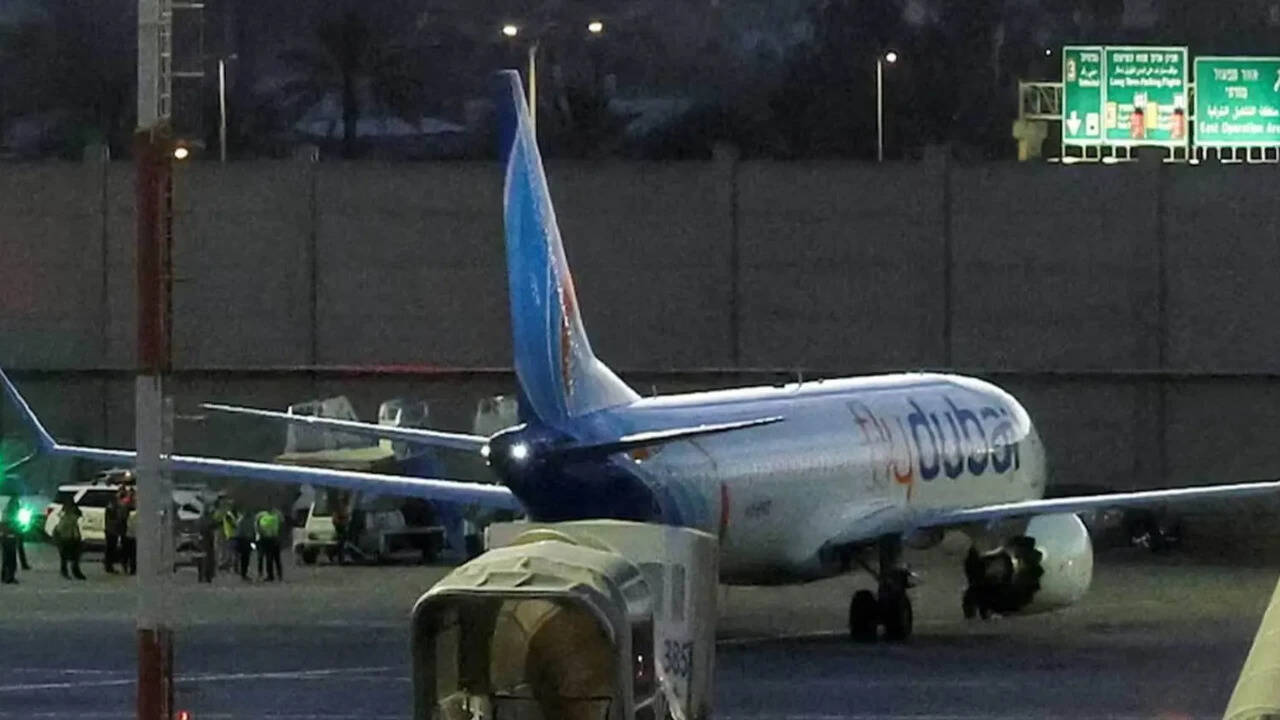
The mid-air security breach aboard Flydubai Flight 1073 and the subsequent transfer of the Omani co-pilot from Saudi custody to United Arab Emirates jurisdiction has exposed critical vulnerabilities in commercial aviation security architecture and triggered high-stakes diplomatic maneuvering. Beyond the immediate tactical heroism inside the cockpit, the episode serves as a stress test for regional intelligence-sharing, jurisdictional sovereignty, and the friction between geopolitical escalation and civil aviation protocols.
The Jurisdictional Matrix and State Custody
The handling of the suspect involves a complex interplay of state actors, each governed by distinct legal frameworks and political imperatives. The incident began when the aircraft, a Boeing 737 MAX registered in the UAE, diverted to Tabuk, Saudi Arabia, following a violent in-cockpit confrontation.
Saudi authorities exercised initial territorial jurisdiction by securing the aircraft, detaining the suspect, and conducting preliminary medical evaluations and interrogations. However, because the crime occurred on board an aircraft registered under UAE civil aviation laws, primary investigative authority under international aviation frameworks (such as the Tokyo Convention) defaults to the state of registration.
The subsequent transfer of the Omani national to the UAE establishes a formal custody chain that allows Emirati prosecutors to evaluate terrorism statutes, workplace radicalization vectors, and corporate security lapses. Concurrently, Israeli security officials operated within the investigative loop given that the flight was bound for Tel Aviv and the majority of passengers were Israeli citizens, highlighting a multi-lateral intelligence-sharing posture that bypasses standard bilateral limitations.
Attribution Mechanics and Strategic Deterrence
The intervention of United States leadership, marked by public assertions regarding potential Iranian involvement, introduces a secondary layer of risk analysis. In crisis strategy, the attribution of a rogue insider threat to a state sponsor requires empirical validation of three operational nodes:
- Command and control linkages between the operative and external intelligence handlers.
- Financial or logistical provisioning prior to mission execution.
- Ideological alignment or recruitment pathways verified through digital forensics.
While foreign intelligence assessments pointed toward isolated Islamist radicalization or personal psychological factors, presidential declarations warning of severe retaliation demonstrate how localized security anomalies are rapidly weaponized within broader regional conflicts, such as ongoing hostilities involving Tehran. This creates an analytical divergence between operational investigators—who must rely on forensic data from recovered electronics and flight data recorders—and executive leadership, whose rhetoric is dictated by deterrence signaling.
Operational Vulnerabilities in the Flight Deck
The incident underscores the inherent paradox of modern cockpit security. Post-9/11 hardened flight deck door protocols were engineered exclusively to prevent external unauthorized entry. They inadvertently created an internal security vacuum:
- Asymmetric Power Dynamics: Two individuals isolated behind a reinforced barrier possess absolute physical control over the aircraft, with zero real-time external override capabilities from the cabin.
- The Insider Threat Vector: Vetting protocols for commercial pilots typically emphasize technical competence, medical fitness, and baseline background checks. They struggle to detect rapid psychological decomposition or ideological radicalization occurring post-hire.
- Mitigation Frictions: While deadheading crew members and passenger intervention successfully averted disaster in this instance, relying on ad-hoc physical defense inside a pressurized, high-velocity cabin is a high-variance defense mechanism.
Future regulatory adjustments will likely focus on multi-factor cockpit authentication, mandatory psychological monitoring intervals, and enhanced procedural safeguards for pilot incapacitation scenarios. The strategic imperative for commercial carriers moving forward is transitioning from passive physical hardening to active behavioral anomaly detection within flight crews.
[Drilling down into the intelligence metrics and the precise timeline of the cockpit intervention, explore this breakdown of the event mechanics: Flydubai Flight Incident Analysis.]