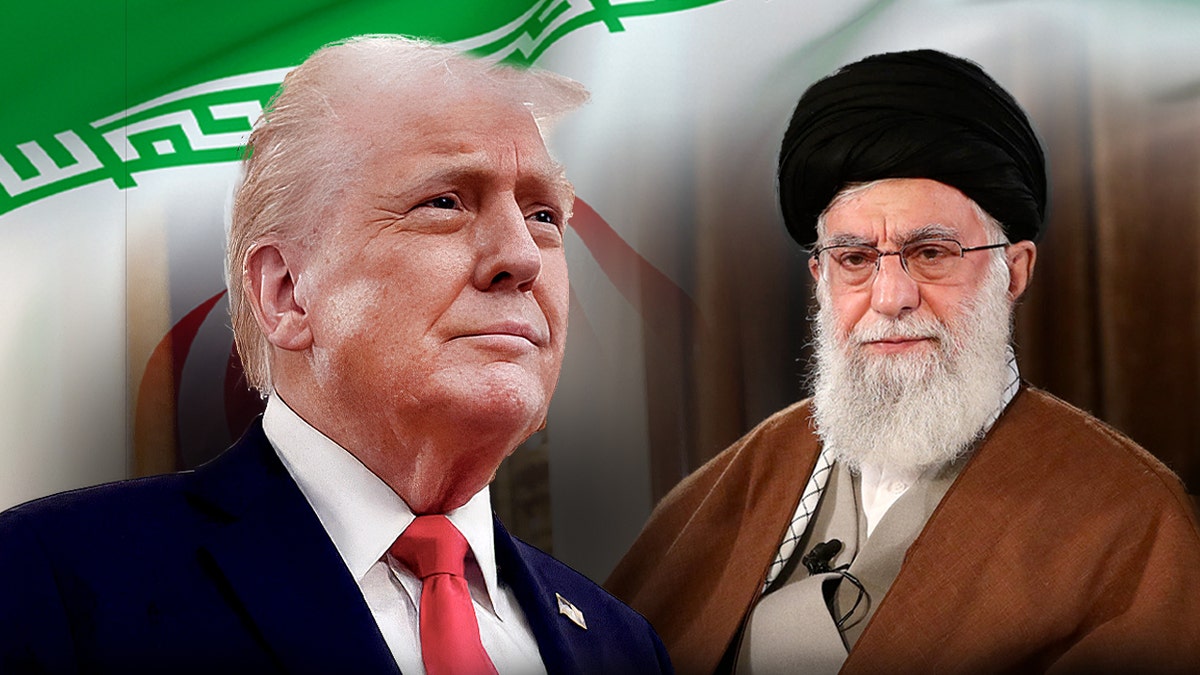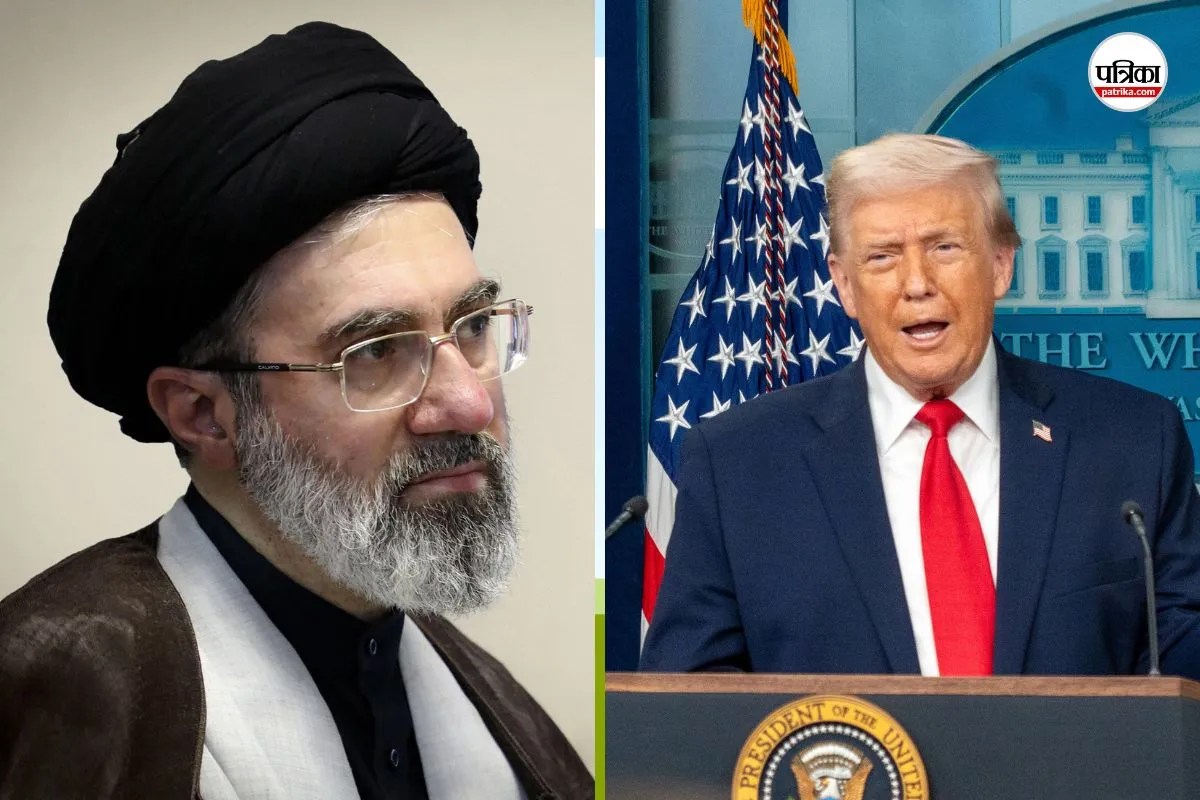
Iran’s refusal to utilize Pakistan as a venue for direct or indirect negotiations with the United States is not a mere preference for geography but a calculated response to a structural misalignment of national interests. While Islamabad frequently offers its services as a regional mediator to bolster its own diplomatic standing, Tehran’s strategic calculus operates on a different frequency. The Iranian leadership perceives Pakistan not as a neutral arbiter, but as a state constrained by its economic dependence on Western financial institutions and its historical military-to-military ties with Washington.
The Tripartite Credibility Gap
For any state to function as a diplomatic conduit, it must possess "asymmetric trust"—the ability to be viewed as an honest broker by one party while maintaining a functional relationship with the other. Pakistan fails this test in the context of US-Iran relations due to three specific friction points.
1. The Financial Leash and IMF Constraints
Pakistan’s chronic reliance on International Monetary Fund (IMF) bailouts creates a fundamental conflict of interest. Iran views Pakistan’s foreign policy as inherently susceptible to US pressure because Washington remains the most influential voice within the IMF’s executive board. Tehran reasons that any sensitive diplomatic backchannel hosted in Islamabad could be compromised or shut down if the US leveraged Pakistan’s debt obligations.
2. Intelligence Permeability
The Iranian security apparatus maintains a high degree of skepticism regarding the confidentiality of Pakistani soil. Decades of close cooperation between the CIA and Pakistan’s Inter-Services Intelligence (ISI) suggest to Tehran that any high-level meeting hosted in Islamabad would be subject to pervasive technical and human surveillance. Iran prefers venues like Muscat (Oman) or Doha (Qatar), where the "intelligence footprint" is more balanced or easier to monitor.
3. The Sectarian and Border Security Variable
The recurring instability in the Sistan-Baluchestan border region introduces a localized tactical risk. Iran frequently accuses Pakistan of failing to contain Sunni militant groups like Jaish al-Adl. Conducting high-stakes diplomacy in a state where Tehran feels its own territorial integrity is being undermined by local proxies creates a cognitive dissonance that the Iranian Foreign Ministry is unwilling to overlook.
Measuring the Sultanate of Oman vs The Islamic Republic of Pakistan
To understand why Iran bypasses Pakistan, one must examine the competitive advantages of the Omani model. Oman has successfully institutionalized its role as a "diplomatic safe house" through a policy of non-alignment that is vastly more consistent than Pakistan's shifting priorities.
- Sovereign Wealth vs. Debt: Unlike Pakistan, Oman’s diplomatic autonomy is backed by fiscal stability. It does not require external permission to host sanctioned entities.
- Operational History: The JCPOA (Joint Comprehensive Plan of Action) foundations were laid in Muscat. Iran values the "institutional memory" of Omani diplomats who understand the nuances of the nuclear file.
- Zero-Sum Security: Oman does not share a land border with Iran that is plagued by insurgency. This removes the "security tax" associated with arranging logistics for high-level delegations.
The Cost Function of Pakistani Mediation
Pakistan’s desire to mediate is driven by a need to increase its "geopolitical rent." By positioning itself as the bridge between Tehran and Washington, Islamabad seeks to avoid being sidelined in regional security discussions and hopes to earn diplomatic credits that can be converted into economic or military concessions from the West.
Tehran recognizes this "transactional mediation" and calculates that the cost of Pakistan’s involvement is too high. If Pakistan is the mediator, the process becomes about three parties instead of two. Every diplomatic breakthrough would be framed by Islamabad as a victory for its own regional leadership, potentially diluting Iran’s direct messaging to the White House.
The Shift in Iranian Regional Integration
Iran’s current strategy focuses on "Neighborhood Policy" (Siyasat-e Hamsayegi), which prioritizes economic integration over purely political mediation. While Iran is willing to trade with Pakistan—evidenced by the ongoing discussions surrounding the Iran-Pakistan (IP) gas pipeline—it strictly decouples economic necessity from strategic diplomacy.
The Iranian leadership has observed Pakistan’s inability to complete its portion of the pipeline due to fear of US sanctions. This serves as a real-world stress test. If Pakistan cannot muster the sovereign will to build a pipe for its own energy security due to US pressure, Tehran views it as logically impossible for Pakistan to provide a neutral, pressure-free environment for nuclear or regional security talks.
The Intelligence-Diplomacy Feedback Loop
A critical mechanism often overlooked is the internal hierarchy within the Iranian state. The Islamic Revolutionary Guard Corps (IRGC) holds significant sway over border security and regional intelligence. The IRGC’s assessment of the Pakistani military’s relationship with CentCom (United States Central Command) remains a primary blocker.
- Shared Airspace and Logistics: Pakistan’s historical provision of air corridors for US operations in Afghanistan signals a level of military integration that the IRGC finds threatening.
- Signal Intelligence (SIGINT): There is a standing assumption in Tehran that US signals intelligence assets are deeply embedded within Pakistani infrastructure.
Consequently, any diplomatic dialogue in Islamabad is treated as a "compromised environment" before the first meeting even begins.
Strategic Divergence on the Afghan Question
Since the US withdrawal from Afghanistan, the interests of Tehran and Islamabad have diverged significantly regarding the Taliban government. Pakistan views Afghanistan through the lens of "strategic depth" and its rivalry with India. Iran, conversely, views Afghanistan through the lens of water rights (the Helmand River) and the protection of Shia minorities (the Hazaras).
Pakistan's perceived role as the "architect" of the current Afghan reality makes it an interested party in any regional security discussion. Iran prefers mediators who have no "skin in the game" regarding its immediate borders. By choosing neutral ground like Switzerland or Oman, Iran ensures that the agenda remains focused on the US-Iran binary rather than being muddied by Pakistan’s local grievances or ambitions.
The Economic Barrier to Diplomatic Utility
For a country to be an effective mediator, it must offer some form of "security guarantee" or "economic bridge." Pakistan’s current economic fragility makes it a liability rather than an asset in this regard.
- Currency Volatility: The instability of the PKR makes it an unsuitable environment for hosting high-level delegations that require secure, independent financial logistics.
- Energy Deficit: Iran views Pakistan as a desperate energy consumer. This power dynamic—where one party is the supplier and the other is a struggling buyer—creates an inherent hierarchy that is conducive to trade but detrimental to the peer-level atmosphere required for sensitive diplomacy.
The Iranian strategy is therefore to keep Pakistan at an arm's length: a partner for border management and a potential market for energy, but never a confidant in the high-stakes game of nuclear survival.
The path forward for Tehran involves a continued bypass of South Asian intermediaries in favor of the Gulf’s "Neutrality Hubs." As long as Pakistan remains tethered to the financial and military architecture of the West, its offers of mediation will be received by Iran as tactical maneuvers rather than sincere diplomatic opportunities. Tehran’s endgame is direct engagement with the source of sanctions, and it views the "Pakistan route" as a detour that adds risk without providing any measurable increase in leverage.
The strategic play for the Iranian Foreign Ministry is to maintain the status quo of "cordial distance" with Islamabad. This allows Tehran to demand better border security and energy cooperation without owing Pakistan a seat at the table where Iran’s fundamental national interests—its nuclear program and regional influence—are negotiated. Islamabad will continue to be utilized for tactical coordination on the border, but the "Big Deal" with Washington will remain a strictly Omani or Qatari affair.