The convergence of a $110-per-barrel oil price floor and a shifting diplomatic stance toward Iranian exports creates a high-stakes equilibrium that global energy markets are currently struggling to price. While surface-level reporting focuses on the timing of a political address, the underlying reality is governed by a precise interplay between global spare capacity, inflationary pressure on the domestic consumer, and the logistical bottlenecks of reintroducing sanctioned barrels into a tight market. The stability of the global energy complex rests not on the rhetoric of the proposal, but on the execution of a strategy that balances the immediate need for price relief against the long-term risk of regional destabilization.
The Macroeconomic Pressure Valve
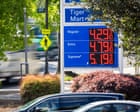
The $110 threshold represents more than a psychological barrier; it is a point of significant economic friction. At this price level, the energy component of the Consumer Price Index (CPI) begins to cannibalize discretionary spending, threatening to trigger a broader economic slowdown. The administration’s pivot toward an "Iran proposal" is a direct response to this cost-push inflation.
To understand the urgency, one must analyze the Energy-to-GDP Ratio. When energy costs exceed a specific percentage of a nation's GDP, history shows a high probability of recessionary contraction. By signaling a potential deal with Tehran, the executive branch attempts to inject "verbal liquidity" into the market—lowering prices through expectation before a single physical barrel is even moved. This tactic, however, has a diminishing rate of return if not followed by a concrete increase in supply.
The Three Pillars of Oil Market Volatility
Current price action is driven by three distinct structural forces that any new proposal must address to be effective.
- Supply Elasticity Deficit: Global spare capacity is concentrated in a handful of OPEC+ nations that have shown little appetite for aggressive production hikes. Without a significant new entrant—like a fully de-sanctioned Iran—the market remains vulnerable to even minor supply disruptions.
- The Geopolitical Risk Premium: Markets currently bake in a "fear factor" of $15 to $20 per barrel. This premium accounts for potential kinetic conflict in the Middle East and the weaponization of energy exports. A credible proposal to reintegrate Iran could theoretically shave this premium off the top, regardless of the physical volume delivered.
- Inventory Depletion: Global commercial inventories are hovering at multi-year lows. This lack of a buffer means that any increase in demand, however marginal, results in an outsized price response.
Quantifying the Iranian Supply Potential
The effectiveness of any diplomatic proposal is limited by the physical realities of the Iranian oil infrastructure. Strategic analysis requires a breakdown of what Iran can actually bring to the table in the short and medium term.
- Floating Storage Utilization: Iran currently holds millions of barrels of crude and condensate in tankers offshore. This "on-water" inventory can be deployed almost immediately upon the lifting of sanctions, providing an initial shock to the downside of the price curve.
- Production Ramp-up Velocity: While Iran claims it can return to pre-sanction levels of approximately 3.8 million barrels per day (mb/d) within weeks, technical reality suggests a slower trajectory. Years of underinvestment in oil field maintenance and the lack of Western technology create a friction point. A more realistic forecast suggests an incremental 500,000 to 800,000 barrels per day within the first six months.
- Quality and Grade Matching: Not all crude is created equal. Iranian Heavy and Light grades must find specific refinery configurations. If European and Asian refineries are already optimized for different blends, the "bridge" to re-entry may involve significant price discounting, further complicating the global price index.
The Cost Function of Diplomatic Re-engagement
The decision to address an Iran proposal is not a binary choice but a complex cost-benefit calculation. The administration faces a "Trilemma of Interests" where it can only maximize two of the following three variables:
- Low Domestic Energy Prices
- Regional Security and Non-proliferation
- Domestic Political Capital
To achieve lower prices, the administration may have to sacrifice a portion of its non-proliferation goals or face a backlash from domestic factions that view any deal with Tehran as a strategic retreat. The "proposal" mentioned in current headlines is an attempt to find a middle ground—likely a "less-for-less" deal where partial sanctions relief is exchanged for limited nuclear or regional concessions.
Structural Bottlenecks in the Proposal Framework
Even if a proposal is accepted, several "circuit breakers" could prevent it from cooling the $110+ market.
The Logistics of Re-entry
Re-establishing legal trade routes for Iranian oil involves more than just signing a document. Insurance providers, shipping companies, and banks require "Comfort Letters" from the Treasury Department to ensure they will not be hit with secondary sanctions. The time lag between a political announcement and the first legal bank transfer for an oil shipment is often measured in months, not days.
OPEC+ Counter-moves
The global oil market is a zero-sum game in terms of market share. If Iran brings 1 million barrels back to the market, other members of OPEC+ may choose to restrict their own production to maintain the $100+ price floor. The "proposal" must therefore be navigated in tandem with Riyadh and Abu Dhabi to ensure it does not trigger a retaliatory supply cut that negates the Iranian influx.
The Refined Product Gap
The current price surge is driven as much by a lack of refining capacity as it is by a lack of crude oil. If global refineries are already running at 95% capacity, adding more Iranian crude will not necessarily lead to cheaper gasoline or diesel. It may simply result in a surplus of crude and higher refining margins, leaving the end consumer with little relief.
Deciphering the Timing of the Address
The choice to address this proposal "soon" is a calculated move to manage market psychology during a period of peak seasonal demand. Spring and summer driving seasons in the Northern Hemisphere traditionally see a spike in consumption. By timing the announcement now, the administration seeks to cap the rally before it reaches the $120 mark, which many analysts believe is the "demand destruction" point where consumers fundamentally change their behavior.
The "Proposal" should be viewed as a tool of Macro-Prudential Management. It is a signal to speculators that the current price trajectory is unsustainable and that the government is willing to utilize every lever, including controversial diplomatic ones, to force a correction.
The Impact on Global Trade Flows
A successful re-integration of Iranian oil would fundamentally rewire global trade routes.
- The Eastward Shift: Currently, much of Iran's "shadow" exports go to China. A formal deal would allow these barrels to flow back to traditional buyers in Japan, South Korea, and the European Union. This would alleviate the pressure on North Sea and West African grades, which have seen their premiums skyrocket as Europe tries to diversify away from other sources.
- The Tanker Market: The "Dark Fleet" of aging tankers currently used to transport sanctioned oil would likely be mothballed or scrapped if trade becomes legal again. This would tighten the supply of available tankers for other routes, potentially increasing shipping rates and adding a different kind of cost pressure to the market.
Assessing the Credibility Gap
The primary risk to this strategy is a lack of credibility. If the "proposal" is perceived as a rehash of previous failed negotiations, the market will likely "fade" the news. Traders are looking for specific triggers:
- Waivers for Specific Buyers: The issuance of Significant Reduction Waivers (SRWs) to countries like India or Turkey would be a tangible sign of progress.
- Technical Nuclear Compliance: Verification from the IAEA that Iran is meeting specific benchmarks would provide the political cover necessary for sanctions relief.
- The 'Snapback' Mechanism: Any deal must include a clear, enforceable way to reimpose sanctions if terms are violated. Without this, the proposal will face insurmountable opposition in the legislature.
The Displacement of the Dollar
The use of oil as a geopolitical weapon has accelerated the search for alternative settlement currencies. Any deal with Iran will likely involve complex financial workarounds. Whether these involve the Euro, the Yuan, or a new digital clearing system, the long-term implication is a gradual erosion of the "Petrodollar" system. This shift has profound implications for US Treasury demand and the ability of the United States to export its inflation.
Strategic Trajectory
The coming address regarding the Iran proposal will be a pivot point for the fiscal year. To navigate this period, market participants and policy observers should prioritize the following actions:
- Monitor the Spread: Watch the price difference between Brent and West Texas Intermediate (WTI). A narrowing spread would indicate that the market expects more global supply (like Iran's) to become available, reducing the premium on non-US barrels.
- Analyze Refinery Throughput: Ignore crude price in isolation. Watch utilization rates at major global hubs. If they remain maxed out, even a successful Iran deal will fail to lower pump prices.
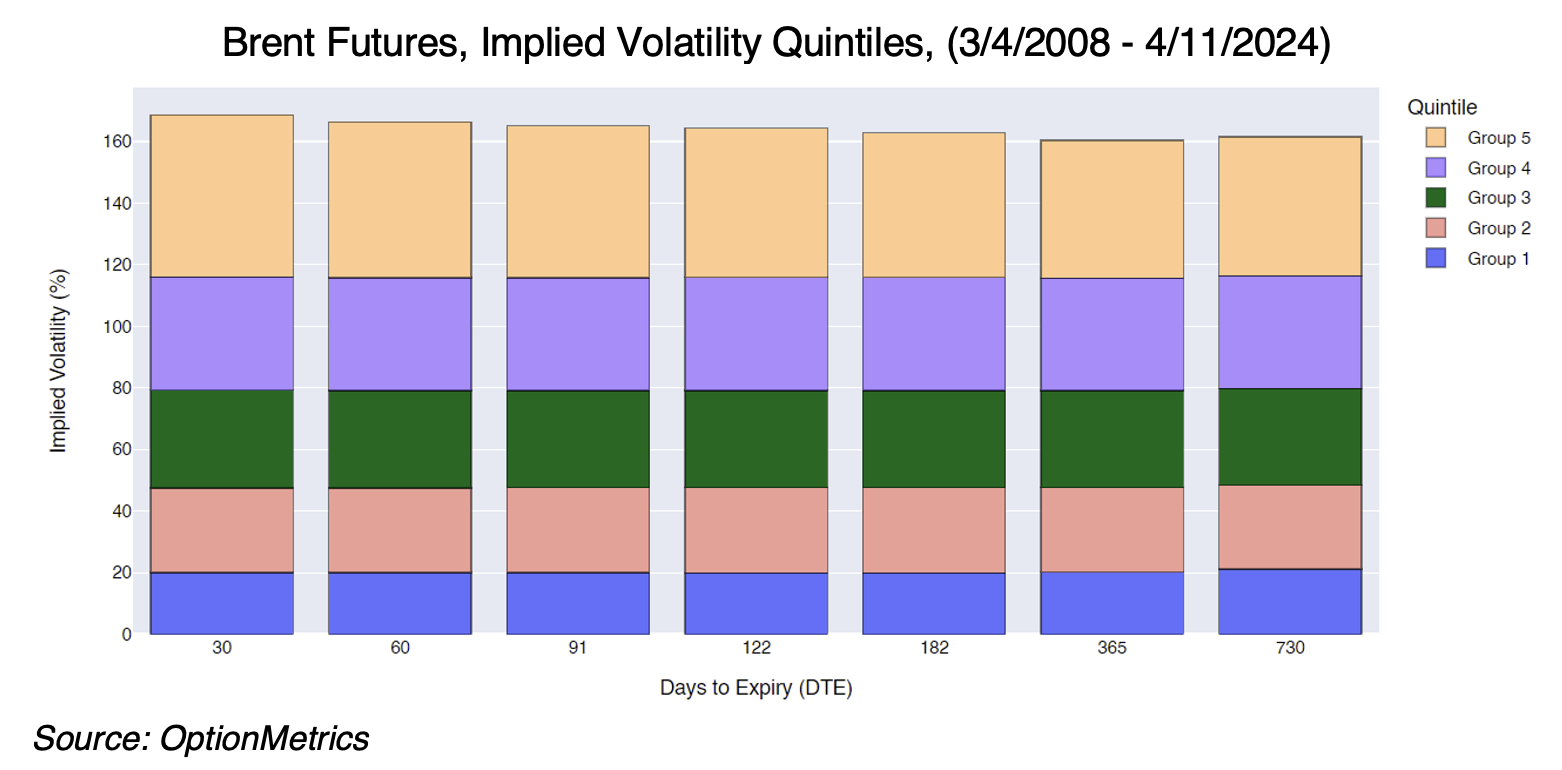
- Hedge for Volatility: The period between the announcement of a proposal and its implementation is a "valuation vacuum." Expect 5% to 10% daily swings as rumors of the deal’s success or failure circulate.
The administration’s move is a recognition that the current $110 floor is a threat to domestic stability. However, the proposal’s success depends entirely on its ability to overcome the structural inertia of the energy market and the deep-seated distrust of the geopolitical actors involved. The speech is the starting gun for a sprint toward a new, and likely fragile, global energy equilibrium.