The Backchannel Fantasy
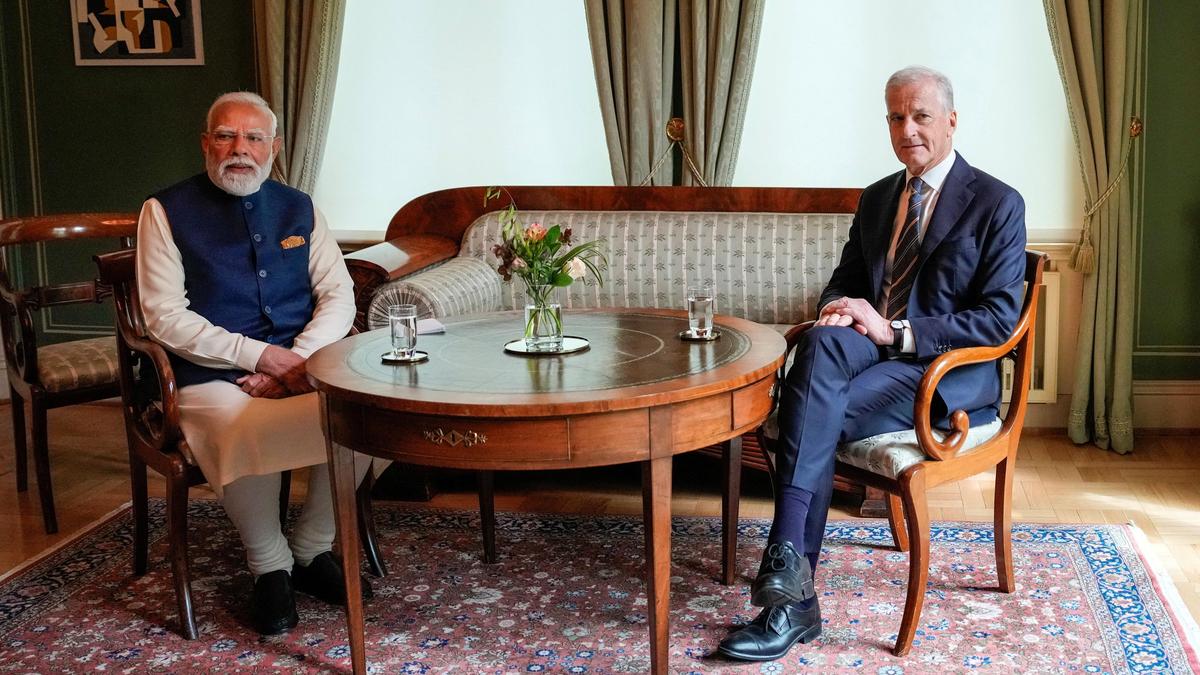
Western leaders are trapped in a loop of polite, desperate wishful thinking. The latest manifestation is Norwegian Prime Minister Jonas Gahr Støre publicly hoping that Indian Prime Minister Narendra Modi will use his "channels to Russia" to help secure a ceasefire in Ukraine.
It is a beautiful, comforting narrative. It imagines the world as a global high school where the popular kid (India) can pull the angry outcast (Russia) aside in the hallway and convince him to stop fighting.
It is also complete nonsense.
The belief that New Delhi can or will act as a peace broker misreads Indian foreign policy, misunderstands the mechanics of the Kremlin, and ignores the brutal realities of wartime economics. Western diplomats keep begging India to step in because they want a shortcut out of a grueling conflict. But India is not looking for an exit strategy. New Delhi is playing a completely different game.
The Illusion of Strategic Leverage
Let's dismantle the foundational myth: the idea that India possesses the kind of leverage over Moscow that could force a ceasefire.
The conventional argument claims that because India is now one of the largest buyers of Russian crude oil, New Delhi holds the economic steering wheel. This is basic supply-and-demand illiteracy.
Diplomacy does not operate on a simple transactional spreadsheet. If India threatens to cut off Russian oil imports to pressure Vladimir Putin, two things happen immediately:
- Global oil prices skyrocket, triggering inflation across the West and hurting India's own developing economy.
- Russia simply diverts more crude to China or secondary shadow fleets, while digging its heels in deeper out of spite.
The Reality Check: India’s relationship with Russia is not built on shared values or ideological alignment. It is built on deep structural dependencies, primarily defense logistics and fertilizer imports. You do not burn down your house to satisfy your neighbor's sense of moral outrage.
I have spent years analyzing regional security architectures, and if there is one constant, it is that India prioritizes its own strategic autonomy above all else. New Delhi views Western pressure to intervene not as an invitation to global leadership, but as an attempt to conscript India into a Western-designed sandbox.
Dismantling the "People Also Ask" Delusions
When people look at this conflict, the questions they ask reveal a deep misunderstanding of Asian geopolitics. Let’s answer them honestly.
Why won't India condemn Russia's actions?
Because doing so offers zero strategic return and carries immense risk. India’s primary existential threat is China. For decades, Russia has been India's reliable veto provider at the United Nations Security Council regarding Kashmir. More importantly, keeping Moscow close prevents Russia from falling completely into a total client-state alignment with Beijing. If India abandons Russia, it pushes Putin directly into the arms of Xi Jinping. That is a geopolitical nightmare New Delhi will never accept.
Can Prime Minister Modi convince Putin to talk?
Modi can ask. He has famously told Putin that "today’s era is not an era of war." But there is a massive gulf between diplomatic rhetoric and structural compliance. Putin is fighting for what he perceives as Russia’s historical survival. He is not going to abandon a multi-year military campaign because a trading partner asks him to be reasonable.
Is India benefiting from the war in Ukraine?
Yes. And pretending otherwise is hypocrisy. By purchasing discounted Russian Urals crude and refining it for domestic use and export, India has insulated its population from the energy shocks that crippled Europe. It is a masterclass in national self-interest.
The Costs of the Contrarian Stance
To be fair, India's stubborn neutrality is not a cost-free strategy. It strains relations with Washington and Brussels. It creates friction within the Quad alliance (US, Japan, Australia, India). It makes India look indifferent to the foundational tenets of state sovereignty in the eyes of the Global North.
But New Delhi has calculated those costs and decided they are manageable. The West needs India as a counterweight to China far too much to genuinely punish it for buying Russian oil.
Stop Asking for Peace Brokers, Start Looking at the Map
The Norwegian Prime Minister’s plea is a symptom of a larger disease: the outsourcing of Western strategic responsibility.
Wars do not end because a third-party intermediary delivers a moving speech. They end when one side can no longer sustain the material cost of fighting, or when both sides reach a point of absolute exhaustion. India will continue to balance its ties, host summits, and issue vague communiqués about peace. But anyone waiting for New Delhi to deliver a breakthrough ceasefire is waiting for a mirage.
India is not the referee of this conflict. It is a spectator buying cheap fuel from the stadium concession stand, watching the field, and waiting for the dust to settle.