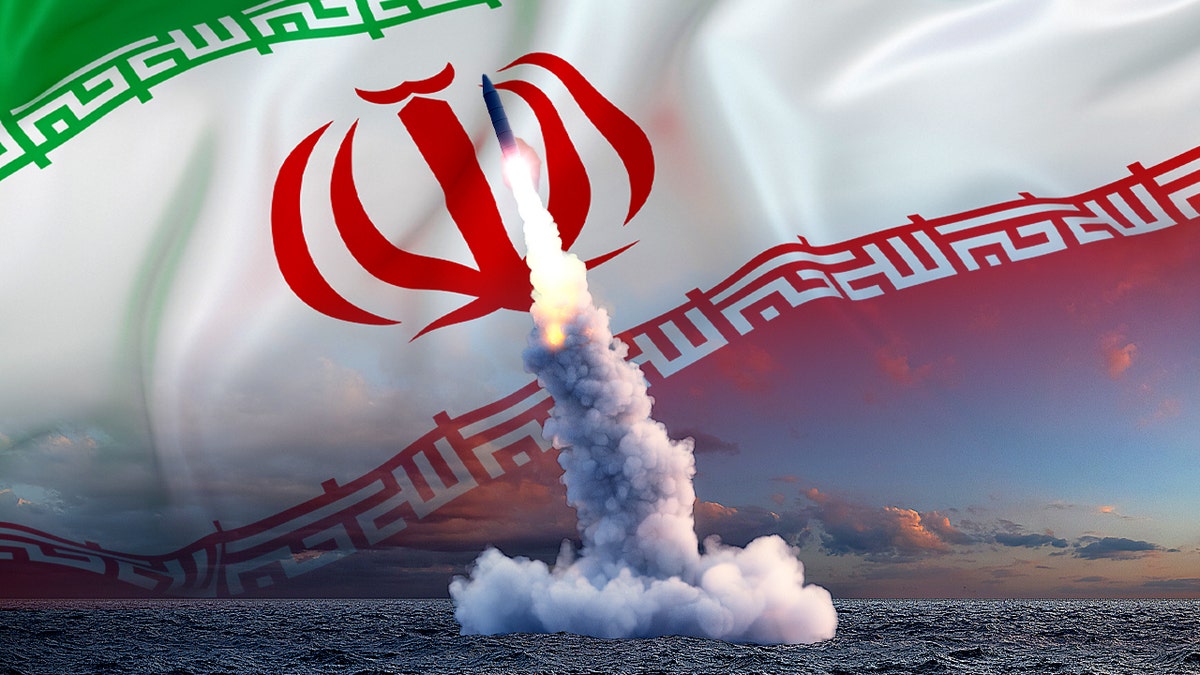
The current impasse between Tehran and the incoming United States administration is not a product of diplomatic friction, but a structural collision between two incompatible survival strategies. To understand the current breakdown in "face-saving" negotiations, one must analyze the Iranian regime’s refusal to grant President-elect Donald Trump a symbolic exit from the maximum pressure framework. This refusal is a calculated move to preserve internal domestic legitimacy and regional signaling power, even at the cost of continued economic isolation.
The Face-Saving Equation in Asymmetric Diplomacy
In high-stakes geopolitics, a "face-saving exit" is a transactional asset where one party grants the other a symbolic victory to facilitate a material retreat. For the Trump administration, the desired output is a "better deal"—a broader agreement covering ballistic missiles and regional proxies that allows for the claim of having corrected the flaws of the 2015 Joint Comprehensive Plan of Action (JCPOA).
The failure of this transaction stems from a fundamental divergence in how "victory" is defined by both actors:
- The American Requirement: A public concession or high-profile summit that validates the efficacy of unilateral sanctions.
- The Iranian Requirement: The removal of sanctions as a prerequisite for, rather than a result of, negotiations, coupled with a refusal to reward what they characterize as "economic terrorism."
This creates a zero-sum game. If Iran provides the optics Trump needs to pivot away from confrontation, it risks signaling to its internal hardliners and regional "Axis of Resistance" that the Islamic Republic can be coerced through financial strangulation.
The Three Pillars of Iranian Resistance Strategy
Iran’s refusal to provide an "exit" for the U.S. executive is predicated on three distinct strategic calculations:
1. The Precedent of Verification
Tehran views the 2018 U.S. withdrawal from the JCPOA not as an isolated policy shift, but as a systemic failure of American reliability. Within the Iranian Supreme National Security Council, the dominant logic suggests that granting a face-saving victory to a leader who previously discarded a signed treaty provides no long-term security. The "Cost of Re-entry" for the U.S. is now viewed through the lens of legal guarantees—something the U.S. executive branch cannot constitutionally provide in a way that binds future administrations.
2. Domestic Audience Costs
The Iranian political structure is currently optimized for "Resistance Economy" narratives. For the Khamenei-led establishment, the internal risk of appearing to "bow" to Washington outweighs the marginal economic utility of immediate sanctions relief. If the regime accepts a symbolic defeat to help Trump save face, it undermines the ideological foundation that justifies the hardships endured by the Iranian population under the sanctions regime.
3. Regional Hegemony Signaling
Iran’s influence in Lebanon, Iraq, Yemen, and Syria relies on the perception of Tehran as an immovable counter-hegemonic force. A visible concession to the Trump administration would degrade this brand, potentially emboldening regional rivals and weakening the cohesion of its proxy network.
The Maximum Pressure Paradox
The "Maximum Pressure" campaign operates on the assumption that economic pain eventually forces a rational actor to the negotiating table. However, this framework misses the Sovereignty Premium—the value an authoritarian regime places on maintaining the appearance of absolute autonomy.
When the U.S. demands a deal that includes "face-saving" elements for itself, it effectively asks Iran to pay a "Dignity Tax." In the current Iranian calculus, the marginal cost of continued sanctions is lower than the political cost of paying this tax. This creates a bottleneck where the U.S. cannot de-escalate without looking weak, and Iran cannot negotiate without looking defeated.
The Mechanics of the Exit Deficit
The "Exit Deficit" refers to the gap between the minimum symbolic victory Trump requires to justify a policy shift and the maximum symbolic concession Iran is willing to grant.
- Trump’s Minimum: A photo-op or a signed "Framework" that looks more comprehensive than the JCPOA.
- Iran’s Maximum: Technical, low-level discussions on nuclear limits in exchange for immediate, verifiable frozen asset releases.
The overlap between these two sets is currently null. The Gulf officials reporting on this impasse recognize that Tehran is intentionally widening this gap. By refusing to engage in the theater of diplomacy, Iran is betting that the U.S. will eventually face a binary choice: total regional war or a quiet, uncredited de-escalation.
Structural Bottlenecks in the Negotiation Pipeline
Beyond the "face-saving" optics, several structural factors prevent a breakthrough:
- The Sunset Clause Tension: Any new deal would likely demand an extension of the "sunset clauses" in the original nuclear agreement. For Iran, these dates are non-negotiable legal milestones.
- The Compensation Variable: Iran has frequently floated the idea of "compensation" for the economic damage caused by the U.S. withdrawal from the JCPOA. While politically impossible for any U.S. president to grant, it remains a standard Iranian opening gambit to stall proceedings.
- The Assassination Legacy: The 2020 killing of Qasem Soleimani remains a visceral barrier to "face-saving" diplomacy. For the Iranian leadership, engaging in a PR-friendly negotiation with the individual who ordered the strike is viewed as a betrayal of the state's martyr ideology.
Risk Assessment of the Non-Cooperation Path
The Iranian decision to withhold a diplomatic exit carries significant risks that the regime appears prepared to absorb:
- Economic Attrition: The Iranian Rial's continued volatility and the depletion of foreign exchange reserves.
- Military Escalation: Without a diplomatic "off-ramp," the probability of miscalculation in the Persian Gulf or through proxy attacks increases.
- The Israeli Factor: A lack of U.S.-Iran diplomatic movement gives the Israeli government more latitude to pursue kinetic options against Iranian nuclear infrastructure, potentially dragging the U.S. into a conflict it intended to avoid.
The Strategic Shift Toward Moscow and Beijing
The refusal to cooperate with the U.S. "face-saving" requirement is facilitated by Iran’s "Look to the East" policy. By strengthening ties with Russia (via military hardware exchanges) and China (via long-term energy agreements), Tehran is attempting to build a sanctions-resilient ecosystem. This pivot reduces the leverage of the U.S. Treasury, making the "Maximum Pressure" campaign less of an existential threat and more of a manageable chronic condition.
This shift changes the negotiation math. If Tehran believes that its future prosperity lies in the Shanghai Cooperation Organisation (SCO) and the BRICS+ framework rather than the Western financial system, its incentive to help a U.S. president "save face" vanishes.
The Recommendation for a Deadlocked Administration
The U.S. must recognize that "face-saving" is a luxury Tehran is currently unwilling to sell. If the objective is to prevent nuclear breakout and regional conflagration, the administration must pivot away from high-profile symbolic demands and toward "Quiet De-escalation."
This involves:
- Establishing back-channel communications focused on technical "stops" rather than political "starts."
- Decoupling nuclear negotiations from regional proxy issues in the short term to lower the barrier to entry.
- Utilizing regional intermediaries (Oman or Qatar) to facilitate "shadow" compliance where both sides take reciprocal actions without the need for a public signing ceremony.
The current path—waiting for Iran to blink and provide a trophy for the American executive—is a strategy based on a misreading of Iranian internal stability and its commitment to the "Resistance" doctrine. The most effective move is to bypass the requirement for a "face-saving exit" entirely and focus on a cold, transactional reduction of nuclear enrichment levels in exchange for specific, incremental sanctions waivers. Anything else is a performance that Tehran has already refused to join.