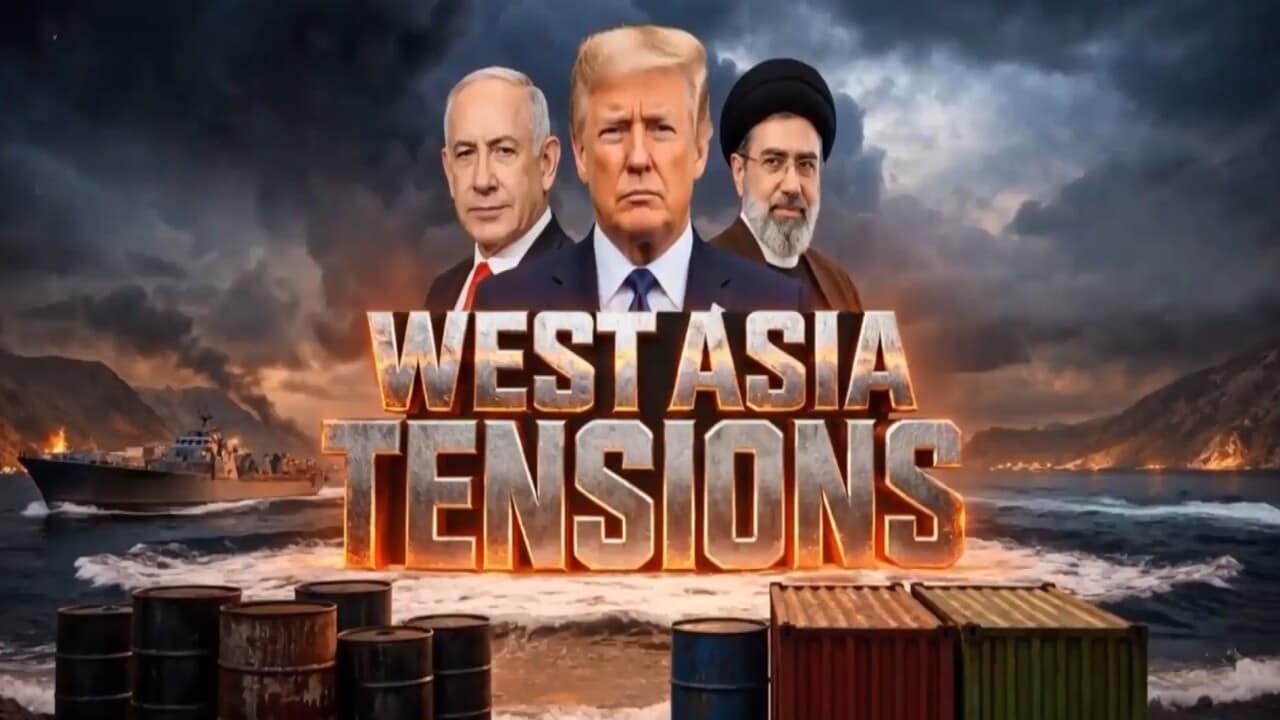
The assumption that a centralized diplomatic intervention can resolve the structural conflict between Israel and Iran misinterprets the kinetic reality on the ground. Diplomatic declarations of an impending memorandum of understanding overlook the immutable divergence in regional security requirements. The conflict is not a miscommunication capable of being arbitrated by transactional negotiation; it is a highly calculated equilibrium governed by regional deterrence calculations, asymmetric attrition, and non-negotiable red lines regarding nuclear latency.
A sustainable de-escalation framework requires analyzing the strategic friction points through three distinct operational variables: the Iranian nuclear inventory threshold, the maritime transit security function of the Strait of Hormuz, and the independent security priorities of America's principal regional ally, Israel. When these elements are quantified, the probability of a durable, near-term diplomatic breakthrough approaches zero.
The Nuclear Cost Function and the Verification Failure
The primary structural bottleneck to any permanent settlement is the disposition of Iran's highly enriched uranium (HEU) stockpile. The diplomatic initiatives mediated via Pakistan have focused on a sequential compromise: Iran dilutes a portion of its HEU and transfers the remainder to a third-party state in exchange for targeted sanctions relief and the unfreezing of capital assets.
This model fails due to a basic asymmetry in verification and asset permanence.
[Iranian Nuclear Latency Status] ──> [Stockpile Relocation Proposal] ──> [Verification Asymmetry Bottleneck]
                                                                                   │
                                                                                   ▼
                                                                     [Irreversible Asset Release]
- Asset Irreversibility: Financial concession mechanisms—such as unfreezing overseas bank accounts or lifting primary maritime trade sanctions—are functionally irreversible once executed. Released capital is immediately absorbed into domestic budgets, neutralizing the prospective leverage of the sanctioning body.
- Knowledge Retention: The physical relocation of a fissile material stockpile does not degrade the underlying technological infrastructure, centrifuge manufacturing capabilities, or intellectual capital required to resume enrichment.
- The Inspection Paradox: Restoring the International Atomic Energy Agency (IAEA) Additional Protocol requires access to undeclared military installations. Because these installations double as command-and-control nodes for Iran's conventional ballistic missile forces, the state perceives unfettered inspections as an unacceptable vulnerability to its regime survival architecture.
Because the knowledge and infrastructure required to achieve nuclear latency cannot be un-invented, any agreement based on temporary material relocation creates a transient pause rather than a structural resolution. The core strategic calculation for Tehran remains unchanged: nuclear latency is the ultimate guarantor against forced regime change.
Maritime Chokepoints and Asymmetric Leverage Architecture
The second variable destabilizing the ceasefire framework is the operational mechanics of the Strait of Hormuz. The current U.S. strategy pairs an active naval blockade of Iranian ports with demands for the unconditional reopening of the strait to global energy shipping. This approach miscalculates the asymmetric economic leverage available to a littoral power.
The Strait of Hormuz functions as a high-yield, low-cost economic lever for Tehran. Enforcing a blockade or disrupting commercial traffic requires minimal capital expenditure—utilizing anti-ship cruise missiles, smart sea mines, and fast attack craft—while imposing compounding global macroeconomic costs via maritime insurance premiums and energy supply shocks.
Iranian Disruption Capabilities (Low Capital Cost)
  ├── Anti-Ship Cruise Missiles
  ├── Smart Sea Mines
  └── Fast Attack Craft
        │
        ▼
Global Macroeconomic Friction (High Compounding Cost)
  ├── Surging Maritime Insurance Premiums
  └── Energy Supply Chain Disruption
A naval blockade implemented by external superpowers cannot permanently neutralize this asymmetric capability without an extended, high-intensity campaign targeting deeply buried inland missile storage facilities and mobile launchers. Consequently, demanding that Iran permanently forfeit its maritime leverage while maintaining domestic economic sanctions introduces an unfeasible cost imbalance. Tehran cannot trade its primary mechanism for imposing costs on the global economy in exchange for a temporary pause in direct military engagement.
The Sovereignty Divergence: Why Allied Alignment is Broken
The third, and perhaps most volatile, structural barrier is the divergence in strategic objectives between Washington and Jerusalem. While the United States views the theater through a macro-stabilization lens—seeking to minimize global energy price spikes and limit military commitments—Israel operates under an existential survival mandate.
This operational divergence manifests in the theater-specific decoupling of military actions:
- The Lebanon Separation: Israel’s strategic doctrine treats the northern front not as a secondary theater of the Iran conflict, but as an independent threat vector. Israel's continued campaign against regional paramilitary networks despite a broader Washington-led ceasefire demonstrates that allied operations are fundamentally uncoordinated at the strategic level.
- Target Selection Priority: The June 2025 kinetic exchanges demonstrated Israel’s capability to systematically bypass conventional air defense systems to strike critical commanding infrastructure and military production nodes. Having verified this tactical superiority, the Israeli defense establishment views the current degradation of Iranian state infrastructure as a critical window to permanently reset regional deterrence, making them highly resistant to externally imposed constraints.
- The Escalation Dominance Equation: Washington seeks a return to status quo ante structures. Conversely, Israel views the status quo ante as an unacceptable condition that allowed the expansion of precise missile arrays along its borders.
Because the United States cannot fully insulate Israel from the long-term consequences of an inaccurate settlement, it lacks the political leverage to enforce absolute compliance on its ally. Any agreement negotiated exclusively between Washington and Tehran via third-party mediators remains highly vulnerable to unilateral disruption by regional actors responding to immediate localized threats.
The Strategic Path Forward
A realistic evaluation of the theater indicates that the current ceasefire framework will continue to experience localized breakdowns. Rather than pursuing a single, comprehensive peace treaty—a strategic impossibility given the current geopolitical variables—analysts and policymakers must pivot to a model of managed conflict containment.
The optimal strategy requires transitioning from a framework of total settlement to one of explicit conflict boundaries. This involves setting clear thresholds on uranium enrichment levels and establishing direct tactical communication channels to prevent miscalculations in international waters, while acknowledging that a systemic resolution is unachievable under current regional governance models. The conflict cannot be negotiated to an end; it can only be managed within calculated thresholds of mutual survival.


