International statecraft and macroeconomic stability operate through distinct structural incentives. When sovereign entities realign diplomatic ties or confront extreme meteorological shocks, the resultant friction exposes the vulnerabilities of globalized supply chains and multilateral dependencies. Analyzing these shifts requires moving beyond descriptive journalism to quantify the underlying mechanisms of political leverage and environmental risk.
The Mechanics of Diplomatic Leverage
Bilateral realignments rarely occur in a vacuum; they represent a calculated re-evaluation of trade-offs between economic integration and sovereignty. When a nation shifts diplomatic recognition—such as Honduras transitioning its official ties from Taipei to Beijing—it alters the baseline expectations governing foreign direct investment, infrastructure contracts, and regulatory oversight.
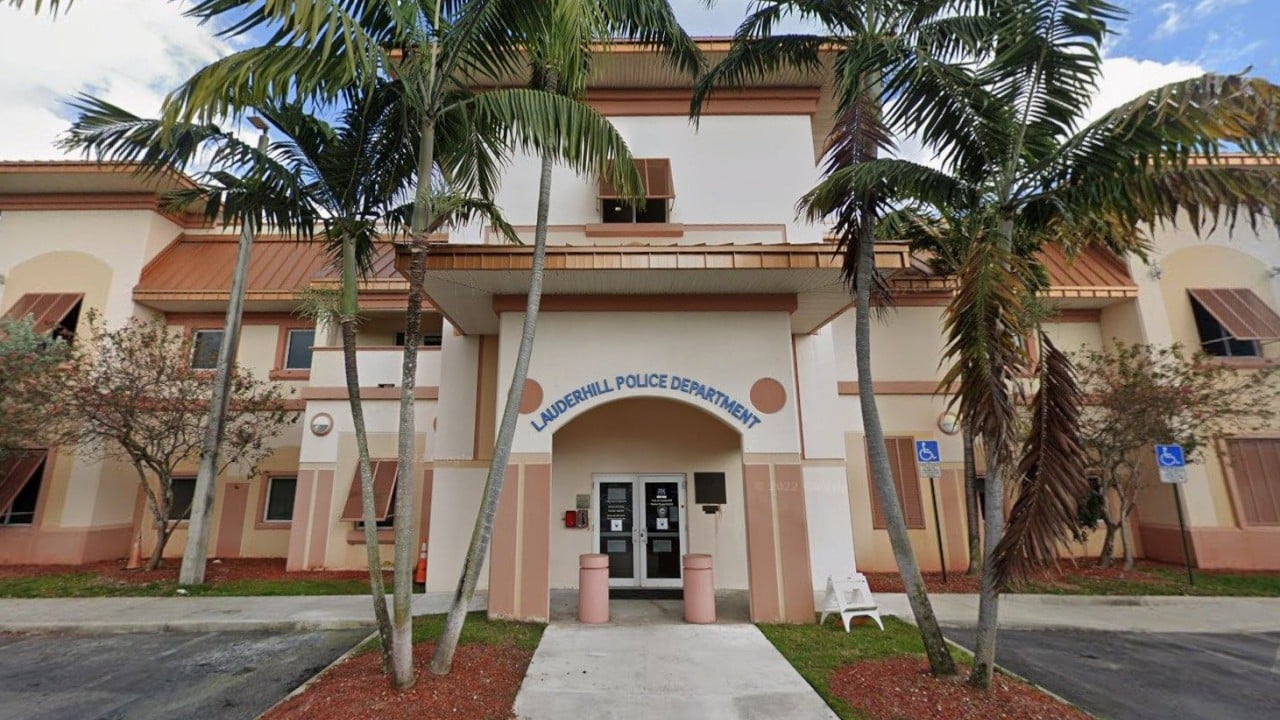
The subsequent friction points, characterized by administrative scrutiny over state-backed contractors and localized commercial entities, function as regulatory signaling mechanisms. Governments utilize targeted inspections and compliance reviews not merely for legal enforcement, but as instruments of geopolitical bargaining. For state-owned enterprises operating abroad, this introduces a non-linear risk variable into project execution timelines and capital expenditure recovery models. The cost function of foreign expansion thus shifts upward, demanding higher risk premiums and more complex risk-mitigation strategies to offset sudden policy reversals.
The Macroeconomic Ripple of Environmental Extremes
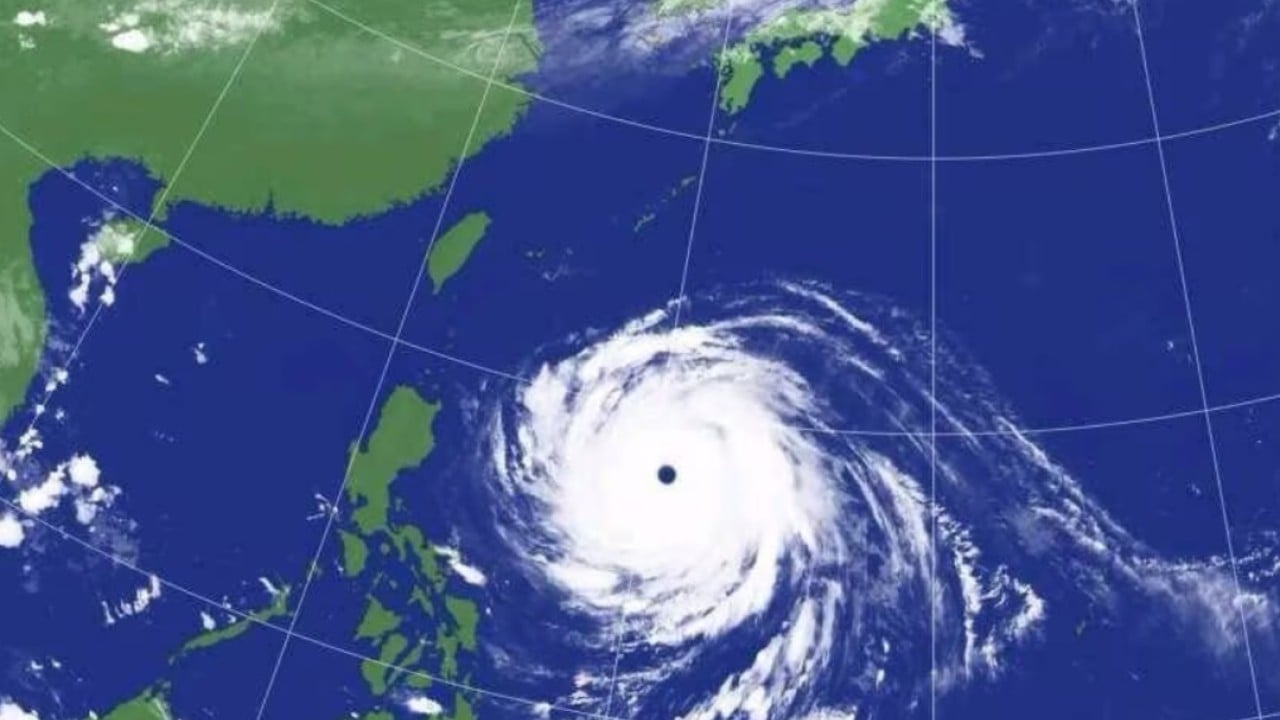
Simultaneously, extreme weather events impose immediate constraints on regional trade networks and industrial productivity. The trajectory of a high-intensity meteorological system, such as Super Typhoon Champi tracking toward Taiwan and eastern coastal manufacturing hubs, illustrates the systemic vulnerability of concentrated supply chain nodes.
When wind speeds and precipitation exceed structural design thresholds, the economic impact extends far beyond immediate physical damage. The disruption sequence follows a predictable propagation path:
- Primary Disruption: Immediate cessation of port operations, logistics halts, and mandatory evacuations in high-density industrial zones.
- Secondary Propagation: Inventory depletion, component shortages downstream, and forced revision of quarterly manufacturing output targets.
- Tertiary Correction: Upward pressure on regional insurance premiums and capital reallocation toward climate-resilient infrastructure.
Standard market metrics frequently fail to price these tail-risk events accurately, treating them as exogenous anomalies rather than recurrent variables within the global operational matrix.
Strategic Adaptation Under Uncertainty
Navigating these intersecting pressures requires a shift from reactive crisis management to structural resilience modeling. Corporations and sovereign entities must decouple capital allocation decisions from short-term diplomatic stability or historical climate baselines. By integrating geopolitical risk indexing into asset valuation and adopting decentralized manufacturing redundancies to buffer against environmental shocks, stakeholders can insulate operations from the compounding volatility of modern trade corridors.