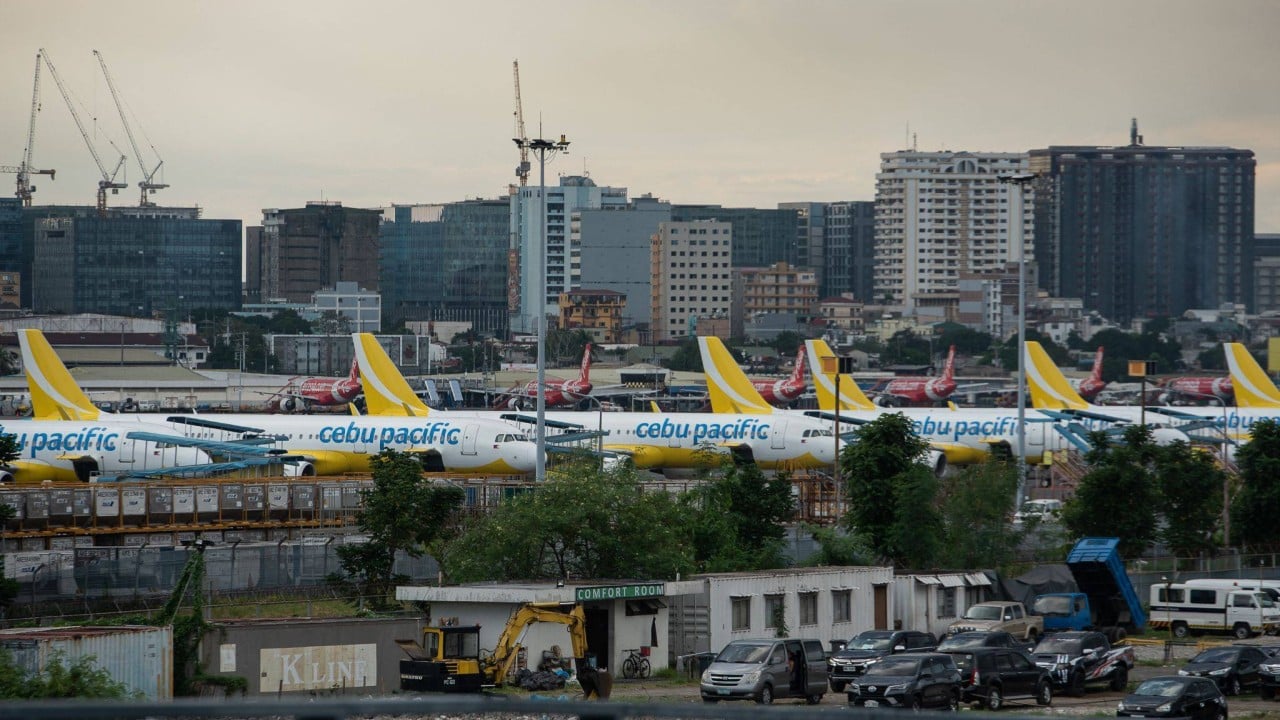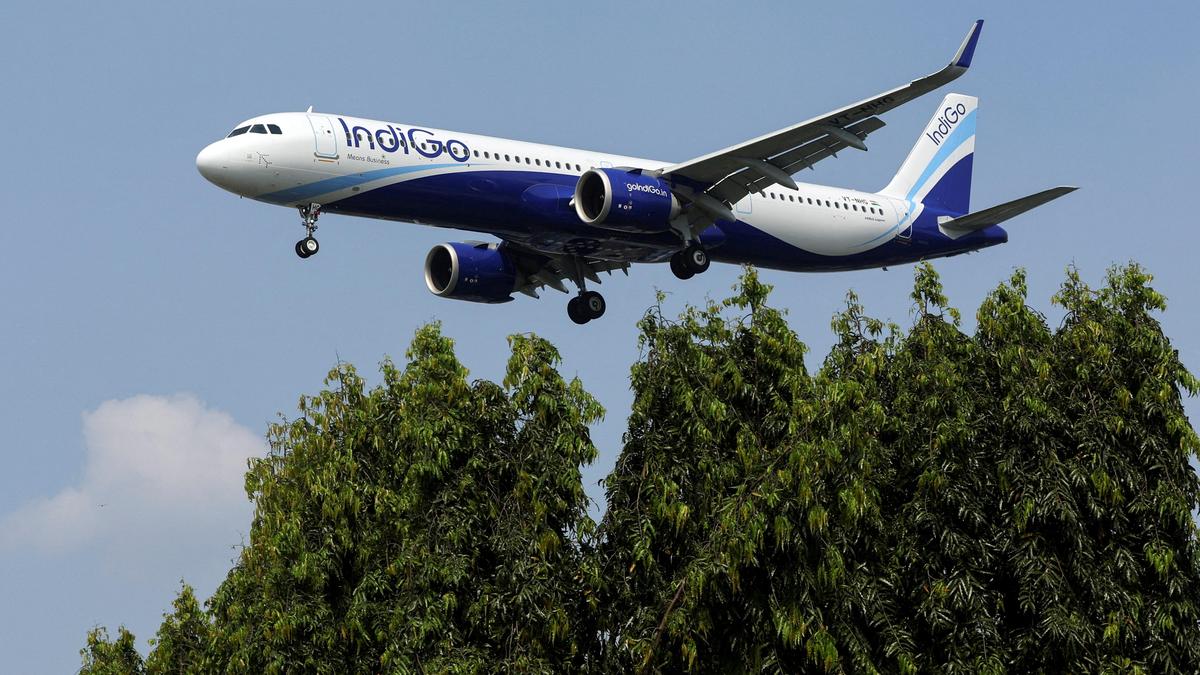
The suspension of international flight routes following escalation in West Asia is not a reactive safety measure; it is a calculated capitulation to a broken global risk-parity model. When major carriers like Lufthansa, United, and Air India halt operations to Tel Aviv, Beirut, or Tehran, they are navigating a multi-dimensional failure point where insurance premiums, crew safety protocols, and aircraft hull-value risks intersect with shrinking profit margins. The traditional "hub-and-spoke" efficiency that dominates modern aviation has become its greatest vulnerability in the face of regional volatility.
The Mechanics of Airspace Contraction
Aviation operates on a principle of least resistance, but modern conflict zones have converted previously efficient "air bridges" into high-cost detours. The immediate impact of the West Asia conflict is felt through the physical closure of NOTAM (Notice to Air Missions) zones, but the secondary impact is the economic strangulation of non-affected routes.
The primary driver of route cancellation is the Insurability Threshold. Aircraft are not merely transportation assets; they are high-value financial instruments usually leased or financed under strict covenants. Most hull-war insurance policies include "automatic termination" or "review" clauses triggered by specific kinetic events. Once a region is designated a high-risk zone by the London insurance market (specifically the Joint War Committee), the daily additional premium for a single wide-body aircraft can exceed the entire net profit of the flight. Carriers do not cancel flights because they fear a localized strike; they cancel because the financial architecture supporting the flight has collapsed.
The Three Pillars of Operational Paralysis
The decision to ground a fleet or divert a route rests on three distinct but interdependent variables. If any one of these variables crosses a defined threshold, the route becomes non-viable.
- The Fuel-Payload Tradeoff: Rerouting around Iranian or Iraqi airspace adds significant flight time. For a flight from London to New Delhi, a detour can add 60 to 90 minutes of flight time. This requires more fuel, which increases the aircraft's takeoff weight. To stay within safety limits, the airline must then reduce "payload"—meaning they must bump passengers or cargo. This creates a feedback loop where the cost of the flight increases while the revenue potential decreases.
- Crew Duty Limitations: Aviation regulators (such as the FAA or EASA) mandate strict maximum duty hours for pilots and cabin crew. A 90-minute detour might push a standard 12-hour duty cycle into a mandatory rest period. If an airline cannot stage "slip crews" at an intermediate point, the flight cannot legally proceed. In volatile regions, finding safe, logistically viable locations for crew layovers becomes an impossible variable.
- The Maintenance Bottleneck: Aircraft are maintained on "cycles" (takeoffs and landings) and flight hours. Sustained rerouting accelerates the arrival of "C-Checks" and "D-Checks"—heavy maintenance events that cost millions. When an airline evaluates a conflict-adjacent route, they are factoring in the accelerated depreciation of the airframe caused by the extra flight hours required to bypass the danger zone.
Quantifying the Fragility of Global Hubs
The escalation in West Asia threatens the "ME3" (Middle East Three) carriers—Emirates, Qatar Airways, and Etihad—who have built their business models on the geographic advantage of being within an 8-hour flight of 80% of the world's population. This concentration of traffic through hubs like Dubai and Doha creates a systemic risk.
If the airspace surrounding these hubs becomes a "Conflict-Adjacent Corridor," the efficiency of the entire global network degrades. The "Great Circle" routes that connect Europe to Southeast Asia are already strained by the closure of Russian airspace. The southern alternative, which runs through the Middle East, is now the only remaining high-capacity corridor. A total blockage of this corridor would effectively decouple the Eastern and Western hemispheres, forcing flights into sub-optimal paths over central Africa or the extreme North Pole, adding thousands of miles to every journey.
The Human Capital Crisis in Risk Assessment
The industry faces a specific limitation in its "Duty of Care" obligations. Unlike cargo, which can be insured for its replacement value, the liability associated with a passenger aircraft entering a conflict zone is effectively infinite. Following the precedents of MH17 and PS752, airlines are no longer willing to rely solely on government assurances that "high-altitude" corridors are safe.
The disconnect between Civil Aviation Authorities (CAAs) and military intelligence creates a "grey zone" of risk. While a government might declare its airspace open to maintain the appearance of normalcy and collect overflight fees, an airline's internal Security Operations Center (SOC) may see data indicating the deployment of mobile surface-to-air missile (SAM) systems. This information asymmetry leads to the "cascade effect" of cancellations: once one Tier-1 carrier (like British Airways) cancels, the others follow suit to avoid being the "outlier" in terms of risk exposure.
Strategic Transition to High-Altitude Resilience
To survive this era of permanent volatility, airlines must move away from reactive scheduling and toward "Dynamic Airspace Architecture." This requires three specific shifts in corporate strategy:
- Multi-Modal Diversification: Carriers must stop viewing themselves as purely aviation entities and start investing in "Block Space Agreements" with rail or sea freight to hedge their cargo commitments when air corridors close.
- Adaptive Fleet Composition: The reliance on massive A380s or 777-300ERs is a liability in a rerouting scenario. Smaller, long-range aircraft like the A321XLR allow for more flexible rerouting with lower fuel penalties, enabling airlines to maintain "thin" routes even when major corridors are blocked.
- Independent Intelligence Networks: Airlines must move away from reliance on state-provided NOTAMs. The future of flight safety lies in private-sector satellite monitoring and signal intelligence that provides real-time tracking of kinetic activity independent of government transparency.
The immediate priority for global operators is the renegotiation of Force Majeure clauses in fuel and labor contracts. The current definitions of "conflict" are too narrow, often failing to trigger protective legal shields until actual kinetic engagement occurs. By broadening these definitions to include "Geopolitical Instability Thresholds" (based on insurance premium spikes), airlines can protect their balance sheets before the first missile is fired. The era of assuming the sky is a neutral, open commons has ended; the sky is now a finite, contested resource subject to the same supply-chain shocks as any terrestrial border.
Would you like me to analyze the specific impact of these reroutes on the current quarterly earnings projections for the major European and Middle Eastern carriers?