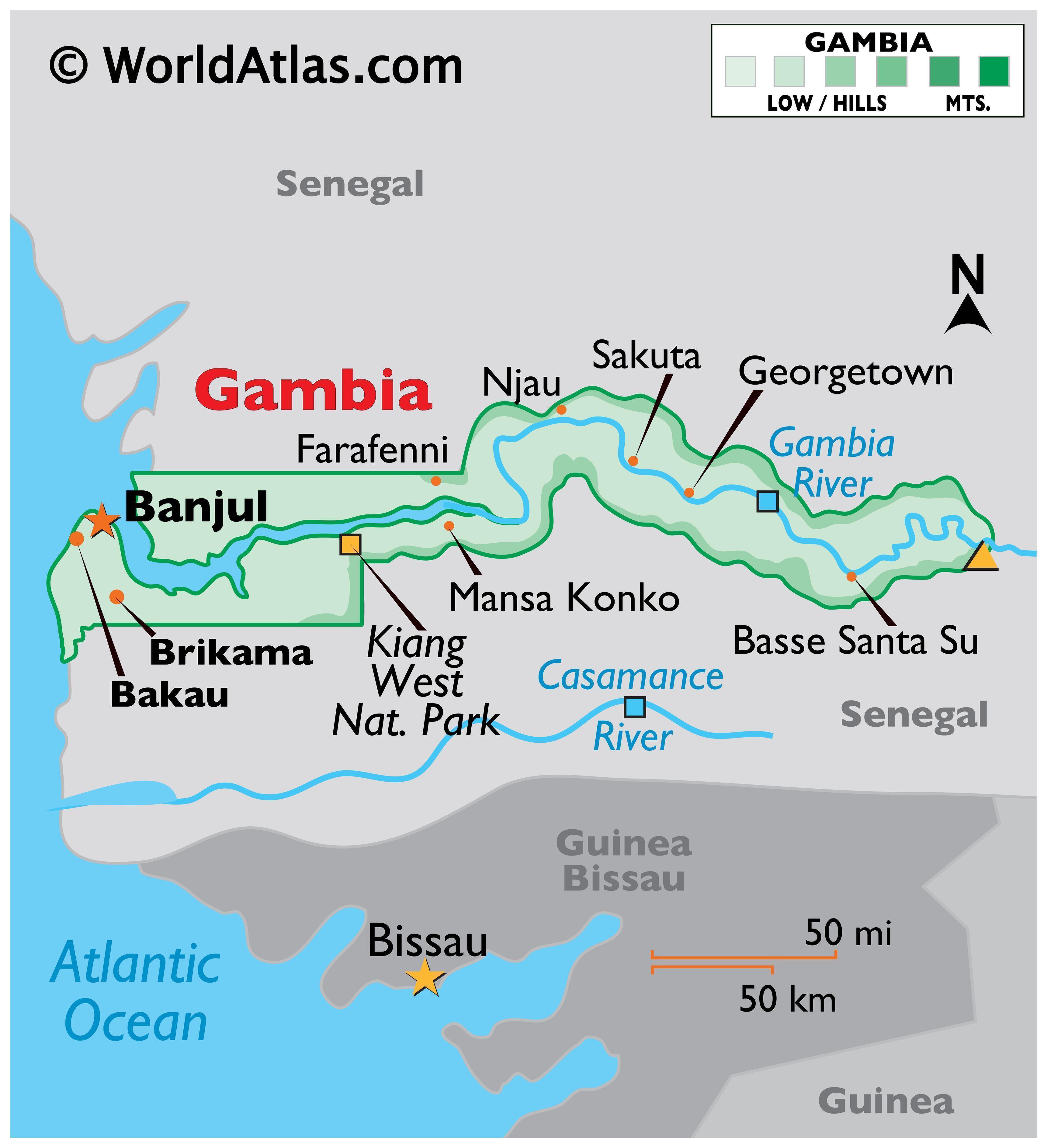
Justice in post-authoritarian states is rarely a cinematic sweep of clean resolutions. More often, it is a messy, compromised excavation, weighed down by procedural hurdles, evidentiary gaps, and the shadow of political expediency. When former paramilitary figures from Yahya Jammeh's notorious "Junglers" death squad appear in courtrooms across Banjul, the proceedings are heralded as milestones for accountability. Yet behind the official press statements lies a more fractured reality: a judicial system straining to hold perpetrators accountable while operating under the heavy weight of historical compromises.
For over two decades, Jammeh ruled The Gambia with a combination of paranoia and absolute terror, utilizing the Junglers as an internal hit squad that answered directly to the presidential villa. Following Jammeh's exile in 2017, the Truth, Reconciliation, and Reparations Commission (TRRC) spent years peeling back the institutional layers of state-sponsored violence. The commission laid bare the machinery of state murders, arbitrary detentions, and enforced disappearances. But moving from transitional truth-seeking to criminal indictments has proved tortuously difficult.
When high-profile figures from the era—such as former Jungler elements—face local tribunals, prosecutors frequently encounter evidentiary bottlenecks. The architecture of a closed dictatorship leaves few paper trails. Orders were transmitted verbally. Executions happened in remote forests or discreet detention centers. Consequently, when cases finally reach the High Court, the state often finds itself relying on the shifting testimonies of co-conspirators seeking to mitigate their own culpability.
This dynamic introduces profound legal vulnerabilities. Defense counsels routinely challenge the competency of charges under evolving statutory frameworks, while public frustration mounts over altered indictments or dropped murder counts. Critics argue that rushing suspects to trial without airtight investigative groundwork risks producing acquittals or procedural collapses that deliver neither closure for victims nor credible deterrence.
At the same time, accountability has increasingly migrated beyond Gambian borders through the principle of universal jurisdiction. While domestic courts grapple with resource constraints and legislative technicalities, international tribunals have stepped into the breach. Prosecutions and convictions secured in European courts demonstrate that accountability for atrocities committed along the West African coast can be realized thousands of miles away. However, foreign trials create an uneven landscape of justice, where mid-level operatives face severe sentences abroad while domestic proceedings navigate a complex path of national reconciliation and institutional rebuilding at home.
The pursuit of accountability in Banjul is not failing because of a lack of political will, nor is it succeeding through unmitigated triumph. It remains caught in the precarious space between what is morally demanded by victims and what is legally achievable in a fragile democracy recovering from twenty-two years of autocracy.
The courtroom doors remain open, but the ultimate test of the state's judicial capacity is only beginning.