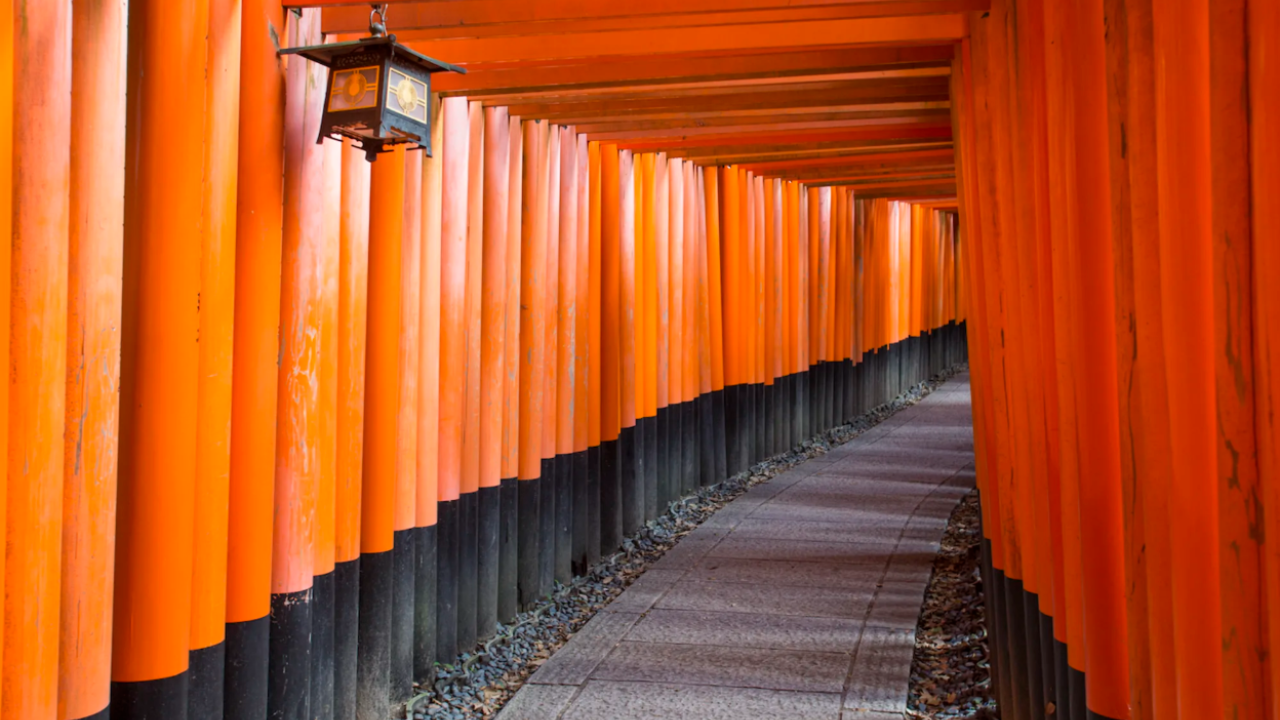
Western travel writers have spent decades romanticizing the Fushimi Inari Shrine in Kyoto. They look at the endless, undulating ribbon of vermilion wood cutting through the mountain forest and see an ancient, mystical portal into Japan's spiritual soul. They spin narratives about Zen meditation, divine intervention, and the timeless beauty of Shinto practice.
They are selling you a fairy tale.
The reality standing on that mountain is not a monument to ancient mysticism. It is the world’s most successful, physical billboard campaign. Those iconic torii gates are not ancient relics erected by medieval monks seeking enlightenment. They are corporate sponsorships. If you want to understand what Fushimi Inari actually represents, stop looking for spiritual awakening and start looking at the history of Japanese corporate tax write-offs and branding strategies.
The Commodification of the Sacred
The lazy consensus dominating travel blogs suggests that walking through the Senbon Torii (the thousands of torii gates) is a deeply religious experience meant to clear the mind. Look closer at the gates themselves. Step off the designated photo path, turn around, and look at the back of any single pillar.
You will not find prayers for world peace or ancient sutras. You will find the name of a construction company, a manufacturing conglomerate, or a local accounting firm, neatly carved alongside the exact date they cut the check.
Fushimi Inari is the patron shrine of Inari, the deity of agriculture and, more importantly, business prosperity. Since the Edo period, merchants and corporations have bought these gates to secure financial luck. Today, a single gate can set a company back anywhere from 400,000 yen to well over a million yen depending on the size and location on the mountain.
I have spent years navigating the cultural tourism sectors across East Asia, and nothing exposes the gap between Western tourist perception and local reality quite like Fushimi Inari. While visitors whisper in hushed tones to avoid disturbing the "spirits," Japanese executives are checking the placement of their corporate logo relative to their competitors' gates. It is a physical manifestation of networking, prestige, and financial muscle. It is LinkedIn in vermilion paint.
Dismantling the Travel Blog Lies
Let us dissect the standard questions that pack the search engine results pages, because the answers provided by mainstream travel guides are fundamentally flawed.
Why are there so many gates at Fushimi Inari?
The standard answer is "to honor the gods." The honest answer is "because of aggressive salesmanship and a booming economy." The shrine found a highly scalable monetization model centuries ago. Instead of relying on small coins tossed into an offering box, they sold real estate on the mountain. The density of the gates does not reflect a higher state of spiritual purity in Kyoto; it reflects the historic concentration of capital and business rivalry in the Kansai region.
What do the red gates symbolize?
Tourists love to talk about the vermilion color warding off evil spirits. While the chemical makeup of the traditional paint—mercury-based cinnabar—historically preserved the wood against rot, the modern symbolism is purely economic. The color means prestige. A bright, freshly painted gate means a company is thriving. A fading, peeling gate means the sponsoring business is either neglecting its marketing budget or has gone bankrupt. The mountain is a living stock market tracker.
The Cost of the Illusion
There is a distinct downside to this capitalistic approach to sacred spaces, one that the shrine authorities rarely discuss with foreign journalists. The mountain is running out of space.
Imagine a scenario where a historic shrine becomes so choked with corporate sponsorships that the actual natural ecosystem and historical structures are crowded out by fresh lumber. We are already there. The demand from modern corporations wanting to buy presence on the mountain has turned the path into a dense, claustrophobic tunnel. The shrine must constantly balance the removal of old, rotting gates sponsored by defunct companies with the installation of new ones from tech startups and real estate firms.
This creates a bizarre, rotating exhibition of corporate longevity. It is a highly transactional relationship disguised as eternal devotion. The gods at Fushimi Inari do not work for free; they require a continuous influx of corporate capital to keep the mountain painted.
Stop Looking for Magic Where There is Marketing
If you visit Fushimi Inari expecting a quiet communion with nature or a deep dive into historical Shintoism, you are setting yourself up for disappointment. You will be shuffling shoulder-to-shoulder with thousands of influencers trying to crop each other out of their frames, all walking through a tunnel built by corporate sponsors to ensure their quarterly profits beat expectations.
Change your lens entirely.
Do not go to Fushimi Inari to find yourself. Go to Fushimi Inari to witness one of the most brilliant, enduring marketing operations in human history. Appreciate the sheer scale of a system that convinced global businesses to fund the maintenance of a mountainside for centuries under the guise of religious duty. Admire the hustle. Study the branding. Just do not mistake a corridor of corporate advertisements for a stairway to heaven.