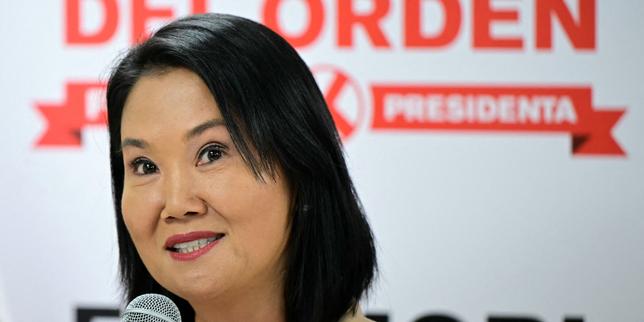
Peru is staring into a familiar political abyss. The National Office of Electoral Processes officially confirmed that Keiko Fujimori and Roberto Sanchez are heading to the second round of the presidential election. If you feel a sense of déjà vu, you aren't alone. Peruvian voters are trapped in a recurring loop of political extremes.
This matchup isn't just a regular election. It's a clash of two diametrically opposed visions for a country bruised by years of corruption scandals, protests, and institutional paralysis. Fujimori represents the hard-right, market-friendly establishment, carrying the heavy legacy of her father's authoritarian regime. Sanchez represents the radical left, promising to rewrite the rules of the Peruvian economy.
The official results show both candidates scraped through with historically low percentages in the first round. Most Peruvians didn't want either of them. Now, the country has to choose between two highly polarizing figures. It's a recipe for deeper instability.
The Fujimori Factor and the Right Wing Surge
Keiko Fujimori is back in the final stretch for the fourth time. Her political survival is remarkable. Despite spending time in pre-trial detention over the Odebrecht corruption scandal, she retains a highly disciplined, loyal base of voters.
Fujimori relies on a very specific playbook. She promises heavy-handed security measures, economic stability through traditional mining exports, and conservative social values. For her supporters, fujimorismo represents a time when the state crushed communist insurgencies and stabilized a hyperinflationary economy in the 1990s.
Her detractors see something completely different. They see a corrupt political dynasty that systematically undermined democratic institutions. Her campaign focuses heavily on portraying Sanchez as a threat to private property and a puppet of regional socialist regimes. It's an effective fear-mongering strategy that works well with Lima's business elite and middle class.
Roberto Sanchez and the Leftist Rebellion
Roberto Sanchez didn't come out of nowhere, but his rise to the runoff catches many urban analysts off guard. He drew massive support from Peru's rural south and central highlands. These regions feel completely abandoned by the central government in Lima.
Sanchez wants a total overhaul. His platform centers on rewriting the 1993 Constitution, a document drafted during Alberto Fujimori's presidency that enshrined a free-market economic model. Sanchez argues this model allows multinational mining corporations to strip Peru of its natural wealth while leaving local communities in poverty.
His proposals scare investors. He talks about nationalizing strategic resources and redistributing wealth through massive social programs. To his base, he's a savior. To the markets, he's a catastrophic risk.
Why the Electoral System is Broken
The math behind this runoff exposes a deeper rot in Peru's democracy. In a healthy democracy, a presidential candidate enters a runoff with a substantial mandate from the first round. Not here.
Fragmented parties and widespread voter disgust meant the vote split dozens of ways. Fujimori and Sanchez advanced despite the fact that a massive majority of the population rejected them both in the initial vote.
Peru has built a system that manufactures radical polarization. Voters don't choose the candidate they love. They end up voting in the second round for the candidate they hate the least. This ensures that whoever wins on inauguration day will face immediate, widespread opposition and a hostile, divided congress.
The Economic Stakes for Copper and Markets
Peru is the world's second-largest copper producer. Global markets care deeply about who runs this country because the global transition to green energy relies heavily on Peruvian mines.
A Fujimori presidency means status quo. Mining concessions will move forward, environmental regulations will remain flexible, and capital flight will slow down. Wall Street wants Fujimori because she represents predictability, even if that predictability comes with a side of political protests.
A Sanchez presidency threatens to upend the global copper supply chain. He wants higher taxes on mining windfall profits and state control over major projects. If he wins, expect the Peruvian sol to plummet and international mining companies to pause billions of dollars in planned investments. The economic fallout will hit ordinary Peruvians first, driving up the cost of imported goods and fueling inflation.
Surviving the Upcoming Political Warfare
The next few weeks will feature a barrage of negative campaigning, disinformation, and strikes. The polarization will spill over into the streets, particularly in mining regions where communities are already organizing protests against the Lima establishment.
If you are operating a business in Peru or managing investments tied to Andean commodities, you need to hedge your risks immediately. Do not assume the polls are accurate. The electorate is volatile, and rural voting patterns are notoriously difficult to predict until the final ballots are counted. Diversify your currency exposure out of the sol where possible and prepare for prolonged supply chain disruptions along the southern mining corridor. The political tension will not disappear when the final vote is certified. It's only getting started.