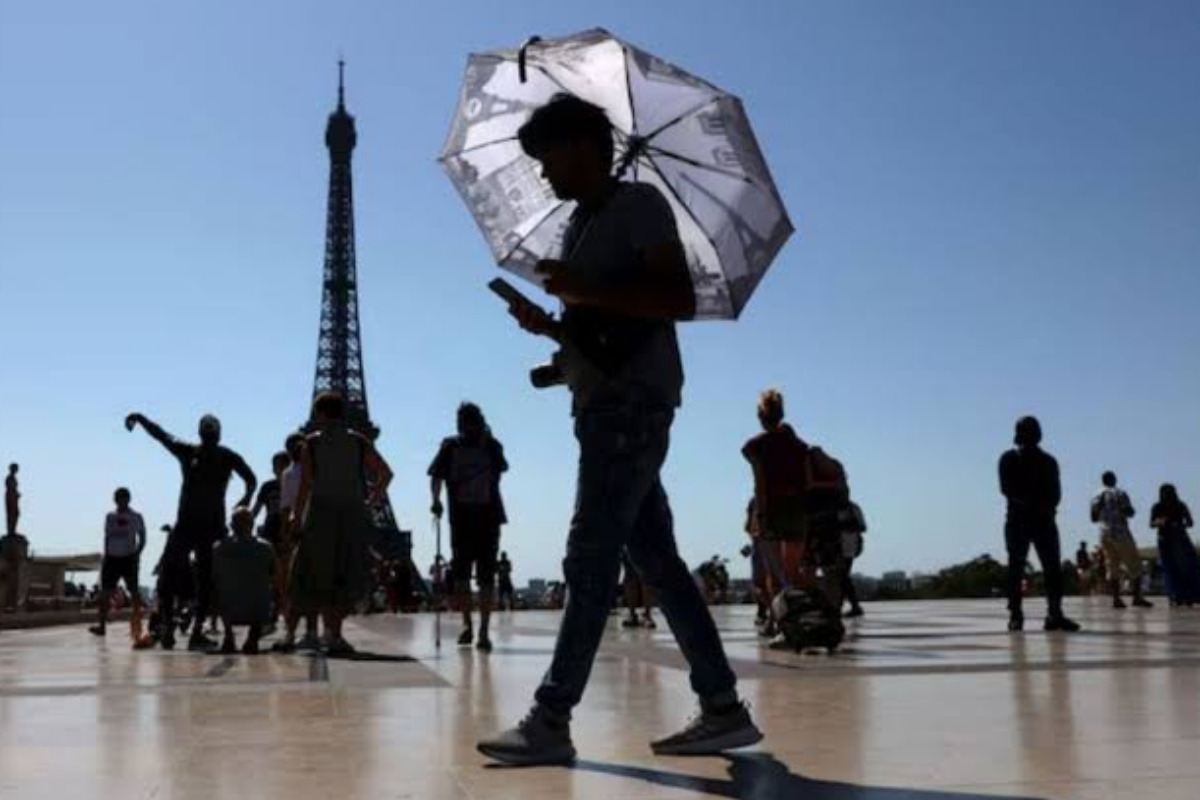
In the span of just 16 days, France recorded a staggering 5,764 heat-related deaths during a catastrophic summer heat wave, laying bare the grave human cost of rising global temperatures across Europe. The surge in mortality was not merely a natural disaster; it revealed systemic vulnerabilities in public health infrastructure, urban design, and emergency response mechanisms. While official heat warnings were issued, the rapid escalation in temperatures overwhelmed healthcare facilities and disproportionately impacted elderly and marginalized populations. Understanding this crisis requires examining the breakdown of protective systems and the structural changes needed to prevent future mass-casualty heat events.
Urban Heat Islands Accelerated the Public Health Emergency
Cities like Paris, Marseille, and Lyon bore the brunt of the mortality spike due to the urban heat island effect. Concrete, asphalt, and dense building materials absorbed heat throughout the day and radiated it back during the night, preventing ambient temperatures from cooling down. Without nighttime thermal relief, the human body struggles to repair cardiovascular and respiratory stress, leading to compounding physiological failure.
Concrete Density and Lack of Green Canopy
European urban architecture historically prioritized thermal retention to combat harsh winters. Large stone structures, narrow street layouts, and minimal green spaces trapped pockets of superheated air. In residential districts dominated by low-income housing, the absence of tree canopies increased localized surface temperatures significantly compared to wealthier, tree-lined neighborhoods.
The Limitation of Domestic Cooling Solutions
Unlike North America, residential air conditioning remains scarce across Western Europe. Grid constraints, energy costs, and regulatory hurdles have limited widespread installation. As indoor temperatures matched outdoor extremes, vulnerable residents had no functional refuge within their own homes, turning private residences into severe heat traps.
Overburdened Healthcare Networks and Delayed Interventions
The influx of severe heatstroke, dehydration, and acute cardiovascular cases rapidly overwhelmed emergency services. Triage protocols struggled to adapt to the volume of distress calls received within the initial window of the heat wave.
| Regional Impact Area | Primary Structural Bottleneck | Key Affected Demographic |
|---|---|---|
| Metropolitan Hospitals | ER Capacity & Staff Shortages | Elderly Population (75+) |
| Rural Medical Outposts | Transit Time for Critical Care | Isolated Individuals |
| Long-Term Care Facilities | Inadequate Cooling Infrastructure | Resident Care Patients |
Hospitals faced operational bottlenecks as medical personnel managed concurrent spikes in emergency room admissions. Chronic understaffing in the public health sector exacerbated response times, leaving hundreds of urgent calls unattended during peak hours of thermal intensity.
The Invisible Burden on Isolated Populations
Social isolation proved to be one of the strongest indicators of mortality risk during the 16-day period. A significant portion of victims were elderly individuals living alone in top-floor apartment units, where heat accumulation reaches its maximum point.
"Extreme heat acts as a silent diagnostic tool, exposing every existing fissure in social support networks and municipal infrastructure."
Municipal registries designed to track and assist vulnerable citizens during environmental emergencies encountered severe operational gaps. Outdated contact databases, insufficient municipal outreach workers, and delayed door-to-door welfare checks meant that help arrived too late for thousands.
Structural Realities and Future Preparedness
Addressing the threat of extreme thermal events demands fundamental shifts in urban planning and public health policy rather than temporary emergency measures. Retrofitting existing housing stock with passive cooling technologies, reflective roofing materials, and expanded urban forestry must become immediate infrastructure priorities.
Energy grids require modernization to handle seasonal load shifts without triggering widespread failures. Public health frameworks need dynamic, real-time tracking systems that monitor vulnerable demographics automatically during severe weather alerts. Without these structural overhauls, urban centers remain highly susceptible to recurring spikes in seasonal mortality.


