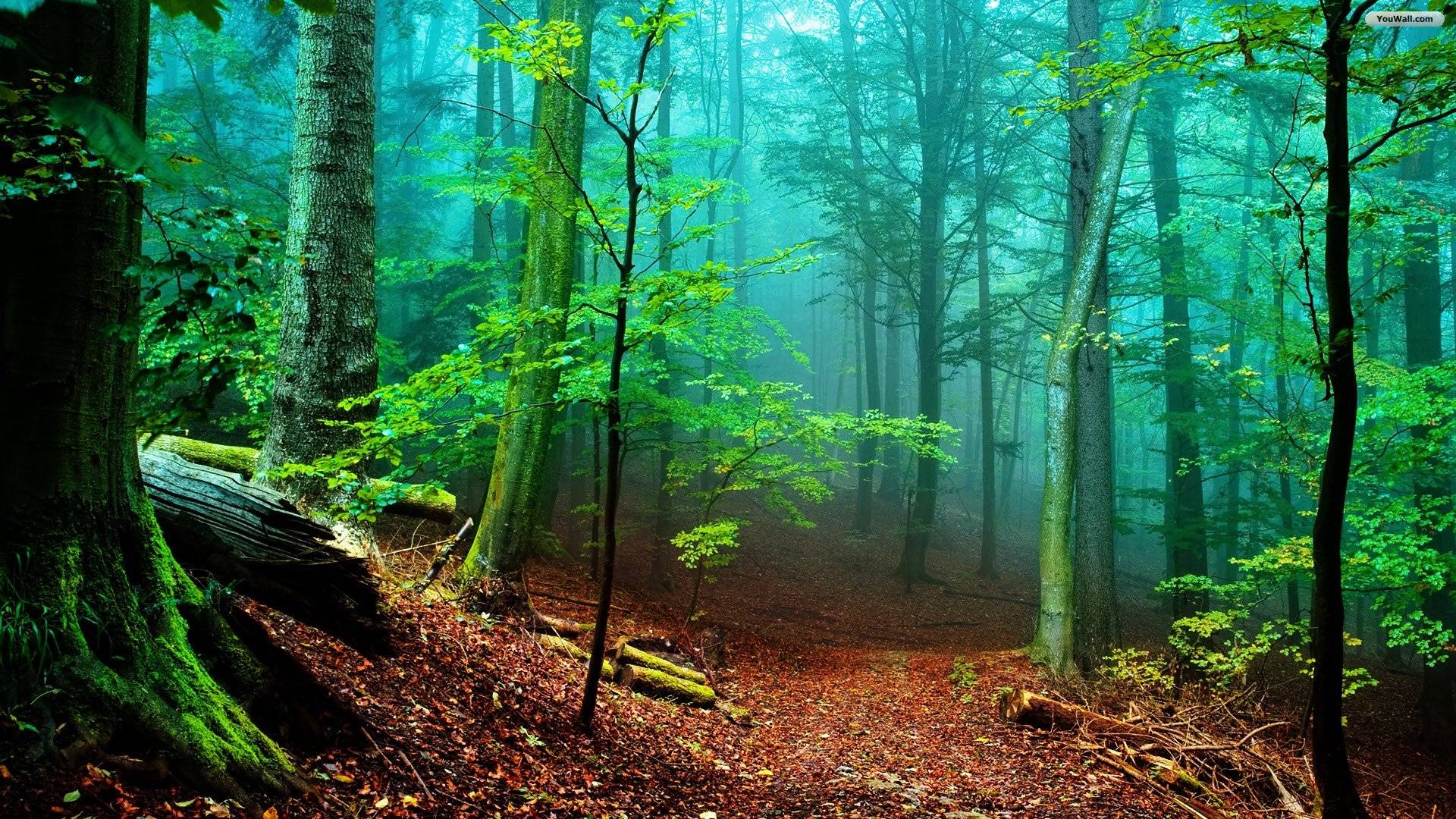
Commercial kitchens are raiding the underbrush. Walk into any metropolitan cafe pushing experimental menus right now, and you will find syrups infused with Douglas fir, sodas brewed from birch bark, and lattes finished with a mist of pine tincture. This is not just another fleeting aesthetic trend pushed by bored influencers. It is a calculated pivot by an agricultural industry desperately seeking new flavors as traditional monocultures buckle under climate stress and shifting consumer tastes.
We stopped eating the forest centuries ago. Agriculture industrialized our palates, narrowing our collective diet down to a handful of high-yield crops like wheat, corn, and soy. For decades, grocery store aisles were triumphs of uniformity. Every apple tasted remarkably similar to the last. Every loaf of sliced bread carried the exact same chemical softness.
Now, that homogenization has hit a wall. Consumers fatigued by hyper-processed sweetness are driving demand for bitter, astringent, and genuinely wild flavor profiles. Juniper, spruce, and cedar offer a sharp rejection of industrial sugar. They provide a sensory jolt that artificial flavoring agents simply cannot replicate.
Behind every pine-needle syrup sits a supply chain transformation. Foraging has graduated from hobbyist Instagram accounts to industrial-scale harvesting operations. Small-batch syrup makers work alongside commercial logging waste operations to extract needles and resin that were previously left to rot on forest floors.
Consider the economics of conifer harvesting. Unlike vanilla, which requires intensely specific tropical climates and manual pollination, pine and fir species grow abundantly across temperate zones. They are resilient, fast-spreading, and largely immune to the catastrophic blights decimating traditional orchard crops. By integrating these botanical notes into mainstream beverages, food corporations are hedging their bets against climate instability.
The Chemistry of Conifer Flavors
Why do evergreens taste the way they do? The secret lies in complex volatile organic compounds, particularly terpenes like pinene and limonene. These are the exact same chemical compounds that give citrus fruits their brightness and herbs like rosemary their punch. When a barista steeps spruce tips into hot milk, they are releasing alpha-pinene, creating an aromatic compound profile that tricks the human brain into registering both freshness and deep earthiness.
Flavor scientists have known about these compounds for decades. Historically, they were locked away in the domain of perfumery and pharmaceutical manufacturing. Turning them into drinkable products required a fundamental shift in food processing safety and regulatory approval.
Public health frameworks restrict which botanical extracts can enter the food supply. Not all evergreens are safe for human consumption. Ponderosa pine, for instance, contains chemical compounds that can cause reproductive toxicity in cattle and gastrointestinal distress in humans. Scaling the forest-to-table movement requires strict botanical sorting, ensuring that wild-harvested batches use exclusively benign species like balsam fir, Norway spruce, and common juniper.
Navigating the Supply Chain Bottleneck
You cannot scale a forest. That is the core contradiction facing brands attempting to commercialize wild ingredients. Industrial agriculture relies on predictability. You plant seeds in rows, apply precise amounts of fertilizer and water, and harvest on a fixed schedule.
Forests do not operate on corporate timelines. Wild-harvested spruce tips can only be picked during a narrow window in the spring when the new growth is soft, bright green, and pliable. Wait too long, and the needles turn woody and bitter.
This creates severe supply chain vulnerability. A late spring frost or an unseasonable drought can wipe out an entire season’s worth of raw material for independent beverage makers. To solve this, major ingredient suppliers are turning to vertical forestry and controlled-environment greenhouses, growing evergreens under artificial lights to force early bud growth.
The irony is thick. To bring the wild back to consumers, corporations are dragging the wild indoors, wiring it to LED grids and drip irrigation.
Consumer Psychology and the Need for Authenticity
Why are people willing to pay six dollars for a beverage that tastes faintly of Christmas trees? The answer is rooted in hyper-individualism and urban isolation. As more of the global population crowds into concrete metropolises, the psychological distance from nature grows.
We crave tangible proof of the natural world. Food marketing has leaned heavily on pastoral imagery for generations, but consumers have grown wise to greenwashing. Pictures of rolling green hills on a carton of industrial oat milk no longer fool anyone.
Real pine needles, however, cannot be easily faked. They carry a distinct, complex bite that signals provenance. When you drink a juniper-infused tonic, you are consuming a literal piece of an ecosystem. It is an edible souvenir from a landscape most urbanites visit only on weekends.
The Ecological Toll of Commercial Foraging
Every trend has a breaking point. When a niche culinary preference goes mainstream, the underlying ecosystem absorbs the shock.
Already, conservationists are raising alarms about over-harvesting in regions popular with commercial foragers. Stripping too many boughs from a young pine tree stunts its growth and leaves it vulnerable to bark beetles and fungal infections. If thousands of independent coffee shops suddenly demand fresh pine tips, the pressure on local woodlands could prove unsustainable.
Sustainable sourcing demands that harvesters take only the very tips of branches, leaving the main structure of the tree intact. Yet, as profit margins tighten, ethical harvesting practices are often the first casualty of commercial competition.
Where the Menu Goes From Here
The push toward forest-derived flavors is not a temporary blip. It represents a permanent expansion of the commercial palate. As traditional agricultural commodities become more volatile due to weather extremes, food scientists will look deeper into wild flora for resilience.
We are moving past the era of uniform industrial taste. The future belongs to bitter, wild, and unpredictable flavors harvested straight from the edge of the woods.