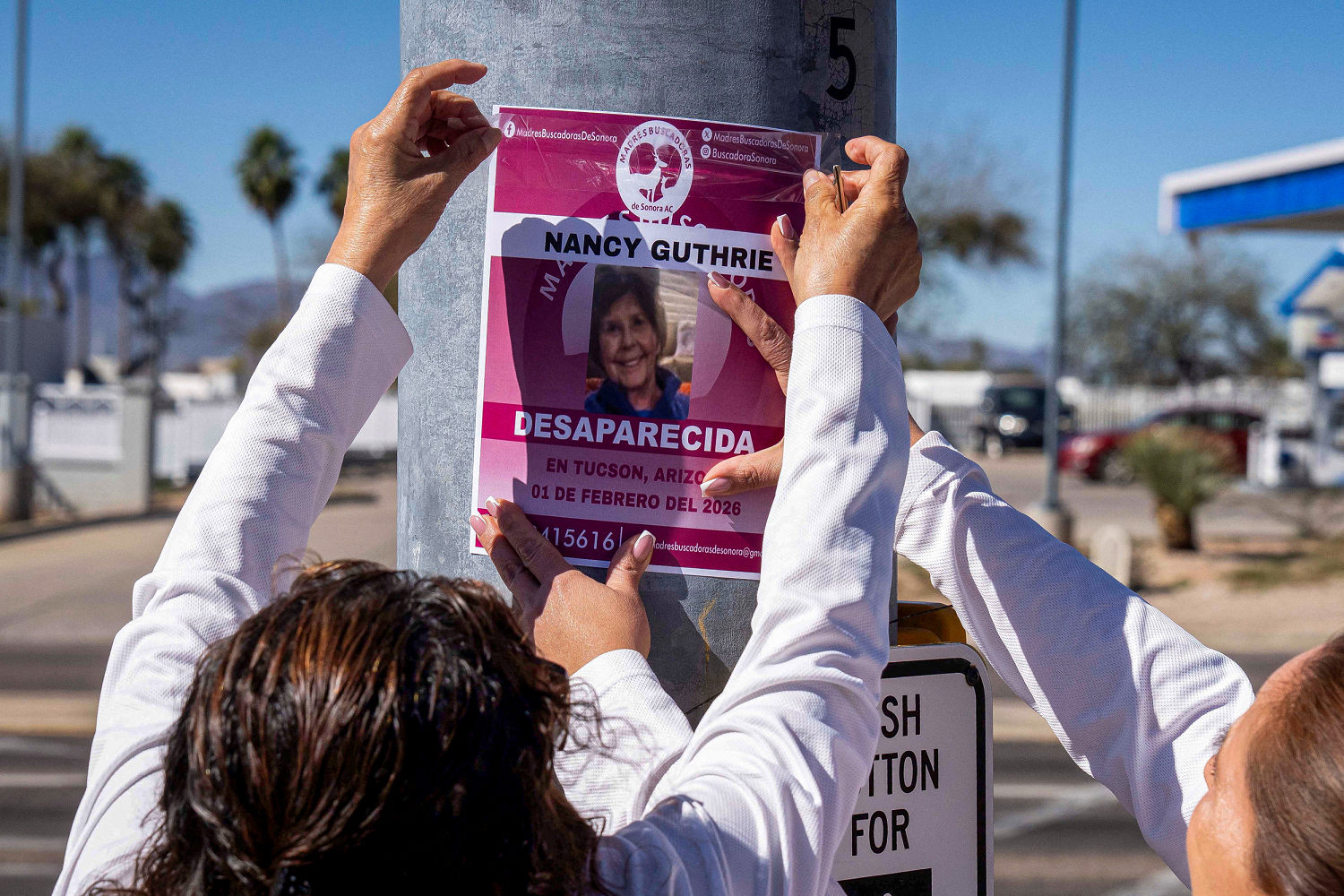
Kidnapping for ransom cases in the digital age face a profound signal-to-noise crisis, where opportunistic extortionists deploy asymmetric digital vectors to exploit media transparency, confounding federal law enforcement triage protocols. The ongoing investigation into the February 1, 2026 disappearance of 84-year-old Nancy Guthrie from her Tucson, Arizona home illustrates the operational friction generated when unverified communications contaminate a high-profile forensic pipeline.
When an individual disappears under suspicious circumstances—such as the forced entry and immediate medical telemetry disconnection observed at the Guthrie residence—federal investigators categorize incoming communications using a binary classification matrix: primary perpetrator traffic and secondary opportunistic exploitation.
In high-profile abductions, multiple digital transmissions surface through media intermediaries rather than direct channels. Deconstructing these communications requires examining three distinct operational variables:
- Proof of Life (PoL) or Proof of Possession (PoP): Verifiable physical or biometric data that establishes a current link between the sender and the victim.
- Monetization Mechanics: The infrastructure used to demand and secure illicit capital, typically decentralized cryptocurrencies.
- Transmission Continuity: The consistency of IP addresses, metadata, and encryption methods across sequential messages.
The Crypto-Staging Vulnerability and Verification Architecture
The primary transactional mechanism for an authentic kidnapper is the execution of a closed-loop transaction. In the weeks following the Guthrie abduction, initial transmissions demanded sums ranging from $4 million to $6 million, to be settled via a designated Bitcoin wallet.
To map the legitimacy of this vector, federal cyber-crimes units employ a tactical countermeasure known as crypto-staging. Law enforcement deposits a nominal, traceable fraction of cryptocurrency into the specified wallet address. This creates a behavioral test based on two distinct technical outcomes:
- Active Liquidation: The rapid movement of funds to mixing services, privacy coins, or unregulated off-ramps indicates an active, technically literate operator monitoring the ledger.
- Ledger Stagnation: Funds left completely untouched signal either an operational disconnect, a lack of access to the corresponding private keys, or an external actor casting a wide net without direct access to the asset or the victim.
In the Guthrie investigation, the deposited cryptocurrency remained entirely stationary. This stagnation serves as a primary empirical indicator that the entities behind the initial multi-million dollar demands possessed no functional link to the physical abduction. The communications were designed to exploit the family's vulnerability without possessing the capability to fulfill any reciprocal terms.
Media Intermediation and the Signal Contamination Cycle
A systemic vulnerability in modern federal investigations is the bypassing of traditional law enforcement channels by bad-faith actors. By routing extortion letters through high-traffic media entities, senders achieve instantaneous amplification, forcing a predictable feedback loop.
[Unverified Extortion Note] ──> [Media Amplification] ──> [Public Reward Escalation] ──> [Secondary Extortion Influx]
This structural vulnerability progresses through three distinct phases:
- Phase 1 (Transmission): The media outlet receives a sensational document containing specific unverified claims, such as assertions that the victim passed away due to a lack of cardiac medication or was buried in a remote location.
- Phase 2 (Amplification): Public dissemination forces high-profile appeals from the victim's family, which often include massive financial incentives, such as the $1 million reward offered by Savannah Guthrie.
- Phase 3 (Contamination): The elevated economic incentive triggers a secondary tier of digital opportunists. This was evidenced by a subsequent note demanding a single Bitcoin in exchange for a hidden mobile device allegedly containing video evidence of the primary abductor.
An authentic criminal enterprise rarely trades high-value, self-incriminating evidence—such as names, ages, and video proof of the primary suspect—for a statistically negligible sum like one Bitcoin when a multi-million dollar asset is supposedly at stake. The economic asymmetry alone invalidates the communication's legitimacy.
Digital Identity Fragmentation and IP Splicing
Conflicting reports from the FBI Phoenix Field Office and localized law enforcement highlight the complexity of tracing digital footprints. While early field assessments suggested a single source utilizing a unified IP address for multiple emails, advanced spoofing tactics can easily mimic single-source origin metrics. Senders utilize residential proxy networks, virtual private servers (VPS), and onion-routing protocols to intentionally obfuscate the physical location of the transmission.
The operational bottleneck is severe. Investigators must run concurrent tracks: one focusing on the physical crime scene in the Catalina Foothills—where blood evidence and a disabled doorbell camera at 1:47 AM provide hard forensic anchors—and another chasing ephemeral digital nodes across decentralized networks. When federal agencies issue clarifying statements indicating that certain notes remain under investigation while others are classified as fabrications, they are managing public expectations while trying to preserve the integrity of their digital triage.
Strategic Capital Reallocation in Active Investigations
As an investigation crosses the five-month threshold without a breakthrough, the strategic pivot requires a total reallocation of investigative assets away from public-facing digital tips and back toward foundational physical forensics. Human intelligence (HUMINT), familial telemetry tracking, and localized geofencing data hold higher structural validity than unverified electronic communications.
Law enforcement agencies must maintain a strict informational firewall, withholding specific forensic details—such as the exact timestamp of the victim's pacemaker app disconnection at 2:28 AM—to validate any future, genuine communications. The strategic objective shifts from active negotiation to aggressive digital elimination, systematically purging the investigative queue of extortionist noise to isolate the true physical actors.