The reality of high-stakes executive protection involves layers of deception that most people never see. When intelligence agencies flag credible foreign threats against a sitting American president, standard protocol goes out the window.
State-sponsored assassination attempts aren't just movie plots. They require extraordinary countermeasures, ranging from decoy aircraft to specialized transport logistics. Security teams face a brutal calculus when shielding a leader from hostile foreign actors.
Inside the Covert Turkish Plane Swap
Consider what happened during a high-risk diplomatic trip to Ankara, Turkey. U.S. intelligence identified a specific, credible threat directed against Donald Trump or his aircraft amid escalating hostilities with Iran. Rather than risking a predictable departure, the Secret Service and military handlers executed an elaborate deception operation.
The public and the traveling press pool saw Trump walk up the stairs of the legacy blue-and-white Air Force One and wave goodbye. Cameras captured the familiar scene. Minutes later, the reality was entirely different.
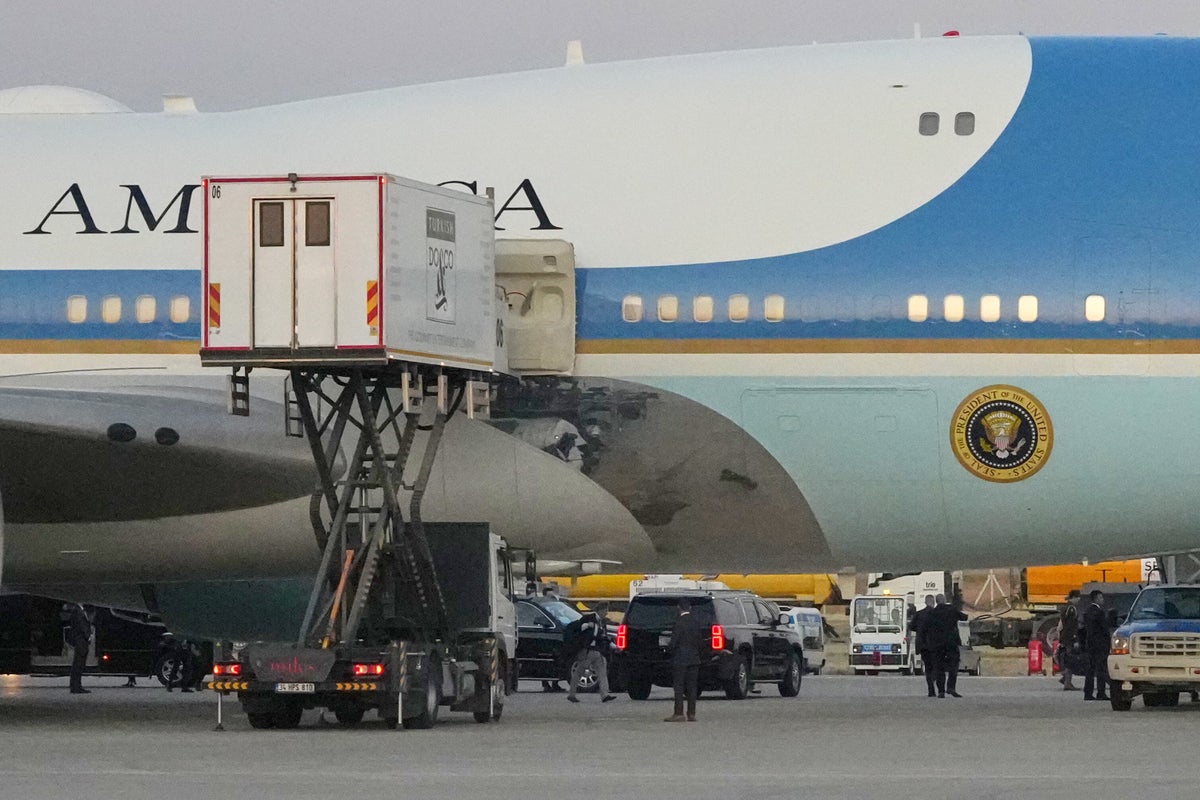
Protected from public view, Trump was secretly transferred from the main cabin using an airport catering truck, sliding into the raised container to move across to an alternate Air Force C-32A military jet. The legacy Boeing jumbo jet served as a high-profile decoy, carrying journalists and unaware staff members while broadcasting the official call sign. The actual commander-in-chief flew across the Atlantic under completely different radar tracks, concealing his true location for hours.
The Expanding Web of State-Backed Threats
The danger extends far beyond sudden tactical swaps during foreign trips. Federal investigations have repeatedly exposed concrete plots originating from overseas handlers aiming to target American political figures.
The Department of Justice secured convictions in federal court detailing murder-for-hire schemes tied directly to foreign paramilitary organizations. Operatives recruited on foreign soil attempted to orchestrate attacks, citing desires for retaliation linked to past military strikes. These operations forced federal law enforcement to deploy unprecedented defensive assets, ranging from specialized counter-assault teams and automated drone surveillance to heavy electronic countermeasures around campaign stops and official residences.
Protecting a polarizing political figure against foreign intelligence services means assuming threats exist everywhere. Every transit route, hotel layout, and communication channel undergoes relentless scrutiny. The margin for error is zero, and the tactics required to keep leadership alive often bypass transparency entirely in favor of absolute operational security.