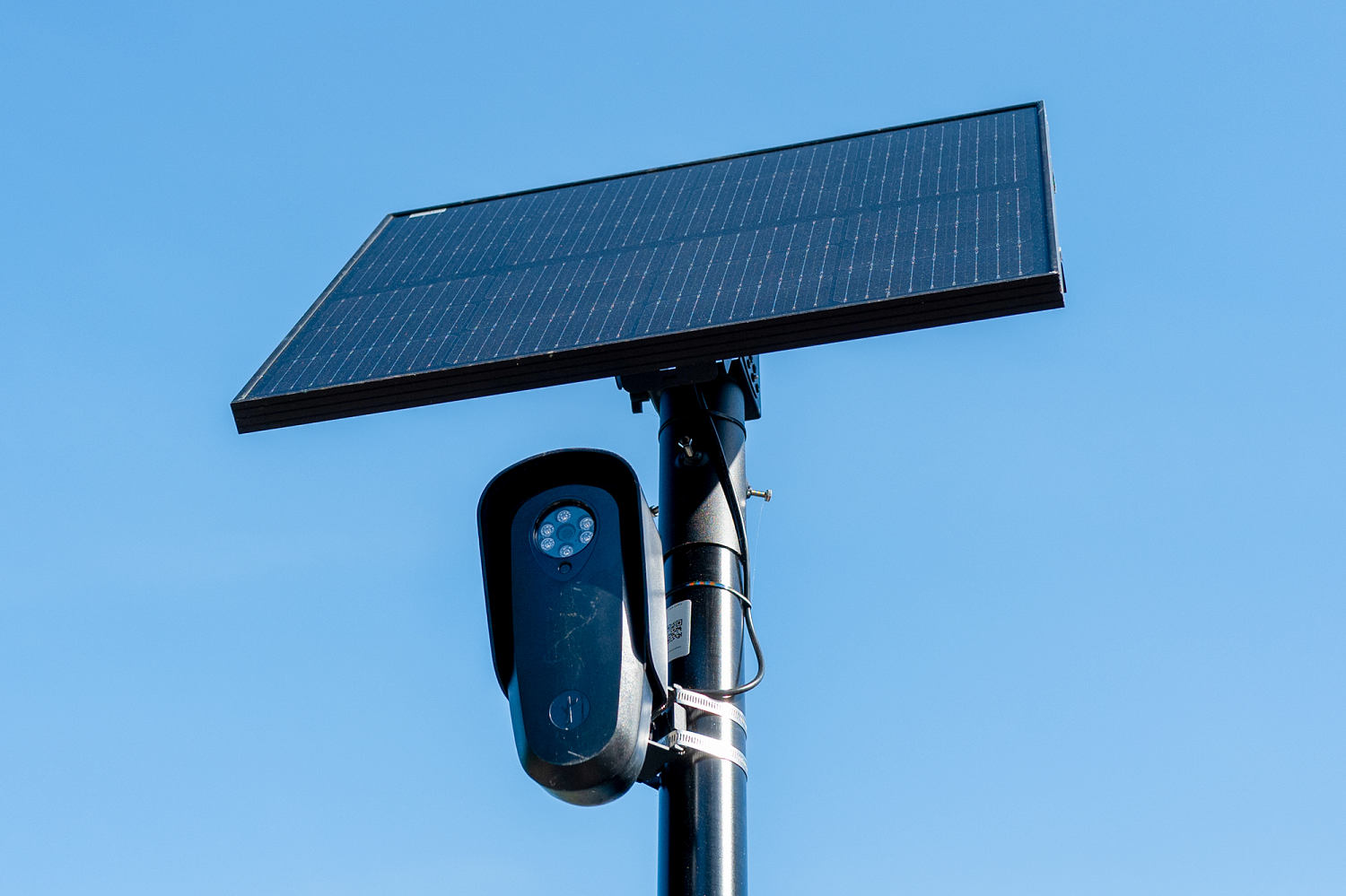
Big Brother just got evicted from Florida’s state highways.
The Florida Department of Transportation dropped a hammer on automated surveillance by issuing a strict directive ordering local law enforcement agencies to rip out automated license plate readers from all state road rights-of-way within 30 days. If local departments don’t yank down cameras made by companies like Flock Safety and Axon by the deadline, state road crews are coming out to do it for them. Expanding on this idea, you can also read: The Empty Chair at the Heart of Myla.
This isn't a minor bureaucratic tweak. It is a massive shift in how public officials view mass tracking. For years, cities and counties quietly peppered intersections and highway exits with optical sensors that log millions of plates daily, aggregating movement profiles of everyday drivers. Now, state leadership has decided the juice isn't worth the squeeze.
The Breaking Point for Public Privacy
The backlash didn't materialize out of thin air. Across the country, automated license plate readers have transformed from niche investigative tools into ubiquitous dragnets. These devices capture every passing vehicle, storing time stamps, locations, vehicle makes, and license plates into searchable databases. Observers at The New York Times have shared their thoughts on this situation.
Proponents claim these cameras solve crimes. They do. Police departments regularly use them to track stolen vehicles, locate missing persons, and catch fleeing felons.
Here is the problem: the vast majority of people captured by these systems have committed zero crimes.
Data collection on this scale creates massive vulnerabilities. When private companies and municipal police pool continuous movement data, ordinary citizens turn into trackable commodities. High-profile incidents of misuse broke open the conversation. In various jurisdictions, officers caught heat for weaponizing plate-reading networks to stalk romantic partners or dig into personal vendettas.
Gov. Ron DeSantis pointed straight at the core fear during recent public remarks, noting that aggregated movement dossiers could easily be monetized or exploited for corporate profiling. When the state can track every time you drop your kids off at school or visit a medical clinic, privacy stops existing outside your front door.
How the Florida Mandate Works
The mechanics of the state's directive are straightforward, leaving little room for local foot-dragging.
Under a memo issued by transportation officials, all active permits allowing local agencies to mount surveillance hardware on state highway rights-of-way are officially revoked. Local sheriffs and police chiefs face a hard countdown.
- The 30-Day Window: Law enforcement must physically remove equipment by late September 2026.
- Immediate Removal Clause: FDOT retained the power to instantly strip away any gear deemed an immediate safety hazard.
- Permit Freezing: No new applications for highway-adjacent plate readers will get approved moving forward.
Law enforcement agencies are already scrambling to comply. Major figures like Jacksonville Sheriff TK Waters announced immediate shutdowns of local plate reader networks across Duval County, while other regional departments opted to cancel vendor contracts outright rather than fight the state or manage public anger.
The Catch With Local Loopholes
Don't assume license plate tracking is completely dead across the Sunshine State.
The state transportation memo carries a very specific geographic scope. It targets state highway rights-of-way. Cameras mounted on county roads, municipal streets, or private commercial property like shopping centers fall outside this specific executive reach.
That leaves a patchwork enforcement reality. A driver might cruise past an intersection clear of state-regulated cameras only to pass under a privately leased reader sitting over a strip mall entrance five minutes later. Cities with heavy investments in surveillance tech are now wrestling with whether to keep funding localized systems or abandon them entirely to mirror the state's posture.
Civil liberties advocates want total bans mirroring states like New Hampshire, where roadside automated tracking is heavily restricted and data retention windows are measured in mere hours. For now, cutting off access to major highway arteries delivers a massive blow to the infrastructure of passive mass tracking.
If your local police department still relies on stationary highway lenses to log your daily commute, expect those mounts to vanish before the month is out. Check your local city council agendas if you want to push for broader bans beyond state-controlled asphalt.