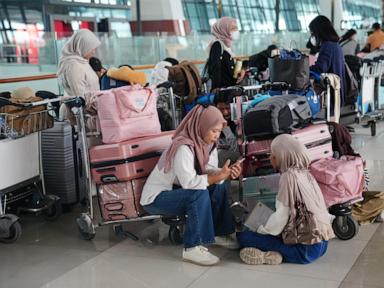
Forest fires forcing mass evacuations near major resort hubs in Antalya have exposed a terrifying vulnerability at the heart of Mediterranean tourism. Thousands of vacationers found themselves scrambling away from popular coastal spots as active flames encroached on hotel perimeters during the height of the summer season. The immediate narrative from local tourism boards focuses on swift emergency responses and minimal structural damage to luxury properties. That narrative is entirely inadequate. Behind the sanitized press releases lies a systemic failure of regional disaster preparedness, escalating climate volatility, and an industry model that prioritizes immediate occupancy rates over human safety.
The Anatomy of a Resort Evacuation
Antalya remains the crown jewel of Turkish tourism. Millions of international travelers descend upon its coastline every year, drawn by the promise of luxury resorts nestled between pine-clad mountains and the Mediterranean Sea. Those very pine forests are now ticking time bombs.
When a wildfire breaks out in the dry summer months, the topography dictates the chaos. Steep slopes covered in dense vegetation act as natural chimneys. Winds howling off the sea push walls of fire directly toward the densely built coastal strips where hotels stand shoulder to shoulder.
Evacuating these zones is a logistical nightmare. Access roads are notoriously narrow, often winding through single-lane coastal corridors choked with rental cars, tour buses, and panicked travelers. During recent emergency operations, local infrastructure buckled under the sudden surge of outbound traffic.
- Emergency communication systems failed to reach international guests in their native languages.
- Hotel staff were frequently left without standardized crisis protocols, improvising evacuation routes on the fly.
- Local emergency services were stretched thin, forced to choose between defending high-value commercial properties and protecting remote residential villages.
This is not an isolated weather anomaly. It is the new baseline for Mediterranean travel.
The Economic Addiction to Peak Season
Why do resorts remain open and fully booked during periods of extreme fire risk? The answer is simple arithmetic. The tourism sector operates on compressed operational windows. Operators must maximize revenue during June, July, and August to survive the leaner winter months.
Insurance policies cover property damage, but they rarely compensate for lost seasonal revenue. Consequently, management teams routinely downplay environmental warnings. Local authorities, deeply reliant on tourism tax revenues, are equally hesitant to issue preemptive travel restrictions or mandatory closures.
A dangerous game of chicken plays out every summer. Travelers arrive expecting an unblemished paradise, completely unaware that their hotel might lack basic defensible space management. Many properties sit dangerously close to overgrown brush, violating even rudimentary fire safety clearances because manicured lawns and natural pine aesthetics sell better on booking platforms.
The Myth of Complete Containment
Governments love to showcase aerial firefighting fleets. Water-dropping helicopters and massive fixed-wing tankers make for compelling television broadcasts. They project an image of absolute control.
They are also largely reactive tools. By the time a tanker begins its drop run over an Antalya resort corridor, the fire has usually breached containment lines through spotting—where burning embers are carried miles ahead of the main front by erratic winds.
Relying on air support is a symptom of poor land management. Decades of fire suppression policies have allowed dead wood and combustible underbrush to accumulate in the hills overlooking the coast. Without controlled burns and aggressive thinning programs during the off-season, every heatwave transforms the landscape into tinder.
What Travelers Are Not Being Told
Tour operators have a vested interest in maintaining the illusion of safety. When fires break out, the standard playbook involves relocating guests to unaffected properties further down the coast and counseling silence.
- Travel advisories from major origin countries like the United Kingdom, Germany, and Russia are frequently delayed or diluted to prevent mass cancellations.
- Refund policies for climate-related evacuations are a legal gray area, leaving many tourists out of pocket when they cut their trips short.
- Medical infrastructure in resort towns is rarely scaled to handle smoke inhalation casualties alongside standard seasonal tourist ailments.
Rethinking Coastal Resilience
If Mediterranean tourism is to survive the century, the entire operational framework must undergo a radical transformation. Cosmetic upgrades will no longer suffice.
Property developers must be legally mandated to implement hard buffers between resort boundaries and wildlands. This means clearing hundreds of meters of combustible vegetation, installing perimeter sprinkler systems tied to independent water reservoirs, and utilizing fire-resistant building materials rather than traditional timber accents.
Furthermore, evacuation planning cannot be left to individual hotel chains. Regional authorities need integrated, multi-modal emergency frameworks that include designated maritime evacuation routes. When land corridors are blocked by fire, moving thousands of tourists by ferry or high-speed boat is often the only viable escape path.
Until the industry stops treating climate disasters as rare PR crises and starts treating them as existential operational threats, travelers will continue to pay the price for corporate optimism. The flames are returning every summer. The question is whether the infrastructure will finally adapt before the next catastrophe catches everyone by surprise.