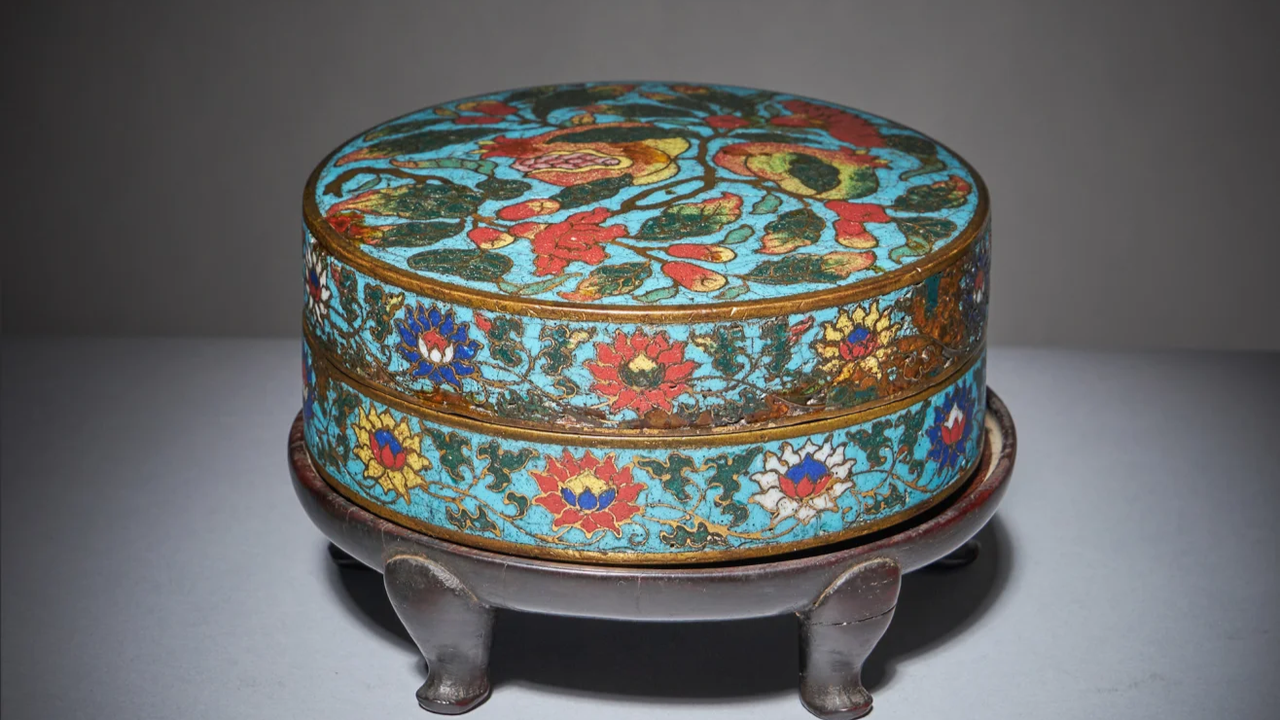
Every few months, the headlines wheel out the same tired fairy tale. Somebody climbs into a dusty attic, uncovers a chipped piece of porcelain bought for pocket change by a deceased relative, and watches auctioneers lose their minds as the hammer drops at six figures. The narrative is always packaged as a romantic triumph of the everyday person outsmarting the system through pure, unadulterated luck.
It is absolute nonsense.
Treating your grandmother’s storage space as a venture capital fund for forgotten artifacts is not investing. It is a severe cognitive failure masked by survivorship bias. For every headline about a Ming dynasty pomegranate box fetching two hundred eighty-eight thousand pounds after sitting under a leaky roof since nineteen forty-six, thousands of families throw away actual garbage or discover that their prized heirlooms are worthless factory reproductions mass-produced during the mid-twentieth century.
Let us dismantle the romanticized myth of attic archaeology and look at why treating historical material culture as a lottery ticket destroys actual generational wealth.
The Survivorship Bias Machine
Humanity loves a Cinderella story because it requires zero effort to consume. When an antique piece appreciates exponentially over eighty years, the media ignores the opportunity cost.
Imagine a scenario where your great-grandfather spent nineteen pounds in nineteen forty-six. That sum represented a meaningful amount of capital in post-war Britain. If he had deployed that exact capital into productive, compounding assets with even modest historical returns, the compounding growth over eight decades would dwarf the proceeds of a sudden auction house windfall.
Instead, capital sat immobilized in a ceramic box. It generated zero dividends. It produced no cash flow. It offered no utility other than collecting dust mites. The owner paid an invisible tax every single day through lost liquidity, storage risk, and insurance overhead, assuming they even bothered to insure it.
When you factor in inflation, maintenance, and the sheer probability of total loss due to a single clumsy houseguest or an attic fire, holding raw antiquities without institutional preservation standards is a terrible financial vehicle. The auction win is not a brilliant strategy; it is a statistical anomaly celebrated by people who do not understand variance.
The Authenticity Trap And The Expert Gatekeepers
The secondary market for high-end antiquities operates on an opaque, clubby ecosystem that protects its own interests. When a rare piece of porcelain enters the valuation pipeline, the owner is immediately subjected to an expensive education in provenance.
Valuation is not an exact science backed by algorithms; it is a subjective consensus driven by a handful of tastemakers and auction houses whose financial incentive is tied directly to high hammer prices. They charge steep buyer and seller premiums, taking a massive cut of the transaction while the amateur finder feels like they just hit the lottery.
Furthermore, the market is flooded with high-end forgeries that have fooled experts for centuries. Chinese porcelain has been heavily copied since the Qing dynasty, with later dynasties meticulously replicating Ming styles as tributes. Amateurs routinely mistake high-grade nineteenth-century revival pieces for sixteenth-century imperial wares. Relying on an attic find to rescue your personal balance sheet is like playing Russian roulette with a fully loaded financial future.
Liquidity Is King And Antiquities Are Dead Weight
We live in an era where capital efficiency dictates success. Wealth is built through mobility, rapid asset allocation, and compounding returns in productive enterprises.
An antique porcelain box sitting in a cardboard box is the exact opposite of liquid. If you face a sudden cash crunch, you cannot slice off a piece of the Ming glaze to pay your hospital bill. You are entirely at the mercy of auction cycles, catalog deadlines, and buyer sentiment on a specific Tuesday afternoon.
If the market for imperial Chinese ceramics experiences a downturn due to macroeconomic shifts or regulatory changes in international capital flows, your two-hundred-thousand-pound valuation vanishes on paper before you can secure a bid. True wealth protects its downside through diversification. Sticking your net worth in old ceramic is a relic of feudal economics.
Stop Treating Storage Like A Retirement Plan
The obsession with attic treasures reflects a deeper cultural refusal to engage with disciplined financial planning. People prefer the fantasy of a miraculous, life-altering discovery over the grinding, unglamorous reality of index funds, real estate amortization, and steady cash-flow generation.
Clear out the clutter. Sell the junk for what it is actually worth on the open market without romanticizing its history. If you actually own a museum-grade imperial artifact, stop letting it gather dust next to broken Christmas decorations and place it where it can be properly curated, or liquidate it immediately to fund assets that work while you sleep.
The attic is not a vault. It is a graveyard for missed financial opportunities.