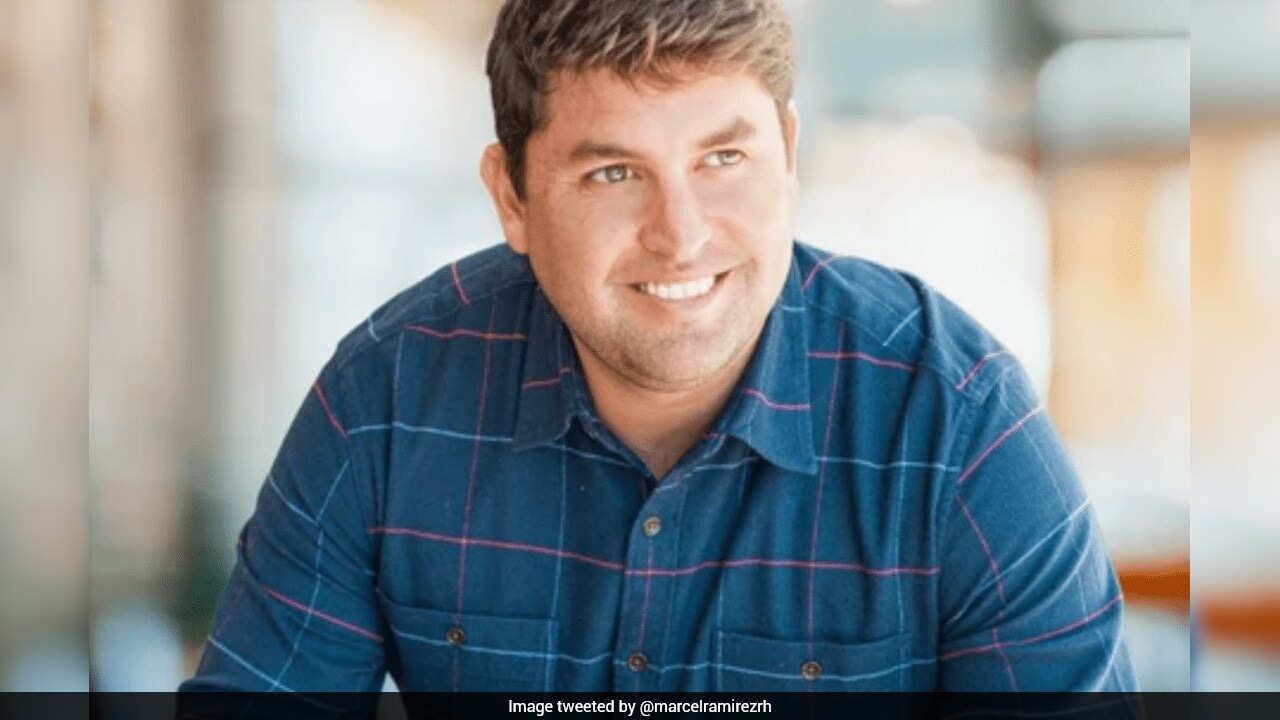
Miami food entrepreneur Roger Duarte and six others lost their lives on August 19, 2026, when a chartered tourist helicopter crashed near Mount Ololokwe in Samburu County, northern Kenya. Duarte, best known as the founder of George Stone Crab and co-founder of My Ceviche, was 42. The single-engine Eurocopter EC130 B4, operated by Lady Lori Helicopters and carrying guests of the luxury safari company &Beyond, went down at approximately 9:13 a.m. local time while flying toward the Ewaso Nyiro River. There were no survivors.
The disaster claimed a tightly knit circle of prominent figures from international business, media, and intelligence. Alongside Duarte, the victims included José Alberto Suárez, president and general manager of Telemundo-owned stations in Florida; Michele Sensi-Contugi, director-general of Ecuador's Strategic Intelligence Center, and his wife, Stephany Hollihan; American travelers Adam Hlavaty and Henry Parra; and the experienced Kenyan pilot, Josh Outram. Five of the seven victims were United States citizens. Learn more on a related subject: this related article.
Anatomy of a Remote Disaster
Northern Kenya's vast, rugged topography makes aviation a primary lifeline for high-end tourism. Wildlife conservancies like Loisaba and Suyian rely heavily on charter flights to move travelers across massive distances of brush and escarpments. Mount Ololokwe, a sacred flat-topped monolith rising more than 6,500 feet above the surrounding plains, is a crown jewel of the Samburu tourist circuit.
Eyewitness accounts from local guides describe erratic movement moments before impact. According to local reports, the aircraft circled the monolith before striking the rock face and losing altitude. Kenya's Civil Aviation Authority (KCAA) and the Air Accident Investigation Department immediately opened inquiries to determine the exact mechanical or environmental triggers. Investigators face grueling terrain; the wreckage settled in a remote, heavily forested pocket of Samburu County, complicating data retrieval and black-box recovery. Further analysis by The New York Times explores similar views on this issue.
A Legacy Built on Ambition
Duarte’s death cuts short a remarkable entrepreneurial arc. Abandoning a traditional path in investment banking at age 24, he dove headfirst into Miami’s culinary ecosystem. What began as a modest enterprise buying stone crabs wholesale and hawking them to neighbors on Key Biscayne evolved into a nationwide shipping operation. Recognition followed, including a coveted spot on the Forbes 30 Under 30 Food list.
Beyond George Stone Crab, Duarte expanded his footprint by co-founding My Ceviche with chef Sam Gorenstein in 2012, cementing his status as a fixture in South Florida’s hospitality scene. His network extended deeply into Miami royalty through his marriage to Nicole Valls Duarte, whose family founded iconic local establishments like Versailles and La Carreta. Friends and industry peers remember him not merely for his commercial instincts, but for an infectious warmth that bridged corporate boardrooms and neighborhood kitchens.
The Broader Impact
The tragedy ripples far beyond the culinary world, striking at the heart of Hispanic media and international geopolitics. Suárez spent two decades shaping Spanish-language broadcasting across Texas and Florida, guiding newsrooms through major regional coverage with a steady, mentoring hand. Meanwhile, the presence of Sensi-Contugi—a key security official under Ecuadorian President Daniel Noboa's administration—has drawn intense scrutiny from international security analysts monitoring government travel safety protocols abroad.
As families finalize arrangements to repatriate their loved ones, the KCAA and independent aviation experts continue combing through maintenance logs, weather patterns at the time of takeoff, and flight recorder telemetry. The final answers will take months to crystallize, leaving a permanent scar on the communities that span from Miami's coastlines to the East African savannah.