When missiles fly near the Red Sea or tankers get seized in the Persian Gulf, most people watch the ticker tape and wonder how much oil prices will jump. Filipino sailors watch the horizon and wonder if their next paycheck will clear.
It's easy to assume seafarers take those routes out of sheer desperation or ignorance. Honestly, that gets the math backward. For tens of thousands of Filipino crew members, sailing through volatile Middle East waters isn't a blind gamble. It's a calculated financial trade-off built on wage gaps, family obligations, and a global shipping system that depends on their labor while leaving them exposed when geopolitics turns ugly.
The economics behind Filipino sailors in high risk zones
If you haven't worked in crewing or maritime logistics, you might picture a simple choice between safe work and risky work. Out on the water, it doesn't look like that. A Filipino seafarer working aboard an international merchant vessel can earn several times what a comparable job pays back home in the Philippines, where overseas remittances remain a backbone of household income and national stability.
Take a look at how global shipping operates. Roughly a quarter of the world's seafarers are Filipino, making the Philippines the single largest supplier of maritime ratings and officers in international trade. Vessels moving crude oil, liquefied natural gas, containers, and bulk cargo between Asia, Europe, and the Middle East rely heavily on these crews to keep supply chains moving. When chokepoints like the Strait of Hormuz, the Persian Gulf, or shipping lanes near the Bab el-Mandeb strait and Red Sea heat up, cargo still has to move unless owners reroute or pause sailings.
Higher risk sometimes brings hazard pay or war risk bonuses, depending on the vessel's flag, trade route, and collective bargaining agreement. Yet those extra dollars rarely feel like a windfall when you're sleeping a few decks away from a potential drone strike or boarding party. Even when bonuses exist, crew members often weigh short-term hazard premiums against losing a contract altogether if they refuse a leg of the voyage.
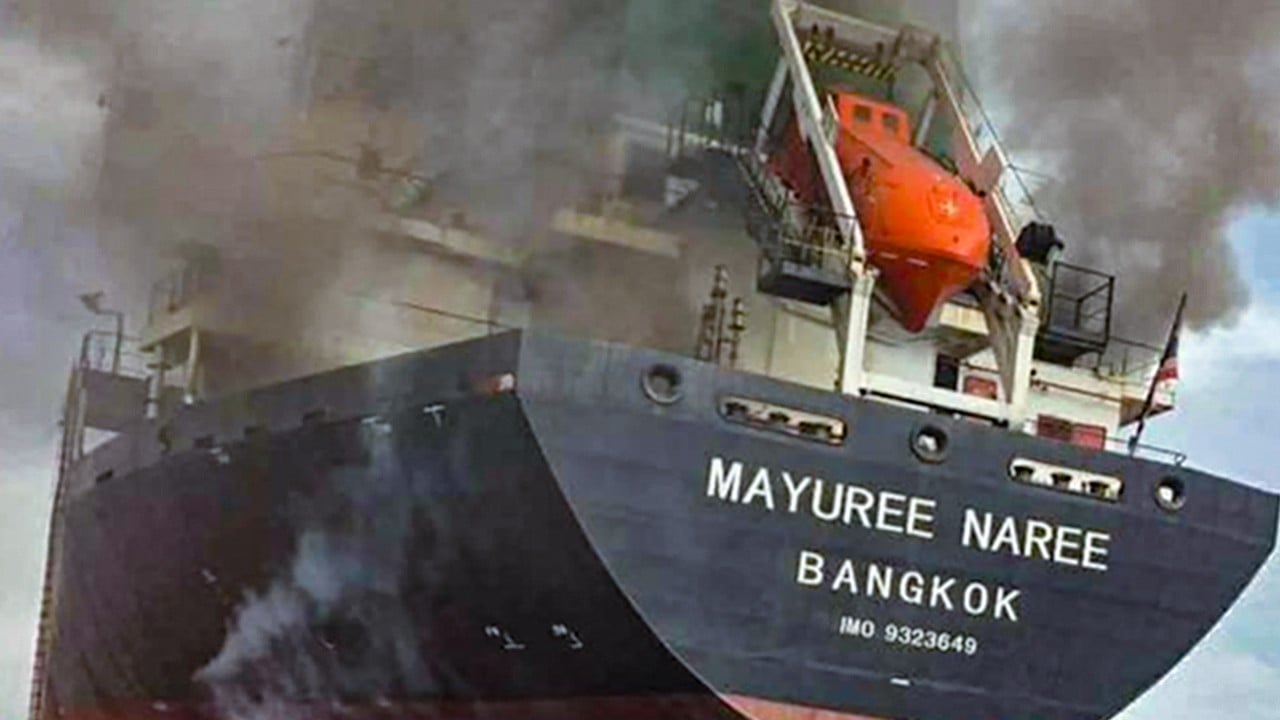
A common mistake outsiders make is treating all merchant ships as if they carry military protection. Most commercial ships are lightly armed at best, or completely unarmed, relying on evasive maneuvers, citadel drills, routing adjustments, and naval coalitions when tensions flare. A seafarer isn't a soldier. When geopolitical conflict spills into commercial sea lanes, the people standing watch on the bridge or working in the engine room are civilians doing a job.
Why walking away isn't as simple as it sounds
Refusing to sail through a conflict zone sounds straightforward on paper. In practice, turning down a voyage or leaving a ship mid-contract creates a web of financial and career consequences that few land-based workers ever face.
First, there's the family equation. Many Filipino seafarers are supporting parents, spouses, children's tuition, mortgages, or medical bills back home. A single missed allotment or an early contract termination doesn't just trim discretionary spending. It can throw an entire household budget off track.
Second, maritime careers run on reputation, availability, and contract continuity. Crews sign fixed-term employment contracts—often lasting several months—and getting repatriated early due to fear or refusal can complicate future deployments, depending on the circumstances and the manning agency involved. While international maritime standards and national regulations govern seafarer welfare and repatriation rights, the real-world pressure to finish the contract and earn the full agreed sum is intense.
You don't just pack a bag and walk off a vessel in the middle of the Arabian Sea or the Red Sea. Repatriation requires port access, flights, paperwork, and coordination—and when regional airspace or ports get disrupted, getting home gets complicated fast.
There's also a psychological factor that land-based observers tend to understate. Experienced mariners develop a hardened pragmatism. They run emergency drills, listen to security briefings, watch maritime advisories, and convince themselves—often with good reason—that the odds of a single specific ship getting hit remain relatively low on any given day. Routine dulls fear. That's human nature, not recklessness.
What shipping companies and regulators get right—and where they fall short
To be fair to reputable shipowners and maritime authorities, the industry isn't completely indifferent to crew safety. Major shipping lines track maritime threat assessments closely, adjust transit speeds, use hardened safe rooms (often called citadels) on high-risk transits, and occasionally reroute vessels around southern Africa when Red Sea threats spike. Organizations like the International Maritime Organization set global frameworks for maritime security and seafarer protection, while the International Labour Organization establishes baseline labor standards under the Maritime Labour Convention.
Still, gaps show up when commercial pressure collides with geopolitical volatility. Rerouting around the Cape of Good Hope adds days or weeks of fuel burn and charter costs. That creates a tug-of-war between safety, schedule reliability, and profit margins.
Seafarers often point out that policy decisions happen far away from the deck plates. Crew members may get late notice of route changes, confusing guidance on war risk zones, or uneven communication about insurance coverage and family support if an incident happens. Transparency varies wildly from one operator to another. Some companies communicate clearly and support crews aggressively; others treat safety updates like a compliance checkbox.
Another uncomfortable reality is how quickly public attention fades. When a tanker is attacked or hostages are taken, headlines flare for a week or two. Then the news cycle moves on to another story, while the next rotation of Filipino crew members boards flights to join ships heading back toward the same regions.
Misconceptions about seafarers in Middle East waters
Let's clear up a few myths that keep floating around whenever shipping news heats up.
- Myth: Filipino sailors only take these routes because they don't know the danger. Wrong. Seafarers are some of the most plugged-in news consumers on earth when they have satellite internet. They read maritime bulletins, talk to friends on other ships, and know which straits and gulfs carry elevated risk.
- Myth: High hazard pay automatically makes the risk worth it. Not necessarily. Extra pay helps, sure, but money doesn't stop shrapnel, and disputes over exact bonus triggers or transit boundaries still happen.
- Myth: Governments can just ban crew from sailing there. Sweeping bans sound decisive, yet global supply chains are deeply intertwined, and unilateral restrictions can push crews into gray areas or cost them jobs without solving the underlying security problem.
- Myth: Every ship in the region is a sitting duck. Most transits still pass through without direct attack, thanks to naval escorts, intelligence sharing, evasive routing, and sheer ocean scale. Low probability doesn't mean zero risk, though—and when a ship is targeted, the stakes are life and death.
Practical steps for seafarers, families, and maritime stakeholders
If you're a seafarer heading toward high-risk waters, a family member waiting back home, or someone working in logistics or maritime policy, relying on vague reassurance isn't enough. A few concrete habits make a real difference.
- Verify contract terms and risk definitions before departure. Read the employment agreement and collective bargaining terms carefully so you know how high-risk areas, war risk bonuses, medical coverage, and repatriation rights are defined in writing—not just promised verbally.
- Set up a clear family communication and emergency plan. Agree on check-in schedules, alternate contact channels when satellite links go down, and where key documents, allotments, and emergency contacts are stored back home.
- Track official maritime advisories rather than rumor. Rely on credible maritime security updates and flag-state or company briefings rather than dockside gossip or unverified social media posts.
- Push for real transparency on routing and drills. Whether you're on board or managing operations, treat security briefings and citadel drills as serious operational practice rather than rushed formalities.
At the end of the day, Filipino sailors keep sailing through troubled Middle East waters because global trade keeps pulling them there—and because providing for their families back home remains a pull stronger than almost any headline risk.