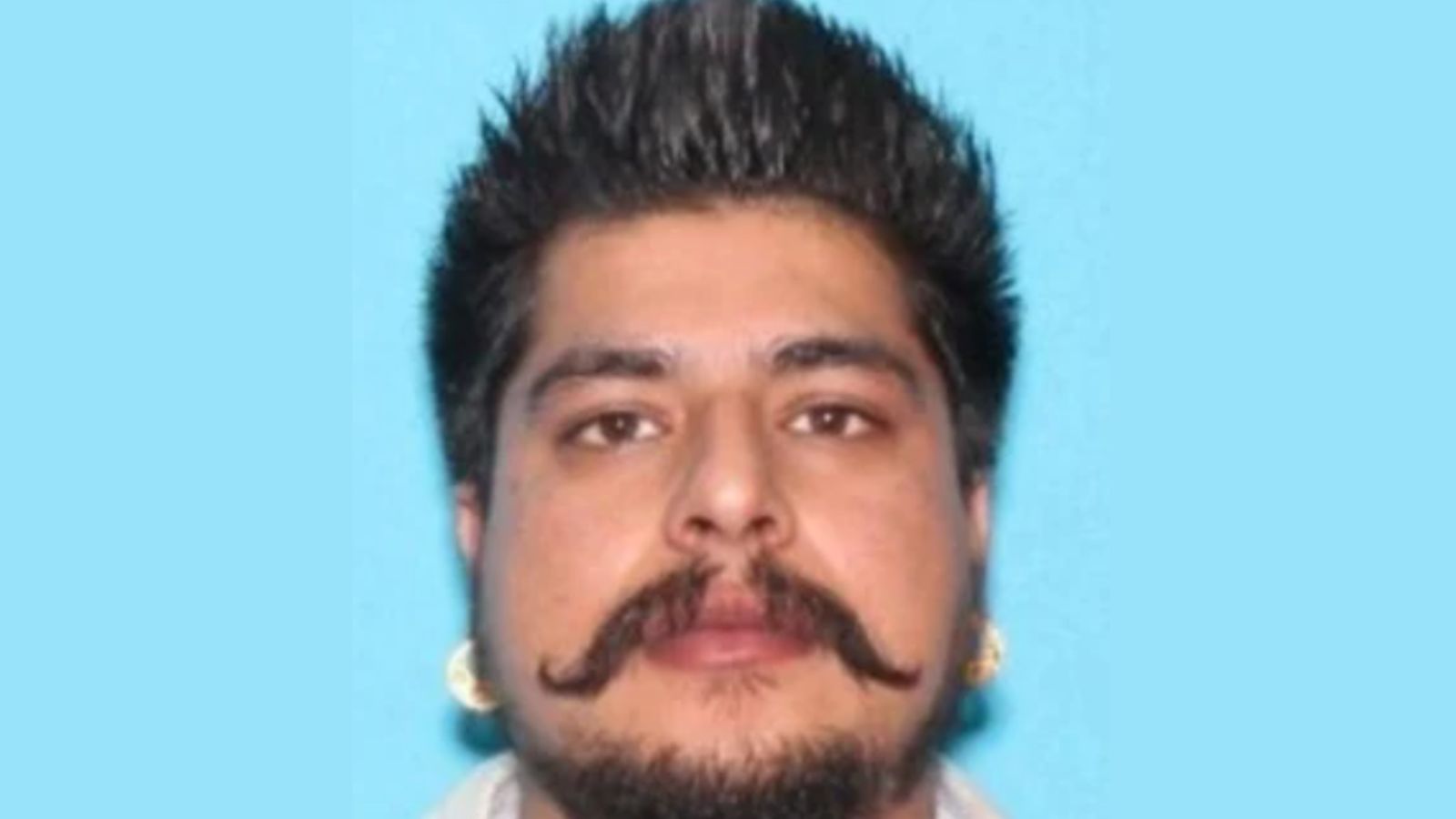
The FBI just sent a massive shockwave through the world of transnational crime. On July 16, 2026, federal agents in Vermont cornered and arrested 26-year-old Nitish Kaushal, also known by his street name "Lala".
Just forty-eight hours earlier, the FBI had plastered Kaushal’s face on its "Most Wanted" list. Now, his red-stamped federal profile reads a single, definitive word: Captured.
This isn't just another local arrest. Kaushal's apprehension is a major victory in a high-stakes, international chess match. It exposes a deeply unsettling reality: Indian prison-based gangs are no longer just a local issue for police in Punjab. They have successfully exported their brand of extreme violence, extortion, and human smuggling directly into the heart of the United States.
If you think this is a minor story about a low-level fugitive, you're missing the bigger picture. This arrest reveals how foreign syndicates are actively exploiting America's northern border and why the US Department of Justice is deploying its heaviest legal weapon—the RICO Act—to crush them.
The Rise of the Bhagwanpuria Crime Syndicate
To understand why the FBI wanted Kaushal so badly, you have to understand the syndicate he allegedly served.
Kaushal is a suspected key enforcer for the Jaggu Bhagwanpuria Organized Crime Group (OCG). The syndicate originated in Punjab, India, under the leadership of its namesake, Jaggu Bhagwanpuria.
[Jaggu Bhagwanpuria (Imprisoned in India)]
       │
       ▼ (Global Expansion: 1,000+ Members)
[Transnational Operations: US, Canada, UK, Australia]
       │
       ▼ (US Enforcers & Fugitives)
[Nitish Kaushal (Arrested in Vermont)]
Though Bhagwanpuria is currently locked up behind bars in India, his gang hasn't skipped a beat. In fact, it has grown exponentially. The syndicate boasts more than 1,000 active members worldwide, with at least 100 operatives running wild inside the United States.
The group doesn't specialize in just one area. They run highly sophisticated, multi-million dollar portfolios that include:
- Contract killings and violent assaults
- International drug trafficking
- Weapon smuggling and money laundering
- Extortion schemes targeting wealthy South Asian diaspora families
- Human smuggling operations across US borders
Kaushal wasn't a white-collar accountant hiding behind a keyboard. The FBI alleges he was a boots-on-the-ground enforcer who personally orchestrated and carried out brutal kidnappings and violent assaults across California to keep the syndicate’s victims terrified and compliant.
The Vermont Border Arrest and Operation Hard Ball
On June 25, 2026, a federal grand jury in the Central District of California quietly indicted Kaushal, triggering a federal arrest warrant. Realizing the law was closing in, "Lala" went on the run.
He didn't make it very far.
Early on Thursday morning, US Border Patrol agents patrolling the cold, rural forests of the Vermont-Canada border spotted Kaushal. Working closely with the FBI’s Albany and Los Angeles field offices, tactical units moved in and detained him without incident.
The timing of his capture isn't an accident. It comes on the heels of Operation Hard Ball, a massive, multi-agency offensive designed to tear down the infrastructure of Indian-origin gangs operating on US soil.
Federal prosecutors recently charged 34 individuals linked to three major Indian syndicates: the Lawrence Bishnoi gang, the Dhanda group, and the Bhagwanpuria OCG. While 15 of those suspects were quickly swept up in initial raids—many of whom were living illegally in the US—Kaushal was one of 11 high-profile fugitives who slipped through the net.
His arrest in Vermont suggests he was actively trying to slip across the northern border into Canada to escape federal custody.
Why the US Government is Using the RICO Hammer
The charge leveled against Kaushal is telling: Racketeer Influenced and Corrupt Organizations (RICO) Conspiracy.
If that sounds familiar, it's because RICO is the exact same law the US government used to dismantle the Italian Mafia in New York during the 1970s and 1980s. It’s a devastating prosecutorial weapon.
Normally, if a gangster orders a hit or runs an extortion racket, prosecutors have to prove that specific individual committed that specific physical act. Under RICO, prosecutors only have to prove that the defendant was an active participant in a "criminal enterprise" and engaged in a pattern of racketeering.
How RICO Changes the Rules: If you are a member of a syndicate, and another member of your syndicate commits a murder or smuggles drugs to advance the group's goals, you can be charged with the conspiracy of those crimes. It strips away the shield of deniability that gang leaders and high-level enforcers rely on.
By leveling RICO charges against Kaushal and his associates, the Department of Justice is signaling that they are treating these Punjabi-origin gangs with the same severity as the cartel networks or the traditional mob. It also carries brutal penalties. If convicted, Kaushal faces a mandatory minimum of 10 years in federal prison, with a very real possibility of a life sentence without the chance of parole.
The Local Police Connection You Didn't Hear About
What most standard news reports miss is the terrifying level of international collusion behind these syndicates. These gangs aren't just street punks; they have managed to compromise actual law enforcement networks.
Take the case of Gurinderjit Singh, a literal Punjab Police officer in India. US federal prosecutors have charged Singh with actively working as an associate of the Bhagwanpuria gang.
Singh allegedly used his official position and authority to help the gang extort roughly $400,000 from a family living thousands of miles away in Los Angeles, California.
This is why these syndicates are so incredibly dangerous. They use local, corrupt police power in India to threaten the families of immigrants living in America. If an immigrant business owner in California refuses to pay "protection money" to the gang's US operatives, their parents, siblings, or cousins back home in Punjab face immediate violence, arrest, or death.
What Happens Next
With Nitish Kaushal now sitting in a federal holding cell, the focus shifts to the remaining fugitives targeted in Operation Hard Ball.
The FBI has made it clear that their operations are expanding. If you are a business owner or a member of the South Asian diaspora facing threats, extortion, or suspicious demands from individuals claiming ties to these syndicates, do not try to handle it internally.
The FBI has established dedicated hotlines and secure online portals to receive anonymous tips. Federal law enforcement is actively hunting the remaining members of these networks, and your information could be the key to the next major arrest. Reach out to your local FBI field office or submit a secure, digital tip directly at tips.fbi.gov to help take these violent networks off the streets for good.