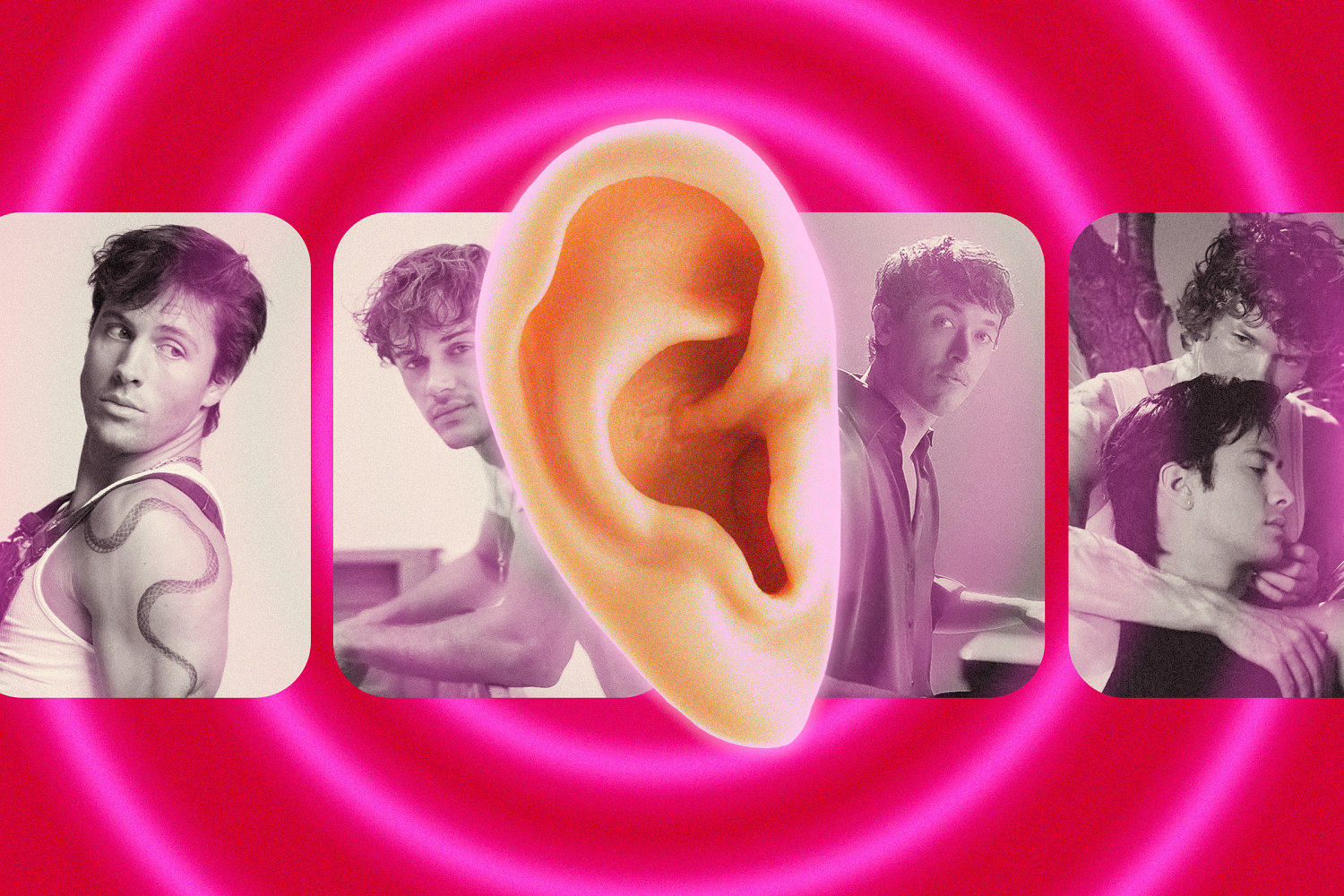
The era of the "internet boyfriend" has shifted from silent Tumblr gifs to high-fidelity audio. You know the ones. They’re the actors who dominate social media thirst traps and fan edits, usually playing the brooding lead or the sensitive best friend. Now, those same voices are migrating to apps like Quinn, Dipsea, and Bloom. It isn’t just a trend. It’s a massive pivot in how we consume celebrity culture and intimacy.
For years, if you wanted to hear a famous voice, you went to the cinema or turned on a prestige drama. Maybe you’d catch them narrating a nature documentary about penguins if they were feeling particularly academic. But the wall between the "prestige actor" and the world of audio erotica—or "spicy audio" as the TikTok algorithm prefers to call it—has crumbled. Big names are signing onto these platforms because they’ve realized that fans don't just want to watch them. They want to feel like they’re being spoken to directly.
The shift from screen to earbud
Audio erotica isn't new. It’s existed in the corners of Reddit and various indie sites for over a decade. What changed is the production value and the talent attached. When you have actors like Nicholas Galitzine or Jonathan Bailey becoming the face of romantic dramas, their voices become as much of a commodity as their looks.
Listening is more private than watching. It’s visceral. When you’re watching a movie, you’re an observer. When you have a high-quality recording of a familiar, gravelly voice whispering a script designed to make you blush, the experience becomes personal. The "parasocial relationship" we all joke about gets a serious upgrade.
Why big talent is saying yes to spicy scripts
You might wonder why an actor with a burgeoning film career would record audio that essentially amounts to a romantic fantasy. It’s about the "female gaze" and the "queer gaze." Traditional Hollywood often fails to prioritize the specific ways women and queer people experience desire. These audio platforms are built almost exclusively for those audiences.
Actors see this as a way to build a deeper, more loyal fan base. It’s also a smart career move. Recording a series of audio stories takes a fraction of the time it takes to film a pilot. It pays well. It keeps the "internet boyfriend" status alive between movie releases. Plus, there's a level of creative freedom. They can play characters that aren't restricted by a PG-13 rating or a studio's fear of being too "niche."
The tech making your fantasies sound real
We aren't talking about grainy microphone recordings here. The industry has moved toward spatial audio and binaural recording. This tech mimics how human ears actually pick up sound in a 3D space. If the actor "moves" to your left in the recording, it feels like they’re standing right there in your room.
What makes a voice go viral
- Vocal Fry: That slight crackle at the end of a sentence. It suggests exhaustion or intimacy.
- Pacing: Knowing when to pause. Silence in audio erotica is often more powerful than the dialogue itself.
- Texture: We like voices that sound like they have some history—a bit of rasp, a bit of depth.
Privacy and the new etiquette of consumption
There’s a reason these apps are booming while traditional adult sites struggle with certain demographics. These platforms emphasize consent and boundaries. The scripts are often written by women or non-binary creators who understand the importance of "aftercare" and "check-ins" within a narrative.
It’s a curated experience. You aren't stumbling upon something sketchy. You’re paying for a premium service that treats the listener with respect. This shift has removed much of the stigma. People talk about their favorite "scripts" on TikTok the same way they talk about book recommendations.
The competition for your attention
It's a crowded market. Quinn has carved out a space by partnering with creators who already have massive followings. Dipsea focuses on high-concept storytelling that feels like a short film for your ears. Even Spotify has dabbled in romantic fiction.
The real winner here is the listener. We’ve moved past the "bodice ripper" tropes of the 80s into something much more nuanced. You can find stories about "enemies to lovers," "comfort after a bad day," or just "slow-burn romance." The diversity of content means there's a voice and a scenario for literally everyone.
How to find the good stuff without the cringe
If you're new to this, the sheer volume of content can be overwhelming. Start by looking for "VA" (Voice Actor) tags on social media. Many actors who started in this space have transitioned to mainstream roles, and vice versa.
Don't just settle for the first thing you hear. Most of these apps offer a "free trial" or a few teaser chapters. Use them. Pay attention to the sound quality. If the "room tone" sounds like they’re in a bathroom, skip it. You want the ones that sound like they’re sitting on the edge of your bed.
A few things to look for
- Script Credits: Good platforms credit their writers. Check if the writer has a style you like.
- Content Warnings: Professional apps always list triggers or specific themes.
- Community Reviews: See what other listeners are saying about the chemistry. Sometimes a "big name" actor doesn't actually deliver the heat as well as a dedicated audio pro.
The rise of the "audio boyfriend" proves that intimacy is evolving. We’re craving connection in an increasingly digital and lonely world. If that connection comes through a pair of Noise-Canceling headphones and a familiar voice reading a script, so be it.
Check your app store and search for the top-rated "romantic audio" apps. Most offer a free "intro" story to get you acclimated to the format. Start with a "slice of life" story to see if the medium works for you before jumping into the more intense narratives. Turn the lights down, grab your best headphones, and see why everyone is obsessed.