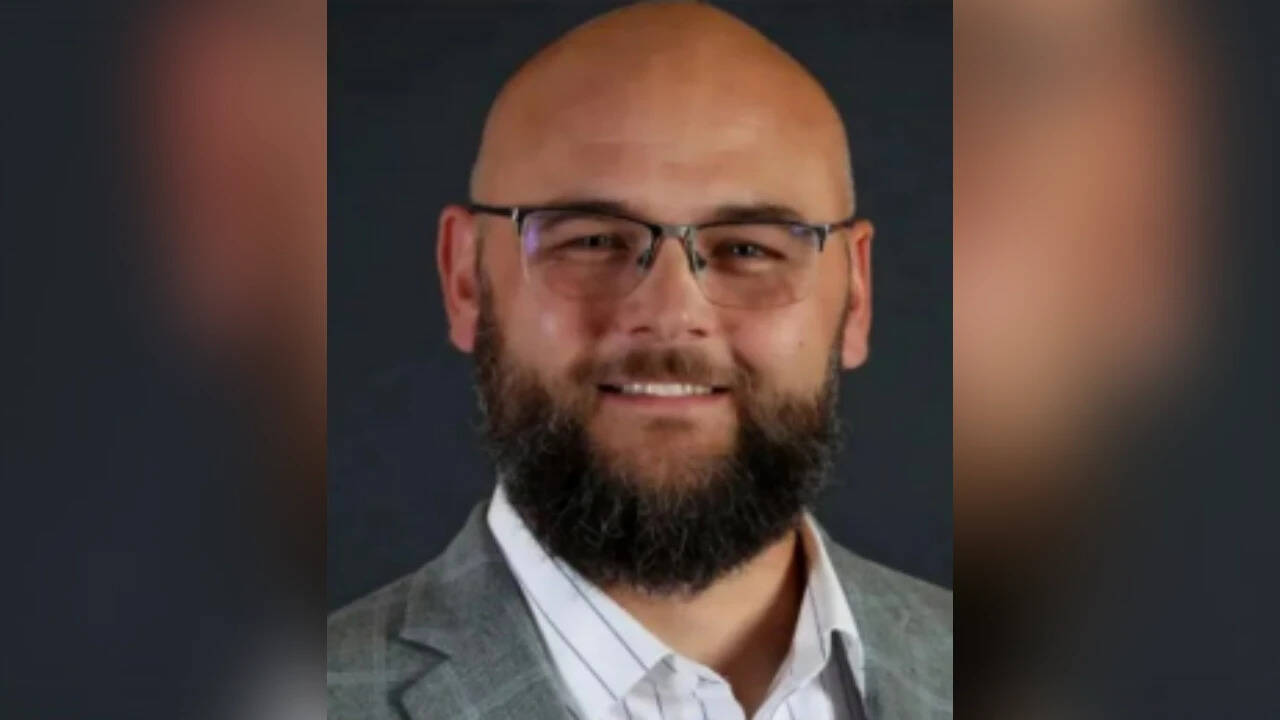
Englewood Mayor Pro Tem Joe Anderson set out before dawn on a late August morning to climb Quandary Peak, a towering 14,271-foot titan in Colorado's Tenmile Range. At just 45 years old, Anderson was an active public servant deeply invested in his community. By 6:40 a.m., on the lower slopes of the mountain, his journey turned tragic. Struggling to breathe, he collapsed. Bystanders immediately initiated cardiopulmonary resuscitation, and emergency responders rushed to the scene, but life-saving measures failed. His sudden death sent shockwaves through local government and communities across the state. Yet beneath the immediate sorrow lies a recurring, dangerous reality of the Rocky Mountains that claims lives with grim regularity regardless of how physically fit or experienced a person might feel.
Every year, thousands of outdoor enthusiasts flock to Colorado's iconic fourteeners. They chase the thin air and sweeping vistas without fully respecting the brutal physiological math governing high-altitude environments. When a public figure dies unexpectedly on a mountain trail, headlines often sensationalize the mystery. They ask what happened in those final moments on the rocky terrain. Medical examiners take weeks to release official autopsy findings, leaving a vacuum filled with speculation. But veteran mountain rescue personnel and high-altitude physiologists already know the script. The danger does not require advanced age or a sedentary lifestyle. It targets healthy adults by exploiting hidden vulnerabilities under extreme environmental stress.
The Invisible Pressure of Altitude Sickness and Cardiac Strain
At over 14,000 feet, the barometric pressure drops significantly. Even though the percentage of oxygen in the air remains roughly twenty-one percent, the molecules are far less compressed. Every breath delivers fewer molecules of oxygen to the bloodstream. The human body responds by ramping up heart rate and breathing depth to compensate for the sudden deficit. For someone coming from lower elevations, this metabolic shift happens fast.
Cardiovascular stress spikes exponentially. The heart must pump harder and faster just to maintain basic cellular oxygenation at rest. Add the rigorous physical exertion of ascending a steep mountain slope, and the cardiovascular system faces an immense burden. If an individual has an underlying, undiagnosed heart condition, or if acute mountain sickness triggers rapid fluid accumulation in the lungs or brain, the consequences can turn fatal within minutes.
Altitude does not negotiate. It strips away human margins for error. A seasoned local hiker can still fall victim if they ascend too quickly, fail to hydrate properly, or ignore early warning signs like chest tightness, unusual shortness of breath, or sudden dizziness.
The Myth of Invincibility Among Local Leaders
Public servants often carry immense stress. The relentless demands of municipal governance, infrastructure projects, zoning battles, and constituent advocacy create chronic, low-grade cortisol overload. When leaders like Anderson carve out brief windows for recreation, they often transition abruptly from sedentary desk work and late-night council meetings to high-intensity physical endurance challenges.
This weekend warrior syndrome poses a silent threat. The human body cannot pivot instantly from high stress and low physical conditioning to scaling a 14,000-foot peak without paying a toll. Public perception assumes that community leaders who maintain active lifestyles are immune to sudden medical crises. Statistics from mountain rescue teams prove otherwise. Cardiac events on trails frequently strike middle-aged adults who believe their regular routine shields them from sudden failure.
Understanding the Protocol of Mountain Rescues
When a hiker collapses on a remote trail, the logistics of emergency response become a race against geography. On Quandary Peak, despite a relatively accessible trail compared to other technical climbs, first responders face steep terrain, changing weather, and high elevation limits. Bystanders who step up to perform immediate CPR serve as the only bridge between survival and tragedy.
Yet, community members must confront uncomfortable truths about backcountry safety. Emergency medical services cannot teleport to an elevation above 14,000 feet. Response times stretch across precious minutes while dispatchers coordinate teams, pack specialized gear, and navigate rocky switchbacks. When oxygen deprivation affects the brain or heart, those minutes dictate the boundary between recovery and permanent loss.
Communities mourning a leader often focus entirely on the emotional void left behind. Tributes pour in recalling acts of personal kindness, legislative victories, and dedication to local infrastructure. Those tributes matter. They capture the essence of a life spent in service to others. But honoring a legacy of public service also demands an honest reckoning with the physical realities that cut that service short.
The trails of the Rocky Mountains will continue to call to hikers seeking solitude, challenge, and connection with nature. Those trails demand absolute humility. Altitude respects neither political office nor civic contribution. Every ascent requires recognizing that human physiology has hard limits, and ignoring those boundaries carries a final price.