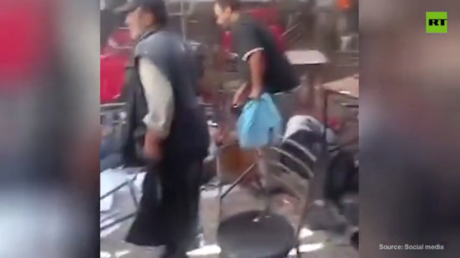
A devastating head-on collision between a commuter bus and a heavy-duty truck in South Africa’s Free State province has left at least 16 people dead and 20 others critically injured. The disaster, which occurred during peak morning transit hours on a notoriously poorly maintained stretch of provincial highway, underscores a systemic national crisis. Initial emergency response reports indicate that one of the vehicles attempted to swerve around a massive tarmac depression before losing control. This tragedy is not an isolated incident of driver error. It is the direct consequence of a collapsing public logistics framework and failed regulatory oversight.
While surface-level news reports focus exclusively on the immediate body count, the real story lies in the structural rot of the nation's transport sector. Road infrastructure has deteriorated past the point of simple repair. At the same time, the state's failure to maintain a functioning freight rail network has forced millions of tons of heavy cargo onto roads never designed to sustain such volume.
The Anatomy of a Avoidable Disaster
The mechanics of the crash reveal a familiar pattern to anyone tracking logistics in the region. A bus carrying dozens of working-class commuters collided with a multi-axle freight truck. The impact was catastrophic.
Emergency workers arriving at the scene faced a mass casualty environment. They lacked the heavy cutting equipment needed to quickly extract victims from the crushed steel chassis. This delay almost certainly increased the final death toll.
Survivors recount a sudden, violent swerve just seconds before the impact. Local traffic investigators are focusing on a series of severe potholes that have plagued this specific route for over twenty-four months. When a heavy vehicle hits these structural defects at high speed, tire blowouts or steering column failures are frequent outcomes.
The state usually blames human error. It is a convenient shield. By attributing every mass casualty event to reckless driving or speeding, transport officials avoid accountability for the physical state of the roads. Drivers do bear responsibility for operating safely under given conditions, but the state bears the responsibility of ensuring those conditions do not resemble a combat zone.
The Death of Rail and the Cargo Influx
To understand why South African roads have become so deadly, you have to look at the tracks. Decades ago, the vast majority of heavy freight—mining outputs, agricultural bulk, and industrial equipment—moved via a comprehensive state-run rail network. That network is now largely dormant, crippled by endemic copper cable theft, vandalism, and monumental operational mismanagement.
As rail efficiency plummeted, logistics companies shifted their cargo to the tarmac. The result was a massive influx of heavy trucks onto secondary and tertiary roads.
- Accelerated Wear: A single fully loaded freight truck causes thousands of times more structural damage to a road surface than a standard passenger vehicle.
- Corridor Congestion: Major arterial routes are now choked with long-haul convoys, forcing passenger buses into risky overtaking maneuvers.
- Driver Fatigue: Truck operators are frequently pushed past legal driving hour limits by logistics firms desperate to meet tight delivery windows in a cutthroat economic climate.
This shift has transformed provincial routes into high-stakes obstacle courses. Commuter buses, which represent the only affordable long-distance transport option for the majority of the population, must share these deteriorating corridors with massive freight haulers. The margin for error is non-existent.
Regulatory Failure and the Illusion of Enforcement
South Africa does not suffer from a lack of traffic laws. It suffers from a complete breakdown in their execution.
National transport policies mandate strict vehicle fitness testing for all public transport operators. Every bus must undergo regular roadworthiness inspections. Yet, corrupt testing centers frequently issue passing certificates to vehicles with bald tires, compromised braking systems, and structural rust.
The bribery pipeline is an open secret. A traffic officer stopping an overloaded or visibly defective vehicle on a highway often accepts a cash payout rather than impounding the transport. This systemic graft keeps lethal machines on the road day after day.
The Problem with Freight Monopolies
Large logistics cartels wield significant political influence. They actively lobby against stricter road-freight regulations and push back on mandatory electronic logging devices that track driver fatigue. Because the economy is entirely dependent on these trucks to move goods to ports, the government rarely enforces the penalties that could force a change in corporate behavior.
Smaller bus operators face intense financial pressure. Profit margins are razor-thin due to rising fuel costs and economic stagnation. To survive, operators delay routine maintenance, buy retreaded tires of questionable quality, and demand that drivers work double shifts without adequate rest.
The Disproportionate Burden on the Working Class
The victims of these highway massacres are almost exclusively members of the working class. They are the factory workers, domestic staff, and seasonal laborers who cannot afford private vehicles or domestic flights.
They are forced into an unacceptable calculation. They must risk their lives on unsafe buses just to reach their workplaces. The economic cost of these accidents extends far beyond the immediate loss of life. Families lose their primary breadwinners, plunging already vulnerable households deep into generational poverty.
Medical infrastructure in rural provinces is unequipped to handle the sudden influx of trauma patients from a major bus accident. Local clinics lack blood supplies, advanced imaging technology, and specialized trauma surgeons. Many survivors suffer permanent disabilities that could have been avoided with immediate, high-level medical intervention.
The Structural Fix That Will Not Happen
Fixing this crisis requires a complete overhaul of national logistics priority tracking. Patching potholes is a temporary fix that washes away with the first heavy rain.
The only viable solution is a massive, multi-billion-dollar reinvestment in securing and modernizing the freight rail network to remove the heavy trucking burden from the roads entirely. This must be coupled with an aggressive, independent anti-corruption task force embedded within vehicle testing stations and highway patrol divisions to end the culture of impunity.
Political will for such a sweeping transformation is entirely absent. Government budgets are constrained by debt servicing and failing state-owned enterprises. True reform requires admitting decades of policy failure and confronting powerful transport unions and trucking lobbies that benefit from the status quo.
Until the freight belongs back on the tracks and traffic enforcement is stripped of its systemic corruption, these provincial roads will remain assembly lines for tragedy. The 16 lives lost in the Free State are not statistics in a freak accident. They are the predictable price of a nation's logistical decay.