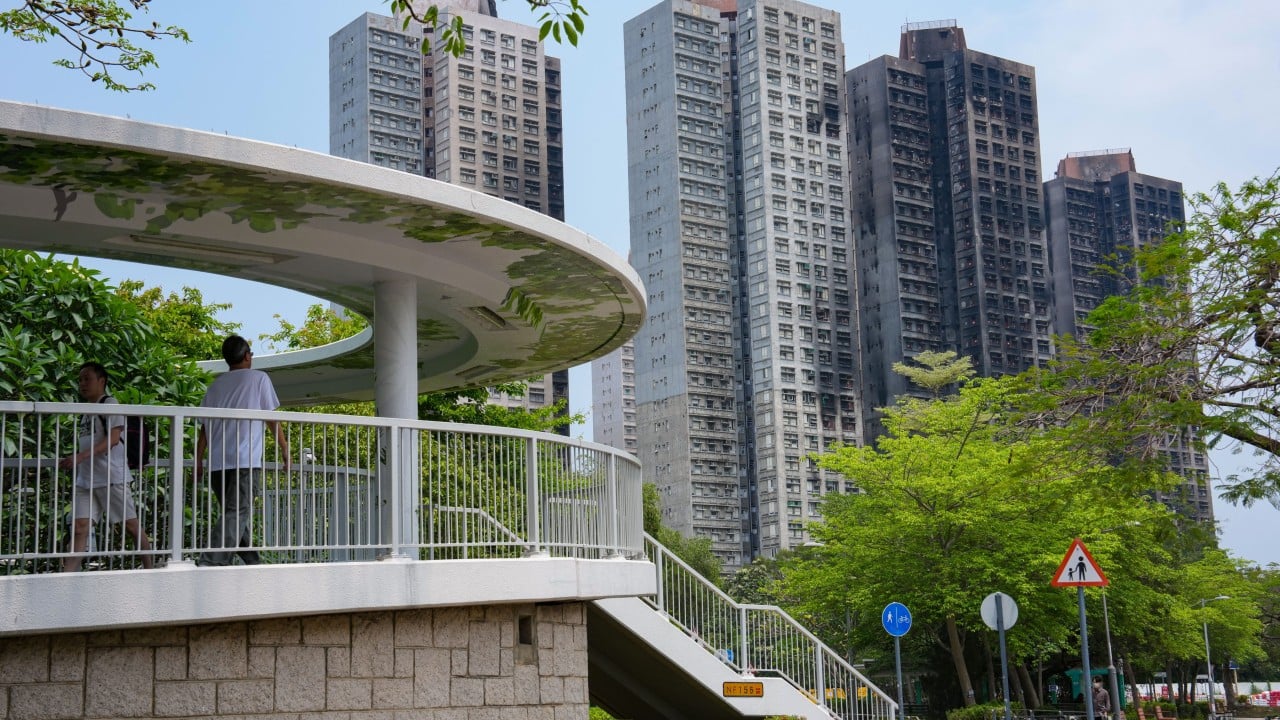
The smoke has cleared over Tai Po, but the stench of systemic incompetence remains. When a major industrial fire breaks out, the public expects a synchronized response from the departments funded by their tax dollars. Instead, the recent probe into the Tai Po blaze reveals a fractured command structure where departments operated in silos while the flames spread. The fire chief’s recent admission that authorities "could have collaborated better" is more than a polite understatement. It is a confession of a breakdown in the very protocols designed to keep the city safe.
This was not a failure of equipment or bravery. The firefighters on the ground did their jobs. The failure occurred at the intersection of bureaucracy and emergency management, where vague communication channels and overlapping jurisdictions created a vacuum of leadership.
The Friction in the Chain of Command
In any high-stakes emergency, the first sixty minutes determine the outcome. In Tai Po, those minutes were squandered on jurisdictional ambiguity. When multiple agencies—Fire Services, Police, Environmental Protection, and Buildings Department—converge on a site, there is a theoretical framework for a "unified command." On paper, it looks like a well-oiled machine. In reality, it functioned like a group of strangers trying to assemble furniture without the manual.
The investigation highlights a recurring theme in modern urban management. We have the technology to track every heartbeat of a first responder, yet we cannot seem to get two department heads to share a radio frequency effectively. The "collaboration" the fire chief alluded to wasn't just about talking; it was about the authority to make decisions. When a Fire Officer needs a building's structural blueprints and the Buildings Department representative is stuck in a different briefing, time dies.
Information Black Holes
The most damning evidence from the probe involves the delay in environmental warnings. As the fire consumed industrial materials, a plume of potentially toxic smoke drifted toward residential clusters. The Environmental Protection Department (EPD) has sensors, and the Fire Services Department (FSD) has the site access. Yet, there was a measurable lag between the identification of hazardous particulates and the notification of local residents.
Why? Because the data had to be verified, scrubbed, and approved through a hierarchy that wasn't designed for the speed of a chemical fire.
The Cost of Siloed Data
- Lag Time: Real-time air quality data took nearly two hours to reach the public information officers.
- Contradictory Advice: While some officials suggested staying indoors, others were slow to coordinate evacuation routes, leading to traffic gridlock that hampered emergency vehicles.
- Resource Mismanagement: Specialized foam units were held in reserve because of a miscommunication regarding the nature of the chemical accelerants involved.
A History of Ignored Warnings
Tai Po is not an isolated incident. If we look back at the last decade of industrial fires in the region, a pattern emerges. Every post-incident report mentions "inter-departmental communication" as a primary area for improvement. It has become a boilerplate phrase, a convenient shield that officials use to deflect blame without actually changing the underlying culture.
The problem is deeply rooted in the civil service structure. Departments are incentivized to protect their own metrics and minimize their own liability. When collaboration is treated as an optional extra rather than a core requirement, the result is a disjointed response. The fire chief’s admission is a rare moment of honesty, but it also signals that the lessons of the past were never truly integrated into the current operational manual.
Technical Barriers to Unity
We often hear about "smart city" initiatives and the integration of big data into public safety. The Tai Po fire proves that these are often just vanity projects. At the scene of the fire, different departments were using different mapping software. One team was looking at a 2D floor plan from five years ago, while another was trying to use drone footage that wasn't being streamed to the central command post.
This digital divide is inexcusable.
The technology to create a Common Operational Picture (COP) has existed for years. A COP allows every agency head to see the same map, the same sensor data, and the same resource locations in real-time. Implementing this requires more than just buying software. It requires a fundamental shift in how departments view their data. It requires a move away from "my data" toward "our mission."
The Myth of the Better Next Time
Whenever a crisis exposes these gaps, the standard response is to promise more drills and more meetings. But drills are often scripted. They don't simulate the chaotic reality of a command radio failing or a key official being unreachable.
Real improvement doesn't come from a workshop. It comes from a radical restructuring of the emergency response hierarchy. We need a permanent, multi-agency task force that doesn't just meet during disasters, but lives and breathes integrated strategy every day. This task force should have the power to override departmental red tape during a Tier 3 incident or higher.
The Oversight Gap
Where was the independent oversight during this process? The current probe is largely an internal affair, which naturally leads to softened findings. "Could have collaborated better" is the kind of language used to avoid lawsuits and demotions. A truly hard-hitting investigation would name the specific protocols that failed and the specific individuals who failed to trigger the necessary escalations.
The public deserves to know why the air quality alerts were delayed. They deserve to know why the traffic management plan failed to clear a path for the second-alarm reinforcements. Most importantly, they deserve to know what is being done to ensure that the next industrial fire doesn't turn into a catastrophe because two departments couldn't agree on who owned the radio channel.
Rebuilding the Foundation of Trust
Trust in public safety is fragile. It is built on the assumption that when the sirens wail, a singular, focused entity is moving to protect the city. The Tai Po probe has cracked that foundation. To repair it, the fire service and its partner agencies must move beyond the language of "better collaboration" and into the reality of total integration.
This means a single command platform. It means joint training where the goal is not to check a box, but to find ways to break the system so it can be made stronger. It means a culture where a fire chief doesn't have to apologize for a lack of collaboration because the system made it impossible to work any other way.
The smoke is gone, but the questions remain. Every resident near an industrial zone is now looking at the nearby warehouses and wondering if the people in charge have actually learned anything, or if they are just waiting for the next fire to prove they haven't.
Fix the command structure now. If the next disaster sees the same departmental hand-wringing and communication gaps, "collaboration" will be the least of our worries. The city needs a unified shield, not a collection of broken glass.
Immediate implementation of a cross-departmental digital command bridge is the only acceptable response. Stop the meetings. Buy the hardware. Change the policy. Every day of delay is another day we are betting our lives on a system that has already admitted it is broken.