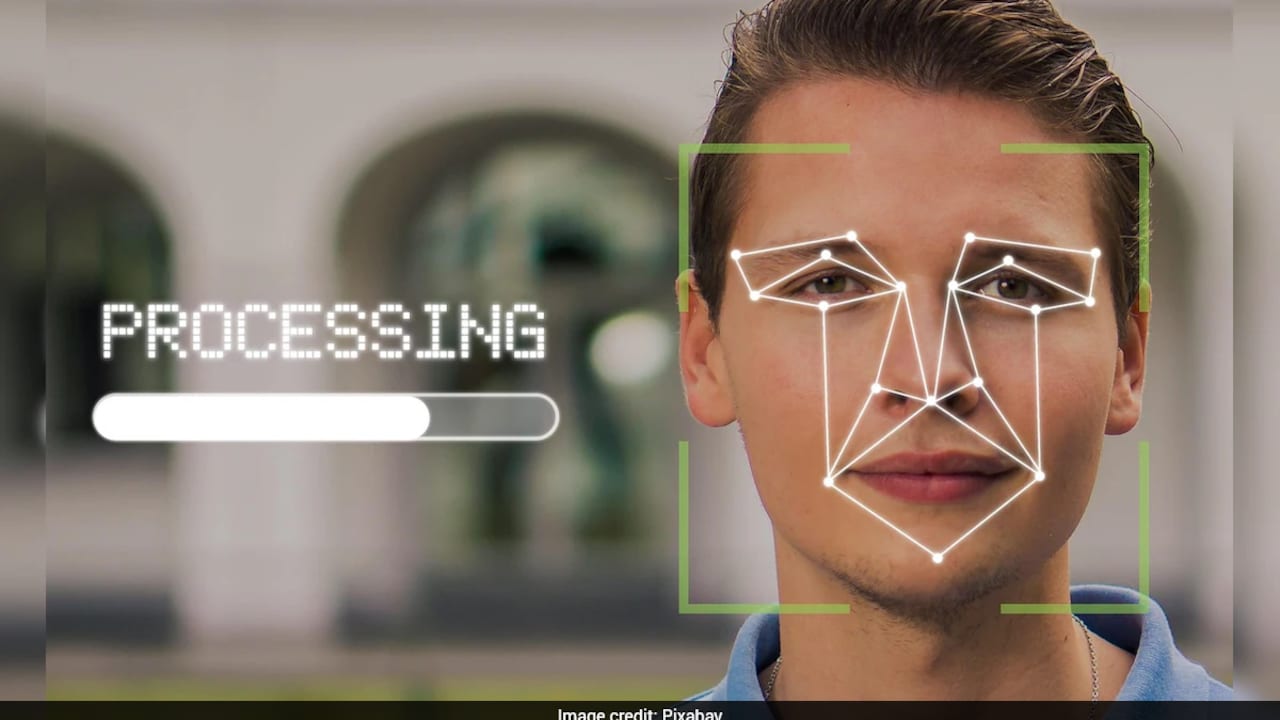
You step onto a city bus, swipe your pass, and grab a seat. It is a completely mundane, everyday routine. But in Kansas City, Missouri, that simple morning commute is turning into a high-tech dragnet. Transit officials there are quiet about the delays, but they are loud about their intentions. They want to put live facial recognition on public buses.
It is a bad idea.
The Kansas City Transportation Authority planned to roll out AI-powered facial recognition cameras on a handful of municipal buses. They originally aimed to have them running in time for the major international soccer matches taking over the city. That deadline missed its mark. A messy mix of technical infrastructure failures and a sudden loss of state funding forced a pause. Missouri state officials looked at the plan, flagged the obvious privacy violations, and pulled their financial support.
Yet local transit leaders are doubling down. They are using local and federal dollars to expand the program from nine pilot vehicles to as many as 30 buses. This is not just a localized test case. It is a massive litmus test for how much surveillance everyday citizens will tolerate in public spaces.
The High Cost of the Digital Dragnet
Public transit relies on anonymity. You buy a ticket, ride to your destination, and go about your day. Live tracking changes that dynamic entirely. The technology provided by Tennessee-based company SafeSpace Global matches your face against watchlists in real-time. The company built its business by monitoring nursing home residents and inmates in correctional facilities. Now, they want to treat bus passengers like prisoners.
Transit officials claim the system only scans for banned riders, missing persons, or individuals on law enforcement watchlists. They say if there is no match, the data vanishes.
Don't buy it.
Even if the facial data isn't stored permanently, the system still scans every single human being who walks through those doors. You become a suspect the moment you step on board. Security experts have warned for years that this kind of live monitoring has a chilling effect on public life. People change how they act when they know a machine is actively scoring their face against a database of criminals.
Why Technical Failures Won't Save Us
The rollout hit a wall because the transit authority needed to upgrade their Wi-Fi routers. They also had to sync the cameras with a new fare collection system. These technical hiccups delayed the launch, forcing the city to deploy 40 extra physical officers to patrol transit centers during the peak summer crowds instead.
Physical policing has its own challenges. But humans possess judgment. AI does not.
When a computer system handles security, a technical glitch becomes a civil rights violation. Look at what happened in Detroit. High-profile lawsuits rocked their police department after facial recognition software misidentified innocent Black residents, leading to wrongful arrests. Multiple independent studies from organizations like the National Institute of Standards and Technology prove these algorithms are inherently biased. They fail significantly more often when analyzing dark skin tones, women, and younger people.
Putting an error-prone algorithm in charge of who gets to ride a public bus is a recipe for disaster. A false match means an innocent commuter gets kicked off their ride, confronted by security, or worse. Public transit is an essential service for lower-income communities and minority populations. These are the exact groups most likely to be misidentified by flawed software.
The Myth of Smooth Technology Transitions
Proponents of transit surveillance argue that we already have cameras everywhere. They claim this is just a natural upgrade. They say people will get used to it and realize it doesn't feel any different.
That argument is lazy.
There is a massive structural difference between a passive recording device and an active biometric scanner. A traditional security camera records video footage to a hard drive. It sits there. Nobody looks at it unless a crime occurs. If someone steals a wallet, investigators pull the tape. It is a retrospective investigative tool.
Live facial recognition is a proactive dragnet. It uses algorithms to break your face down into a mathematical map. It checks that map against a government database before you even find a seat. It turns a public service into a checkpoint. If we accept this on buses, it spreads to trains. Then it spreads to public sidewalks, parks, and libraries. The boundary between public space and total surveillance completely disappears.
How to Fight Back Against Transit Surveillance
You do not have to accept this as inevitable. Cities across the country have successfully pushed back against municipal biometric tracking. San Francisco, Boston, and Oakland passed sweeping bans on government use of facial recognition years ago. They realized the safety claims did not justify the loss of fundamental liberty.
If you want to protect your local community from becoming a testing ground for tech companies, you need to take action.
First, demand absolute transparency from your local transit authority. Attend city council meetings and ask hard questions about funding sources. Kansas City lost state funding because citizens and state lawmakers raised hell about privacy. Federal and local funds should not be used as a loophole to bypass public consent.
Second, push for local ordinances modeled after successful legislation in cities like Berkeley. These laws do not just ban the purchase of facial recognition software. They make it illegal for city employees to access or use any information derived from biometric tracking, regardless of where it came from. This stops agencies from outsourcing their surveillance to private third-party vendors.
Support transit driver unions too. Bus drivers are on the front lines of these changes. They know that introducing hostile, automated policing tools degrades the relationship between transit workers and riders. Security comes from investment in infrastructure, better lighting, and trained personnel, not from algorithmic checkpoints.
The delay in Kansas City shows that the expansion of surveillance state tools is not seamless. It can be stopped. It requires funding, infrastructure, and public silence to succeed. Deny them the silence.