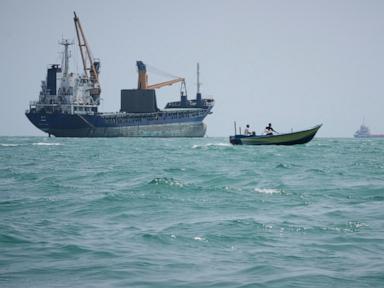
The headlines are screaming about Tehran drawing a line in the water, threatening a new restricted zone just outside the Strait of Hormuz. Financial analysts are hyperventilating, energy traders are pricing in perpetual panic, and mainstream commentators are treating this as an unprecedented escalation in naval chokeholds.
They are missing the entire point.
The lazy consensus treats Iran’s upcoming "restricted zone" declaration as an offensive expansion of military power—a sudden, aggressive tightening of the throat on global energy supplies. That framing is fundamentally backwards. Tehran isn't expanding its footprint because it is winning an offensive chess match; it is institutionalizing a defensive toll booth because the old architecture of international maritime law in the Persian Gulf is already dead and buried.
Look at the mechanics. Mohsen Rezaei, secretary of Iran's Supreme National Security Council, notes that this proposed zone begins precisely where the US Navy’s blockade line starts. Read that again. It is a mirror image, not an original assault. Washington has spent months trying to strangle Iranian oil exports at the dock, and the US military has maintained a suffocating cordon. When you choke a nation's ports, you forfeit the moral and legal high ground of demanding open, frictionless transit through your front yard.
The Choke Point Myth
Let’s define terms precisely. We keep hearing that a fifth of the world's oil supply transits this narrow waterway. That statistic is weaponized daily to induce terror in Western markets. But shipping data firms like Kpler and TankerTrackers tell a far more cynical story: commercial traffic didn't halt because Iran suddenly mastered futuristic anti-ship missiles overnight; it dropped because underwriters, insurers, and risk-addled corporate boards panicked the moment Washington and Tehran traded blows over tanker routes.
When the US Central Command strikes three Iranian oil tankers near Kharg Island, and the Revolutionary Guard returns fire against unauthorized vessels, the traditional concept of freedom of navigation evaporates. It ceases to be an international highway and becomes a contested combat zone.
Imagine a scenario where a highway is pelted daily with sniper fire from both the local police and an insurgent militia. You don't call complaining that cars aren't driving fast enough; you recognize that the road is closed. Yet, mainstream desks write about Iran’s "exclusion zone" as if it violates some pristine, functioning global order. That order was smashed the day the first warship opened fire.
The Omani Corridor Reality
Pay attention to what is actually being signed behind closed doors, not just the bombastic state TV soundbites. Tehran is working out shipping-route maps directly with Oman. They are cutting a bilateral deal to manage a controlled international corridor through Omani and Iranian waters.
This is the hidden nuance everyone misses. Iran isn't trying to permanently seal the Gulf to absolute zero—that would crush their own localized trade networks and alienate regional partners. Instead, they are attempting to legally institutionalize a tiered permit system. If you play ball with their alignment, use the Omani-managed corridor, and bypass the US blockade parameters, you pass. If you attempt to run Washington’s gauntlet without clearing Tehran’s ledger, you land on the sanctions list.
It is decentralized sovereignty in real time. Iran is drafting a parallel legal reality because the Western-backed maritime architecture failed to protect their tankers in the first place.
The Energy Market Hallucination
Energy secretary pronouncements claim millions of barrels are still flowing safely thanks to US naval escorts. This is corporate and political gaslighting. Escorting a battered tanker through a war zone with twenty destroyers isn't normal market function; it is a wartime convoy system reminiscent of 1942 submarine alleys.
The cost of insurance, the risk premiums, and the sheer logistical friction mean that cheap, efficient global energy transit through Hormuz is gone for the foreseeable future. Brent crude hovering near triple digits isn't a temporary spike caused by a single speech from Tehran; it is the permanent tax of a fragmented Middle East.
Stop looking at Iran's restricted zone as a tactical surprise. It is the new baseline. The sooner markets stop pricing the Persian Gulf like a peaceful suburban turnpike, the sooner everyone can stop acting surprised when the toll collector demands to see your papers.