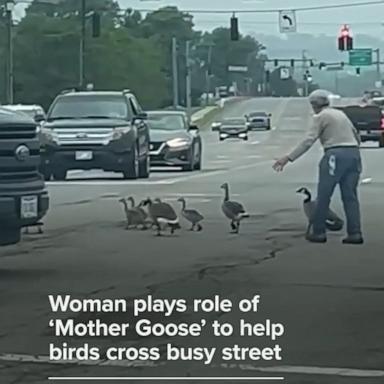
Viral videos usually capture chaos. Every now and then, they capture something that makes you pull over, look at your screen, and smile. That is exactly what happened when a woman stepped into the middle of a busy street to play the role of a real life Mother Goose. She stopped a long line of cars just to help a family of birds cross the road safely.
It sounds simple. Maybe even a little trivial. But the massive response to this moment shows it hit a nerve. People are desperate for good news. Watching someone take a personal risk for vulnerable wildlife resonates deeply.
There is an art to handling these situations. Most people panic. They do the wrong thing. They end up causing an accident or injuring the very animals they want to save. Let's break down what actually happened, why it matters, and how you should handle a wildlife traffic jam without getting hurt.
The Viral Mother Goose Moment That Paused A Busy Street
The video itself is pure, unfiltered human kindness. Traffic is moving. The road is busy. Suddenly, a woman notices a family of birds stuck on the curb, terrified of the passing vehicles. Instead of driving by like everyone else, she steps out. She uses her hands to signal oncoming traffic, creating a safe zone.
She coaxes the birds. She guides them step by step. Drivers stop. No one honks. For a few brief moments, the frantic pace of commuting grinds to a halt for a handful of feathered pedestrians.
This works because it shows a rare flash of collective empathy. We spend so much time insulated in our metal boxes on the highway, viewing the world as an obstacle course. This woman broke that spell. She forced everyone to pause, look down, and recognize a fragile life.
The Hidden Danger Of Playing Traffic Cop For Wildlife
Look, what this woman did was beautiful. It really was. But as an expert who looks at animal rescue logistics, I have to give you a reality check. Doing this is incredibly dangerous.
Every year, well-meaning people get seriously injured or killed trying to rescue animals on active roadways. According to data from agencies like the National Highway Traffic Safety Administration, unexpected stops and pedestrians on highways are leading causes of severe multi-vehicle accidents.
You cannot assume drivers are paying attention. Distracted driving is at an all-time high. A driver glancing at a phone will not see you standing there waving your arms until it is too late. If you decide to step into the street to help wildlife, you are taking your life into your own hands.
How To Safely Guide Birds Across The Road
If you find yourself in a situation where a flock of birds or a family of ducks is trying to navigate a dangerous crossing, you need a plan. Do not just run into the lanes. Follow a specific protocol to keep yourself and the animals safe.
Assess the Speed and Volume of Traffic
If you are on a high-speed interstate, stay in your car. Period. Call local authorities or highway patrol. Stepping onto a highway with vehicles traveling at 70 miles per hour is a suicide mission. Animal lives matter, but your life matters more.
Make Yourself Visibly Obvious
If you are on a slower residential or commercial street where it is safe to intervene, maximize your visibility. Turn on your vehicle's hazard lights before you get out. If you have a bright jacket or a reflective vest in your trunk, put it on. You want drivers to see you from hundreds of feet away.
Never Corner the Animals
Birds panic easily. If you approach them too aggressively, they might scatter back into the path of oncoming traffic. Approach them from behind and guide them gently toward the direction they were already trying to go. Walk slowly. Use calm, sweeping arm motions.
Use Tools If Available
If you happen to have a broom, a large piece of cardboard, or even a branch, use it to extend your reach. This helps herd the birds effectively without you needing to get too close to their flapping wings or territorial parents.
What Animal Behaviorists Say About Roadside Rescues
Wildlife experts from organizations like the Audubon Society often remind the public that spring and summer are peak seasons for these encounters. Fledglings are learning to fly. Ducklings are following their mothers to new water sources. They do not understand asphalt.
Geese and ducks are highly habitual. If a nesting site is on one side of a road and their feeding ground is on the other, they will cross that road daily. They do not look both ways.
When you see a mother bird guiding her young, she is already under immense stress. Human intervention can sometimes cause the mother to fly away in fear, leaving the babies stranded on the road. The woman in the viral video succeeded because she kept her distance and focused on blocking the cars rather than grabbing the birds. She acted as a shield, not a captor.
Next Steps When You Encounter Wildlife In Traffic
The next time you see a feathered family stuck on a busy median, do not just react on instinct. Follow these steps to handle it like a pro.
- Pull over safely. Park your car completely off the road and turn on your hazard lights immediately to warn drivers behind you.
- Call for backup. If the road is too dangerous to enter, call local non-emergency police or a wildlife rescue group. They have the gear and training to manage traffic.
- Signal drivers early. If you must step out on a slow street, stand on the shoulder and wave down oncoming cars before you walk into the lane. Give them time to brake.
- Keep it moving. Once the birds start crossing, keep guiding them until they are completely clear of the curb and into a safe, grassy area. Do not stop to take a selfie mid-rescue.
Acting like Mother Goose is noble, but acting smart keeps everyone alive to chirp about it later. Keep your eyes on the road, watch out for the little guys, and always prioritize safety over a viral moment.


