A wall of ice, rock, and water tore down the Lhende-Bhote Koshi-Trishuli river system on a devastating Wednesday, altering the landscape of Nepal's hydropower corridor forever. Weeks later, the real nightmare persists underground. Hundreds of workers remain trapped or uncontactable inside pitch-black, mud-choked tunnels across multiple project sites in Rasuwa and Nuwakot.
If you look at mainstream headlines, you might think this is a localized search operation with a clear endpoint. It isn't. The ongoing crisis at the Upper Trishuli project sites exposes the brutal engineering limits of disaster response when nature seals modern infrastructure like a tomb.
The Brutal Reality Inside the Choked Tunnels
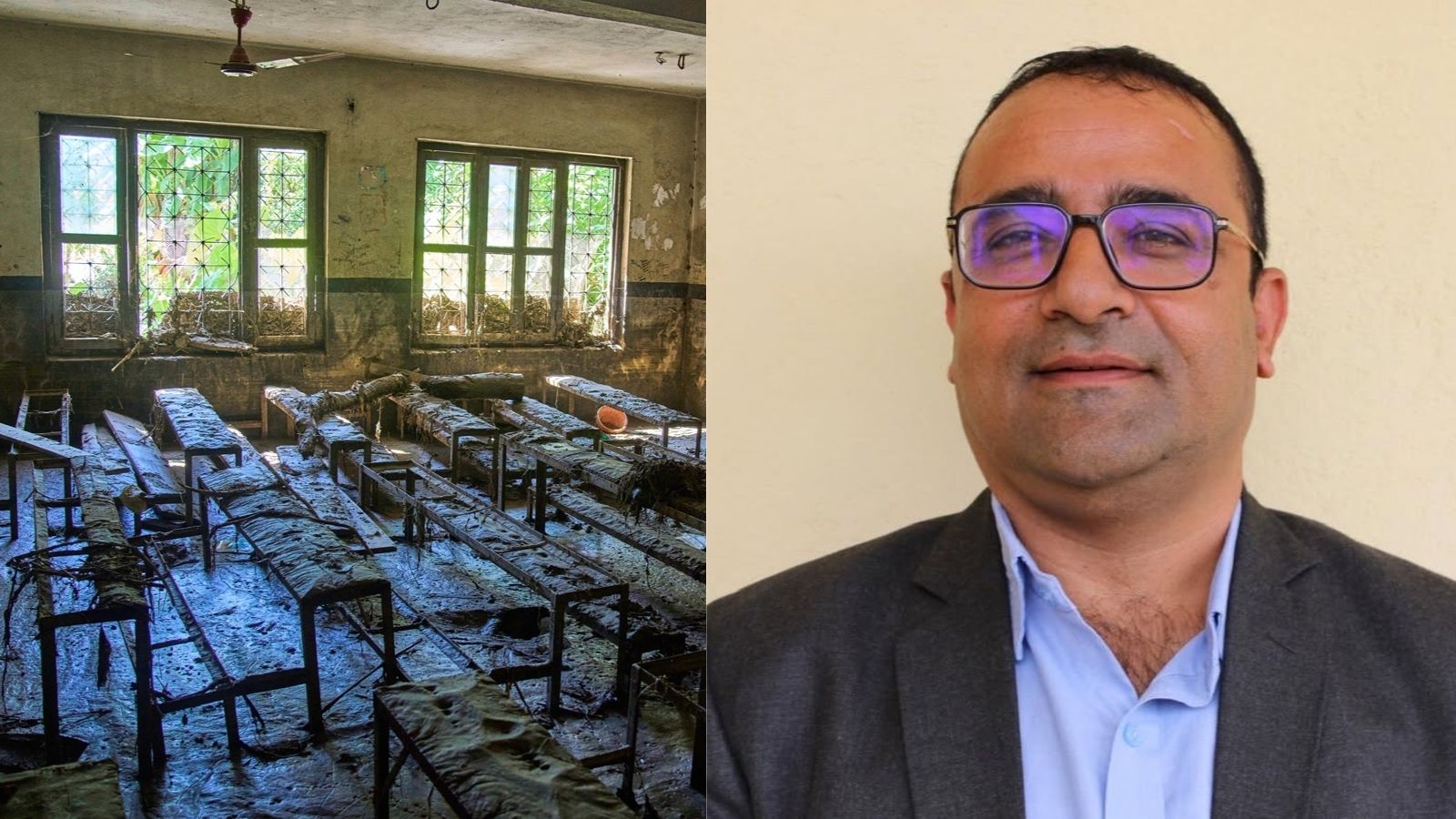
When flash floods hit, they didn't just wash away surface roads and bridges. They slammed directly into under-construction dams and active powerhouses, pushing massive walls of debris 10 to 12 feet high straight into tunnel entrances.
At the 60 MW Upper Trishuli-3A project in Nuwakot, technical personnel performing an overhaul of the underground powerhouse found themselves cut off instantly. Similar crises unfolded at the massive 216 MW Upper Trishuli-1 project and surrounding sites. Survivors like Ajay Choudhury, a quality-control engineer who narrowly escaped, described sprinting for higher ground as a wall of water overtook the site in less than a minute. Many others weren't as lucky. The tunnels shut tight, trapping domestic and international workers alike.
Most people assume rescue teams can simply walk inside with flashlights. They can't. The internal conditions resemble a collapsed mine mixed with an underwater cave.
Why Traditional Rescue Methods Fail Here
Standard emergency response playbooks fall apart in these conditions. The obstacles facing the joint security forces, the Nepali Army, and specialized engineering units are immense:
- Impenetrable Sludge: Chest-deep or wall-to-wall mud completely blocks interior passages, stopping even elite mountaineers and tactical teams within meters.
- Zero Visibility and Air Quality: Power is completely severed. Rescuers must drill crown holes from above, feeding air pipes and cameras down before personnel can risk entry.
- Secondary Collapse Risks: Controlled blasting and heavy excavation equipment are mandatory just to widen a tiny 2-by-3-foot opening into the buried structures, risking further shifts in the rubble.
This is why international backing became necessary.
Global Expertise Meets Himalayan Disaster Zones
Nepal didn't face this alone. Recognizing the technical scale of underground blockages, authorities mobilized cross-border aid. Specialized Indian medical and tunnel engineering teams arrived via relief flights to conduct aerial reconnaissance and on-site assessments of blocked corridors. Concurrently, Chinese technical expert teams arrived by helicopter to coordinate structural feasibility assessments at sites like Upper Trishuli-3B.
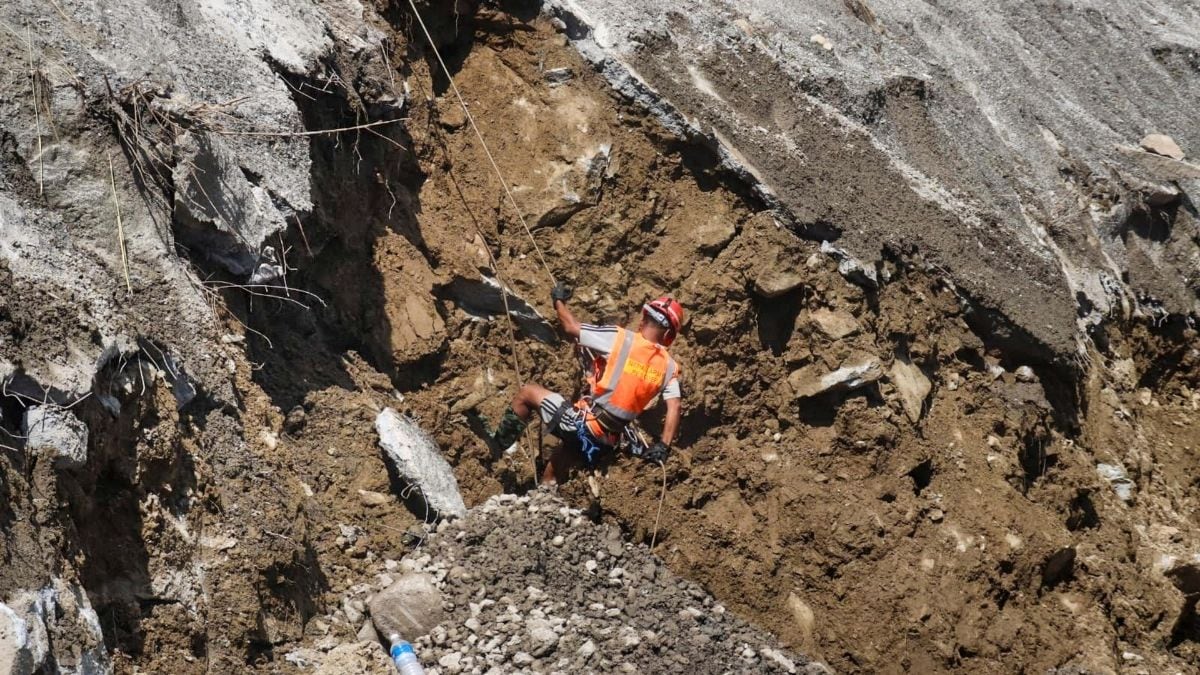
Perhaps the most unique tactical deployment involved elite mountain guides—veterans of Everest expeditions skilled in rope-fixing and technical terrain navigation. When conventional machinery couldn't reach isolated pockets, these mountaineers used longline helicopter operations to access choked portals. They pushed hundreds of meters into unstable passages until thick sludge physically halted their advance.
Rescuers have managed to pull survivors and clear initial entry points through relentless around-the-clock drilling, blasting, and heavy lifting. Yet, hundreds of workers remain unaccounted for across the wider river basin.
Families waiting at central utility offices demand faster answers, but underground recovery operates on a punishing timeline dictated by physics, fluid dynamics, and cubic tons of rock. Heavy equipment must keep clearing the muck inch by inch, balancing the race against time with the safety of the rescue crews themselves.