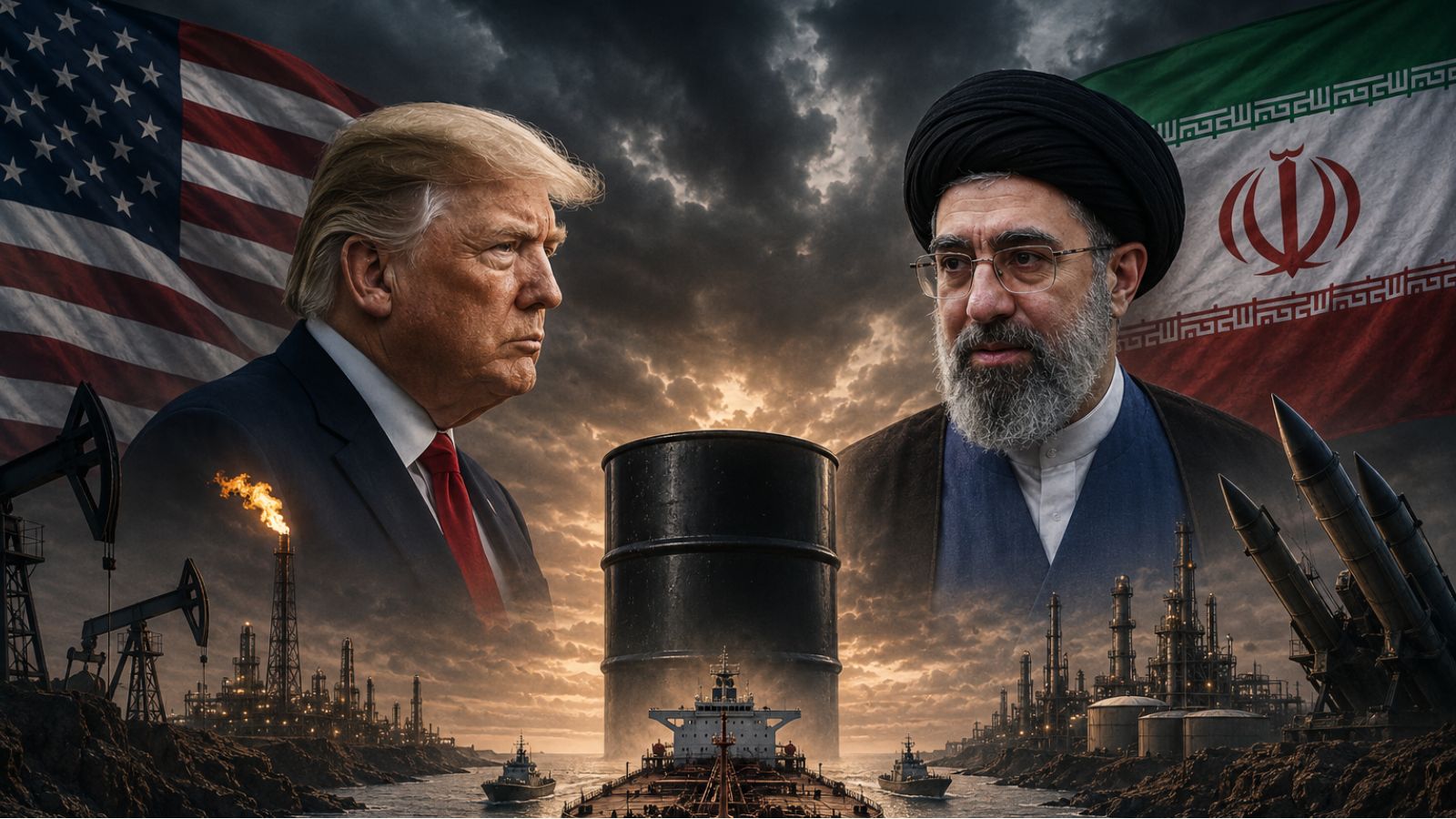
The mainstream narrative loves a clean, Hollywood-style script. Tehran pitches a tollbooth on the world's most critical oil choke point, Muscat politely whispers no, and the West breathes a sigh of relief. Standard geopolitical reporting treats Oman's quiet refusal as a diplomatic victory for international law and a total defeat for the Islamic Revolutionary Guard Corps.
It is a comforting illusion. And it is entirely wrong.
Focusing on whether Oman signed a revenue-sharing agreement misses the real structural shift happening underneath the surface of the Persian Gulf. The debate over administrative service fees is a red herring. The physical reality of the Strait of Hormuz has already changed permanently, and bureaucratic stamps on a piece of paper in Muscat or Tehran will not put the energy genie back in the bottle.
The Myth of the Unbroken International Waterway
For decades, energy analysts operated under a lazy consensus: international law guarantees freedom of navigation, meaning a chokepoint like Hormuz is a static highway that can never be monetized or effectively gated. I have watched corporate strategists and shipping executives blow millions of dollars treating maritime transit as a fixed utility rather than a contested geopolitical asset.
When the IRGC claimed a deal had been struck to carve up waters and collect environmental service fees, Washington panicked and the press corps treated it as an existential threat to free trade. When Oman quietly backed away from endorsing those specific charges, markets relaxed.
This binary reaction displays a profound misunderstanding of how power actually flows through maritime corridors. Oman does not need to sign an explicit revenue-sharing deal with Tehran for Iran to project de facto authority over the channel. The physical capability to disrupt tanker traffic trumps legalistic UN conventions every single day of the week.
Imagine a scenario where a tanker captain has to choose between paying an unofficial, indirect surcharge bundled into security costs or facing unidentified floating hazards and indefinite insurance lockouts. Do you think the corporate board in Houston or Rotterdam cares whether the receipt bears an Omani stamp or an Iranian seal? They care about hull insurance rates and cargo delivery timelines.
Stripping Away the Bureaucratic Theater
Let us look at the structural mechanics of what is actually happening. Iran has weaponized uncertainty. By turning a critical trade artery into a high-risk zone, Tehran doesn't need a formal tollbooth to extract economic rent. The mere existence of conflict risk shifts freight rates, spikes war risk premia, and forces structural adjustments across global energy curves.
Oman’s refusal to publicly partner on fee collection is an act of diplomatic self-preservation, not a strategic defiance of Iranian leverage. Muscat plays the ultimate neutral broker in the Gulf; its entire foreign policy playbook relies on smiling at Washington while avoiding a direct cross-border collision with its massive northern neighbor. By quietly declining the joint fee structure, Oman protects its mediator status without altering the ground reality: the northern shipping lanes remain under the shadow of Iranian military reach.
The fatal flaw in standard market commentary is assuming that diplomatic pushback equals operational rollback. A press release from Muscat stating that environmental service fees were rejected does not clear a single mine, nor does it lower insurance premiums for supertankers navigating the narrow channels.
The Uncomfortable Truth About Choke Point Economics
If you want to understand future energy volatility, stop reading diplomatic communiqués and start tracking vessel behavioral changes. Shippers are already adapting to a fragmented Gulf. The old era of frictionless, open-access transit through Hormuz is dead.
The contrarian truth is that some form of friction—whether called a transit fee, a security surcharge, or simply the cost of naval escorts—is becoming a permanent structural tax on global commerce. Iran has successfully demonstrated that the cost of enforcement for the United States and its allies is exceptionally high, while the cost of disruption for Tehran is manageable through asymmetric pressure.
Oman's rejection of the paperwork is a sideshow. The main event is that the architecture of global energy transport has been permanently fractured, and no amount of diplomatic wishful thinking will restore the 20th-century status quo.
Stop waiting for a formal treaty to tell you how to price risk. The risk is already here.
Iran, Oman Near Interim Hormuz Shipping Deal, Iran Seeks 5-7% Transit Fee From Ships
This video provides essential background on the mechanics of the proposed transit fees and the structural negotiations shaping maritime traffic through the strait.